
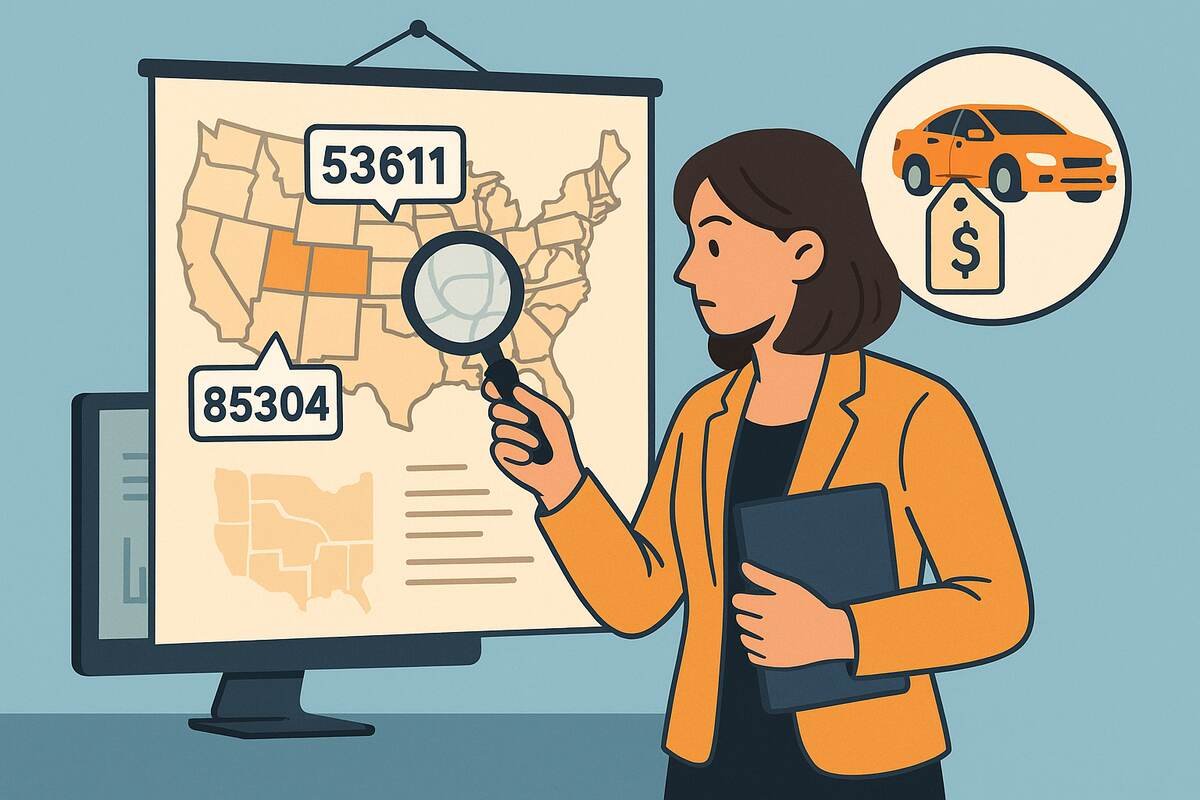

Two Drivers, Same Car — Completely Different Insurance Bills
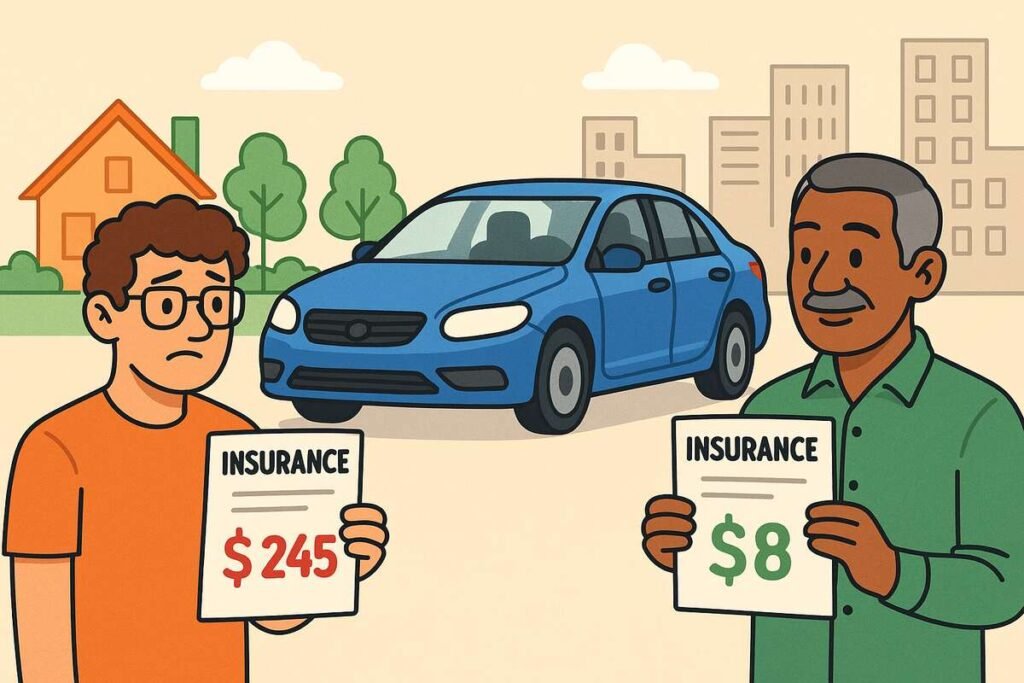
Zip Code Car Insurance Costs can vary wildly, even for drivers with identical cars, clean records, and the same coverage limits. One person may pay hundreds more each year simply because of where they live. It feels unfair, but in 2026 your ZIP code is one of the strongest predictors of your premium.
Insurers don’t guess when they price policies; they analyze massive datasets down to the neighborhood level. Traffic density, accident rates, theft stats, weather patterns, and local repair costs all play a role.
According to a 2024 Insurance Information Institute analysis, location-based factors can account for up to 40% of your total auto insurance premium. Understanding how your ZIP code affects pricing gives you real power to reduce costs.
This guide explains why location matters, what insurers evaluate in your area, and how to lower your premium, even in a high-cost ZIP code.
Why Car Insurance Is Priced by ZIP Code
Insurance is built on risk prediction. Your ZIP code helps insurers estimate how likely you are to file a claim regardless of how good a driver you are.
What Insurers Analyze by Location
- Accident frequency in your area
- Vehicle theft rates
- Population density and traffic congestion
- Weather and natural disaster risk
- Cost of medical care and repairs
- Claim fraud rates
Example: Drivers in dense urban neighborhoods typically face higher premiums than rural drivers due to increased collision and theft risks.
Reference: The Insurance Information Institute explains how insurers use geographic data to price policies accurately.
Takeaway: Your ZIP code tells insurers a lot about your risk before you even start the engine.
1. Traffic Density and Accident Rates
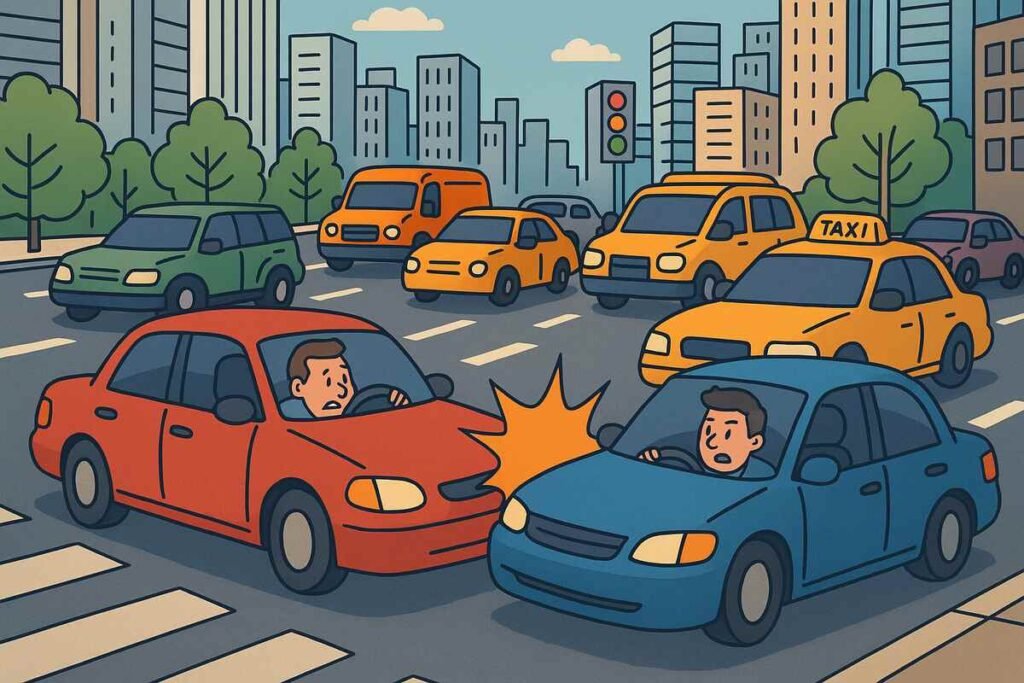
The more cars on the road, the higher the chance of accidents.
Why It Matters
- Congested areas experience more rear-end collisions
- Stop-and-go traffic increases claim frequency
- Intersections in cities see higher crash rates
Example: A commuter in a busy metro area is statistically more likely to be involved in a minor collision than a rural driver, even if both drive cautiously.
Research Insight: Forbes Advisor reports that accident frequency is one of the top contributors to premium differences between urban and rural ZIP codes.
Takeaway: Busy roads = higher insurance risk.
2. Vehicle Theft and Vandalism Rates
Where you park your car matters almost as much as how you drive it.
High-Risk Location Factors
- Dense apartment complexes
- Limited off-street parking
- Areas with higher reported theft claims
- Popular targets for catalytic converter theft
Example: Drivers in neighborhoods with high theft statistics often pay more for comprehensive coverage.
Reference: The National Insurance Crime Bureau publishes annual vehicle theft trends that directly influence insurance pricing.
Takeaway: Insurers price theft risk into your premium automatically.
3. Weather Patterns and Natural Disaster Risk
Mother Nature has a direct impact on car insurance rates.
Location-Based Weather Risks
- Flood-prone regions
- Hail-heavy areas
- Snow and ice frequency
- Extreme heat damaging vehicles
Example: Drivers in hail-prone regions often see higher comprehensive premiums due to frequent weather-related claims.
Reference: NOAA data is commonly used by insurers to assess climate risk.
Takeaway: Climate risk follows your ZIP code, not your driving habits.
4. Local Repair and Medical Costs
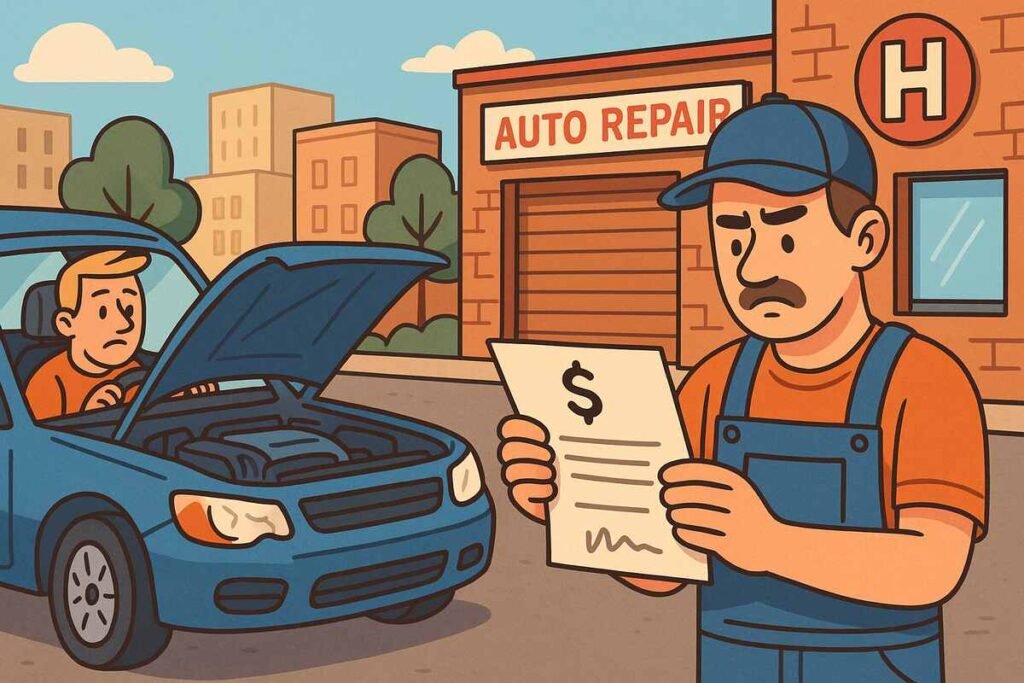
Insurance covers more than just vehicles, it covers people.
Cost Factors by Area
- Labor rates for mechanics
- Availability of specialized repair shops
- Regional healthcare costs
- Legal and liability claim expenses
Example: A minor accident may cost far more to repair in a high-cost metro area than in a small town.
Research Insight: Forbes Advisor notes that medical and repair inflation varies dramatically by region.
Takeaway: Higher local costs = higher insurance payouts.
5. Claim Fraud Rates by Location
Unfortunately, fraud is not evenly distributed.
Why Fraud Raises Premiums
- Staged accidents
- Exaggerated injury claims
- Fake repair invoices
Example: ZIP codes with a history of fraud see higher base premiums to offset insurer losses.
Reference: The Federal Bureau of Investigation estimates insurance fraud costs billions annually — much of it concentrated in specific regions.
Takeaway: Honest drivers sometimes pay more due to local fraud trends.
6. Urban vs Suburban vs Rural ZIP Codes
Location type dramatically influences pricing.
| Area Type | Typical Risk Level | Premium Trend |
|---|---|---|
| Urban | High | Most expensive |
| Suburban | Medium | Moderate |
| Rural | Low | Least expensive |
Example: A driver moving from a downtown ZIP code to a suburban one often sees immediate premium reductions.
Takeaway: Density matters.
Real-Life Example: Same Driver, Different ZIP Code
After relocating just 15 miles outside the city, Marcus updated his address with his insurer.
Results:
- Same car
- Same coverage
- Same driving history
Annual premium dropped by $420.
Lesson: ZIP code changes can have immediate financial impact.
What You Can Do If You Live in a High-Cost ZIP Code
You can’t always change where you live, but you can reduce your costs.
Smart Strategies
- Bundle home and auto insurance
- Increase deductibles carefully
- Install anti-theft devices
- Use telematics or usage-based programs
- Compare insurers annually
- Ask about ZIP-specific discounts
Example: Telematics programs often offset location risk by rewarding safe driving.
Takeaway: Location matters, but behavior still helps.
Comparison Table: Location Factors vs What You Control
| Pricing Factor | You Control It? |
|---|---|
| ZIP code | No |
| Local crime rates | No |
| Weather risk | No |
| Driving habits | Yes |
| Mileage | Yes |
| Vehicle safety features | Yes |
Frequently Asked Questions About ZIP Codes & Insurance
1. Can insurers legally charge more by ZIP code?
Yes, it’s allowed in most regions when based on actuarial data.
2. Does moving always change my premium?
Almost always, sometimes significantly.
3. Will updating my address raise my rate immediately?
It can, depending on the new area’s risk profile.
4. Can I shop insurers based on ZIP code differences?
Yes, insurers weigh location differently.
5. Does parking location matter?
Yes, garage parking often reduces theft risk.
Final Thoughts
Your ZIP code plays a major role in determining how much you pay for car insurance, often more than you realize. While you can’t control local traffic or weather, understanding these factors helps you make smarter decisions and find savings opportunities.
If this guide helped you understand how location affects your insurance costs, share it or explore more auto-insurance insights on our blog.