
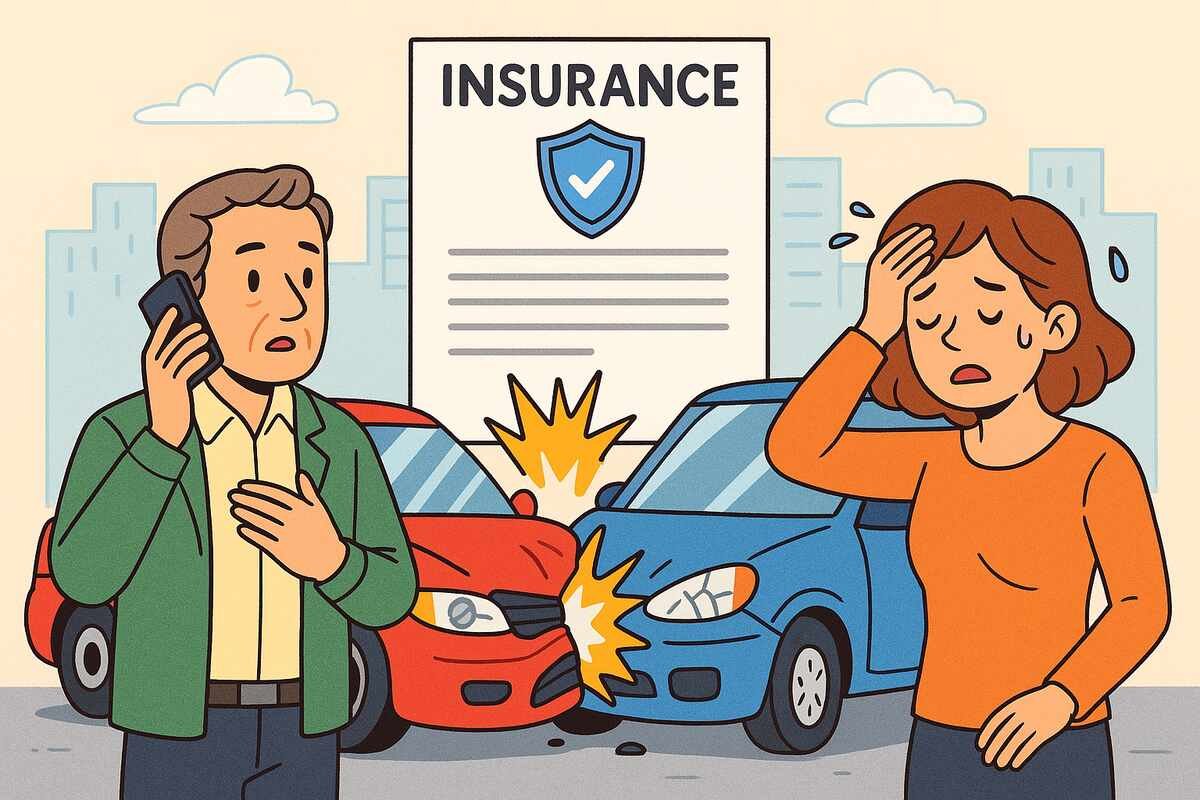

Why Understanding Car Insurance Coverage Matters After an Accident
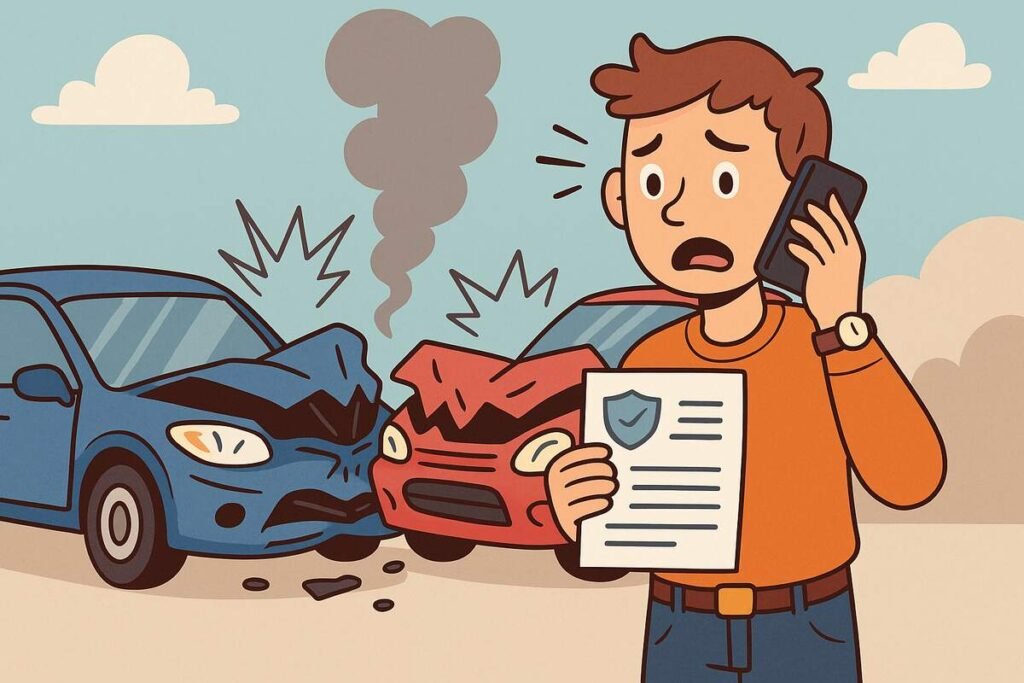
Accidents can happen when you least expect them—whether it’s a minor fender bender or a major collision. In those moments of stress, one of the most common questions drivers ask is, “What does my car insurance actually cover?” Understanding this beforehand can save you time, money, and emotional strain.
According to the Insurance Information Institute, knowing the details of your policy helps ensure you’re prepared for repair costs, medical bills, and liability claims that follow an accident. Let’s break down what car insurance covers after an accident, explain the most important FAQs, and help you make sense of your policy with clarity and confidence.
1. Collision Coverage: Repairing or Replacing Your Vehicle
Collision coverage pays for damage to your vehicle when it’s involved in a crash—whether you hit another car, a tree, or a guardrail.
What it includes:
- Covers repairs or replacement costs if your vehicle is damaged in an accident.
- Applies even if the accident was your fault.
- Often required if you lease or finance your vehicle.
Example: If you rear-end another vehicle and your front bumper is crushed, your collision coverage handles the repair costs (minus your deductible).
Pro Tip: If your car is older and its value is low, it might not be worth maintaining collision coverage.
Takeaway: Collision insurance ensures your vehicle gets back on the road quickly after an accident.
2. Comprehensive Coverage: Beyond Collisions
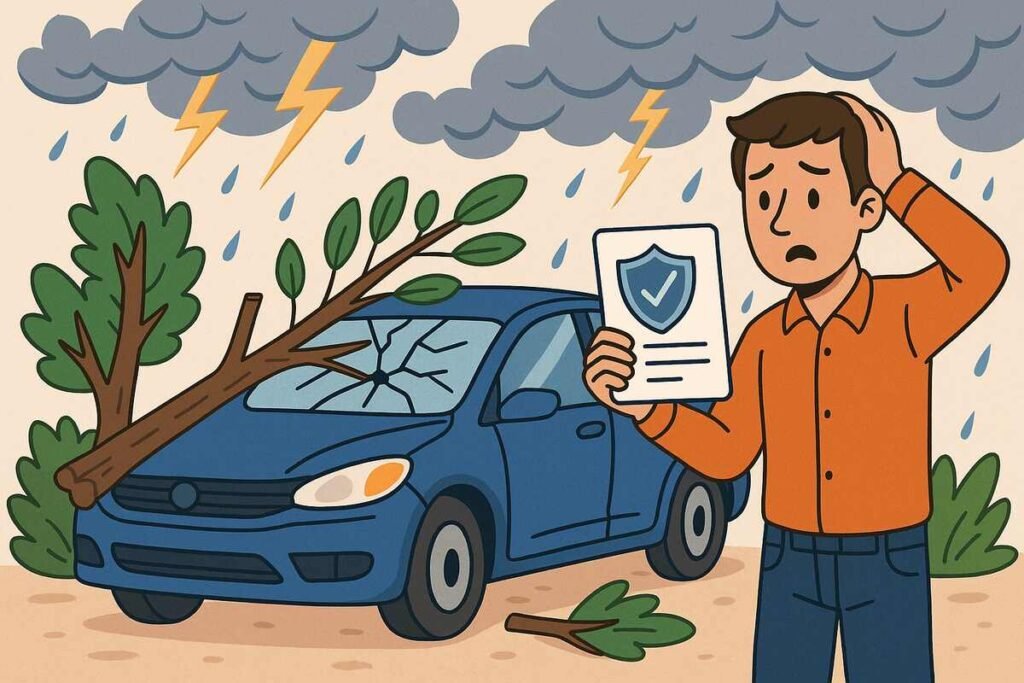
Not all car damage happens on the road. Comprehensive coverage protects your vehicle from non-collision-related incidents.
What it covers:
- Theft or vandalism.
- Fire, floods, or falling objects.
- Animal collisions (like hitting a deer).
- Natural disasters or severe weather damage.
Example: If a storm drops a tree branch on your parked car, comprehensive insurance pays for repairs.
According to Progressive, comprehensive claims are some of the most common—especially in areas prone to extreme weather.
Takeaway: Comprehensive coverage protects against life’s unpredictable (and costly) surprises.
3. Liability Coverage: Protecting Others From Your Mistakes
Liability coverage is the foundation of every car insurance policy. It covers other people’s expenses if you’re at fault in an accident.
Two main parts:
- Bodily injury liability: Covers medical costs, lost wages, and legal fees if others are injured.
- Property damage liability: Covers repair or replacement of the other person’s vehicle or property.
Example: You accidentally sideswipe another car. Liability insurance pays for their repair and medical bills—up to your policy limits.
Pro Insight: The National Association of Insurance Commissioners (NAIC) recommends carrying higher liability limits than state minimums for better protection.
Takeaway: Liability coverage protects your finances and ensures others receive fair compensation.
4. Personal Injury Protection (PIP) and Medical Payments Coverage
Even if you’re at fault, PIP and MedPay help cover your medical expenses after an accident.
Key differences:
- PIP: Covers medical bills, lost wages, and sometimes essential services (like childcare) for you and passengers.
- MedPay: Covers medical costs only, regardless of fault.
Example: If you break your arm in a crash, PIP helps pay your hospital bills and compensates for missed workdays.
Important Note: PIP is required in some states (like Florida and New York), while MedPay is optional in others.
Takeaway: These coverages offer peace of mind by ensuring quick access to healthcare after an accident.
5. Uninsured and Underinsured Motorist Coverage
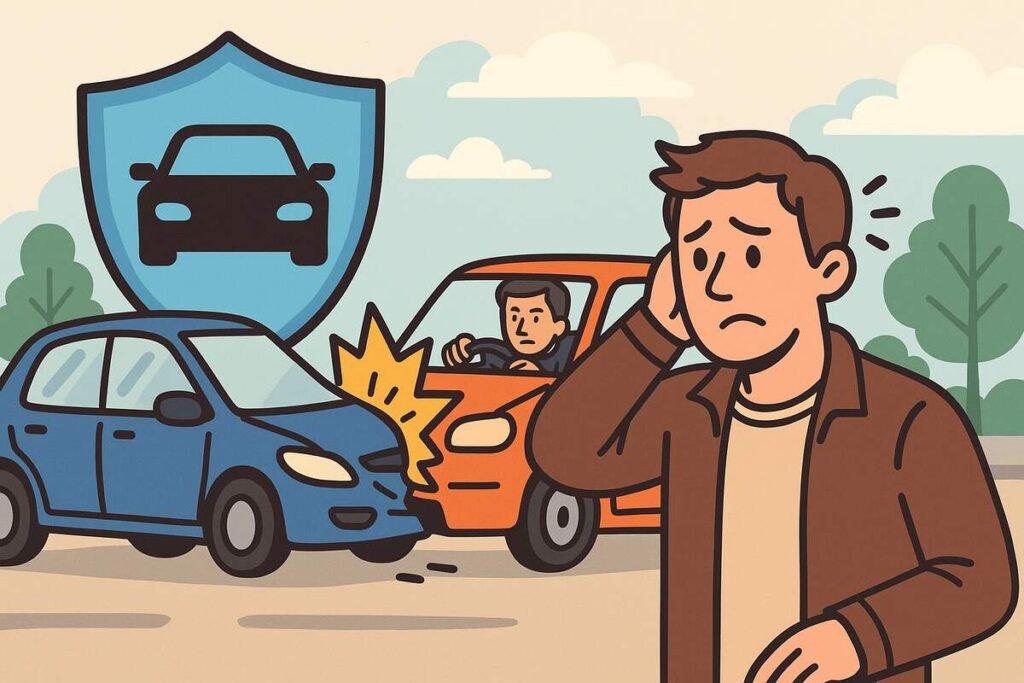
Unfortunately, not all drivers carry adequate insurance. Uninsured and underinsured motorist (UM/UIM) coverage steps in when the at-fault driver lacks sufficient coverage.
How it helps:
- Pays for medical expenses if the other driver is uninsured.
- Covers repairs to your vehicle when the at-fault driver’s coverage is insufficient.
- Often bundled together in most policies.
Example: You’re hit by someone with no insurance. Your UM/UIM coverage covers your injuries and car repairs.
According to Forbes Advisor, around 1 in 8 U.S. drivers are uninsured, making this protection crucial.
Takeaway: UM/UIM coverage prevents you from paying for someone else’s negligence.
6. Rental Reimbursement and Roadside Assistance
These optional add-ons can make life easier immediately after an accident.
Rental reimbursement: Covers the cost of a rental car while your vehicle is being repaired.
Roadside assistance: Provides towing, jump-starts, and lockout services.
Example: If your car is in the shop for a week after an accident, rental reimbursement covers your temporary transportation costs.
Takeaway: Small add-ons can provide big convenience during stressful situations.
Real-Life Scenario: How Coverage Works Together
Let’s say you’re driving to work and accidentally hit another car at an intersection. Here’s how your insurance would typically respond:
- Your liability coverage pays for the other driver’s car repairs and hospital bills.
- Your collision coverage pays for your vehicle’s damage.
- Your PIP covers your medical expenses and missed workdays.
- Your rental reimbursement provides a temporary car while yours is repaired.
Each coverage type plays a role, ensuring that you and others are protected financially.
Comparison Table: Key Coverage Types After an Accident
| Coverage Type | What It Covers | Required? | Example |
|---|---|---|---|
| Collision | Damage to your car from a crash | Optional | Hitting another vehicle |
| Comprehensive | Non-collision damage | Optional | Theft, hail, animal strikes |
| Liability | Other people’s injuries and property | Required in all states | Causing an accident |
| PIP / MedPay | Your and passengers’ medical costs | Depends on state | Hospital bills after crash |
| UM / UIM | Damage by uninsured drivers | Optional but recommended | Hit by uninsured driver |
| Rental / Roadside | Convenience services | Optional | Rental car after repair |
Frequently Asked Questions About Car Insurance Coverage After an Accident
1. Will my insurance rates go up after an accident?
Yes, if you’re found at fault. However, accident forgiveness programs may prevent your first claim from affecting rates.
2. How soon should I file a claim?
As soon as possible—preferably within 24 hours—to avoid delays in coverage.
3. What if both drivers are at fault?
In some states, insurance is distributed proportionally based on shared responsibility.
4. Does car insurance cover rental cars?
Only if you’ve added rental reimbursement to your policy.
5. Can I choose my repair shop?
Usually yes, though some insurers have preferred networks with faster turnaround times.
Expert Tips: Making the Most of Your Coverage
- Know your deductible: Understand what you’ll owe before coverage applies.
- Document everything: Take photos and gather witness info at the scene.
- Review your policy yearly: Update coverage as your car’s value and lifestyle change.
- Consider higher liability limits: Extra protection can prevent long-term financial loss.
- Bundle policies: Combining auto and home insurance often reduces overall costs.
Final Thoughts
After an accident, clarity is your best ally. Understanding what car insurance covers after an accident helps you navigate claims confidently, avoid hidden costs, and get back on the road faster.
From collision and liability to PIP and uninsured motorist coverage, each part of your policy plays a critical role in protecting you, your passengers, and your finances. The key is preparation—knowing exactly what your policy includes before you need it.
If this article clarified your understanding of car insurance coverage, share it with your friends and family—and explore more insurance insights on our blog.