


The Smart Driver’s Guide to Affordable Coverage

In 2025, car insurance rates continue to climb, leaving many drivers wondering how to save without sacrificing the coverage they need. Between rising repair costs, inflation, and more complex vehicle technologies, it’s easy to feel trapped paying high premiums. But here’s the good news: you can lower your auto insurance rates without losing valuable protection if you know where to look.
According to the Insurance Information Institute, the average American driver now spends over $1,700 annually on car insurance. However, smart policy adjustments, safety discounts, and strategic shopping can save hundreds of dollars per year while maintaining peace of mind on the road.
This comprehensive guide breaks down the most effective, proven strategies to reduce your insurance costs while keeping your coverage strong and reliable.
1. Review and Update Your Coverage Regularly
Best for: Drivers who haven’t reviewed their policy in over a year.
Your life changes so should your insurance. Whether you’ve moved, paid off your vehicle, or improved your credit score, these factors can significantly impact your premium.
Key Steps:
- Reassess your coverage limits (liability, collision, comprehensive).
- Remove outdated add-ons, like roadside assistance you may already have through another service.
- Update your mileage especially if you now drive less due to remote work.
Example:
Jessica, who transitioned to remote work in 2023, updated her mileage from 12,000 miles to 6,000 per year. Her insurer reduced her annual premium by $280 without changing her coverage.
Pro Tip: Review your policy every 6–12 months or after any major life change insurers often offer rate adjustments for updated driving habits.
Takeaway: Small updates can yield big savings.
2. Shop Around—Loyalty Doesn’t Always Pay
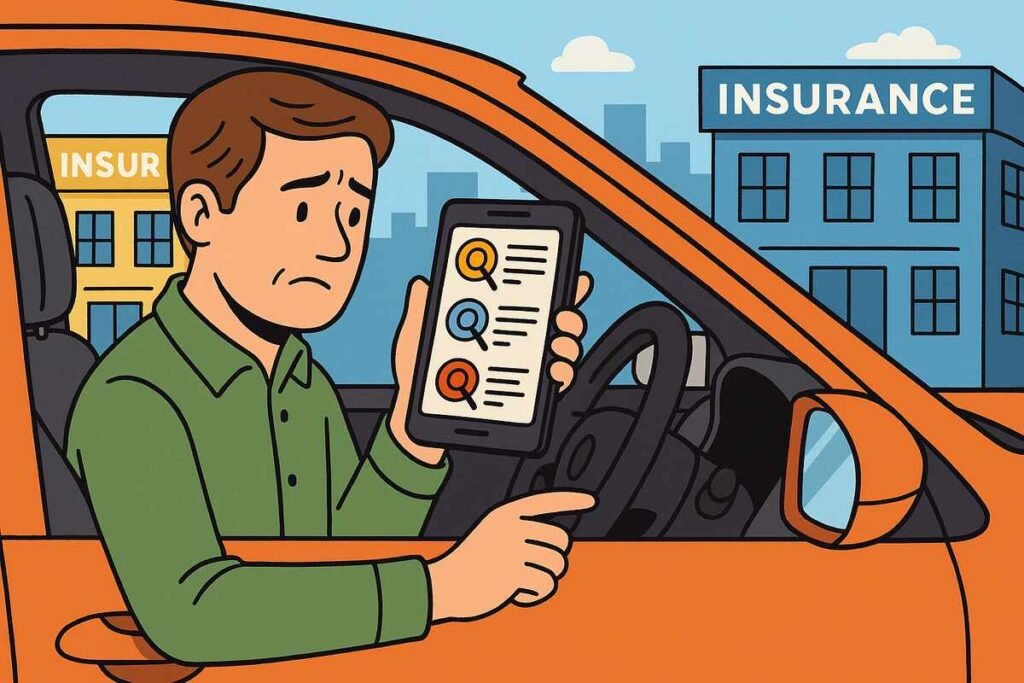
Best for: Drivers who have stayed with the same insurer for several years.
While loyalty discounts exist, sticking with one provider for too long can cost you more. Insurers frequently adjust risk models, and competitors might offer better rates for the same or better protection.
Smart Comparison Platforms:
Example:
Mark had been with his insurer for eight years. By using Policygenius to compare plans, he found a new policy that saved him $420 per year with the same liability and comprehensive limits.
Research Insight: The Consumer Federation of America reports that shopping for new quotes every two years can save drivers up to 20% annually.
Pro Tip: Compare at least three quotes before renewing most comparison tools do this instantly without affecting your credit.
Takeaway: Loyalty is admirable but comparison shopping is profitable.
3. Increase Your Deductible Strategically
Best for: Drivers with a clean record and emergency savings.
Raising your deductible (the amount you pay out of pocket before insurance kicks in) is one of the easiest ways to lower your premium. But it must be done wisely.
Typical Deductible Options:
- $500: Standard choice, moderate premium.
- $1,000: Lower premium best for safe drivers.
- $2,000: Significant savings but ensure you have cash reserves.
Example:
Raising a deductible from $500 to $1,000 can lower premiums by 10–15%, saving up to $200 annually for many drivers.
Pro Tip: Keep your deductible in an emergency fund. That way, you’re financially prepared for unexpected claims.
Research Insight: The National Association of Insurance Commissioners (NAIC) emphasizes balancing deductible savings with financial readiness choosing a deductible you can realistically afford.
Takeaway: A higher deductible saves money if you plan for it responsibly.
4. Take Advantage of Modern Discounts

Best for: Tech-savvy drivers and those with safe driving habits.
Insurance companies now offer dozens of discounts that go beyond the traditional safe-driver reward. Many involve technology or lifestyle changes that signal lower risk.
Common Discounts to Explore:
- Telematics and Usage-Based Programs: Save up to 25% by allowing your insurer to track your driving habits via app or device (e.g., Progressive’s Snapshot, State Farm’s Drive Safe & Save).
- Bundling Policies: Combine home, renter’s, or life insurance for multi-policy savings.
- Safety Features: Discounts for anti-theft devices, ADAS (Advanced Driver Assistance Systems), or hybrid vehicles.
- Good Student or Low Mileage Discounts: Great for young drivers and remote workers.
Example:
Carlos joined Allstate’s Drivewise program and improved his driving habits. After six months, his rate dropped by 18% just for avoiding hard braking and late-night driving.
Pro Tip: Ask your insurer annually about new discounts they frequently add incentives based on technology and driver data.
Research Insight: The Harvard Business Review notes that data-driven discounts are expanding as insurers reward proactive, safe behavior.
Takeaway: Technology can make your driving safer and your premiums lighter.
5. Maintain a Strong Credit Score and Driving Record
Best for: Drivers aiming for long-term savings.
Insurers view both your credit score and driving record as indicators of reliability. Poor credit or past violations can increase your premium significantly.
What Affects Rates Most:
- Traffic violations or DUI offenses.
- Frequent small claims.
- Low credit score (below 650).
Example:
Mia improved her credit score from 640 to 740 and saw her insurance rate drop by 14% within one renewal cycle.
Pro Tip: Avoid filing minor claims that fall close to your deductible it may raise your risk category and future premiums.
Research Insight: The Federal Trade Commission confirms a strong correlation between credit-based insurance scores and claim likelihood making financial discipline a powerful savings tool.
Takeaway: Good habits behind the wheel and with your wallet pay off twice.
6. Bundle and Customize for Maximum Value
Best for: Families or multi-vehicle households.
Bundling multiple policies under one insurer not only simplifies payments but can save between 10% and 25%. Customizing add-ons ensures you pay for only what you truly need.
Examples of Bundling Options:
- Auto + Home or Renters Insurance.
- Auto + Life Insurance.
- Multi-car policies for households with multiple drivers.
Example:
The Peterson family combined their auto and home insurance policies under Progressive. Their total annual premium dropped by $620, plus they gained unified billing and shared discounts.
Pro Tip: Evaluate optional coverages such as gap insurance or rental reimbursement and keep only those relevant to your situation.
Research Insight: The Insurance Research Council (IRC) notes that bundled customers are 25% more likely to stay insured with adequate protection than those managing separate policies.
Takeaway: Bundling simplifies your life and strengthens your coverage value.
Real-Life Story: The Smart Saver’s Strategy
David, a 35-year-old driver, faced rising premiums after upgrading to a hybrid car. By switching insurers through Insurify, joining a telematics program, and increasing his deductible, he reduced his premium by $540 annually while keeping comprehensive coverage and roadside assistance.
Lesson: Saving money doesn’t mean cutting corners it means making informed decisions.
Comparison Table: Smart Ways to Save Without Losing Protection
| Strategy | Average Savings | Risk Level | Best For |
|---|---|---|---|
| Review and update coverage | $150–$300/year | Low | Long-term policyholders |
| Shop around for new quotes | $300–$600/year | Low | Loyal customers |
| Raise deductible | $150–$250/year | Medium | Safe drivers with savings |
| Use telematics or discounts | $200–$500/year | Low | Tech-savvy drivers |
| Bundle policies | $400–$700/year | Very Low | Families or homeowners |
Frequently Asked Questions About Lowering Auto Insurance Rates
1. Can I lower my premium without losing coverage?
Absolutely. Adjust deductibles, remove outdated extras, and use discounts to maintain protection at lower costs.
2. Does changing insurers affect my credit score?
No. Getting quotes doesn’t impact credit, as insurers use soft inquiries for rate comparisons.
3. How often should I compare insurance quotes?
Every 12–18 months or after major life changes like moving, marriage, or buying a new vehicle.
4. Are telematics programs safe for privacy?
Yes. Most programs anonymize data and allow you to opt out at any time. Always review your insurer’s privacy policy.
5. What’s the biggest mistake drivers make when cutting costs?
Reducing essential coverage like liability or uninsured motorist protection. Always prioritize safety first.
Final Thoughts
In 2025, lowering your auto insurance rates doesn’t have to mean taking risks. By reviewing your policy, leveraging discounts, maintaining good credit, and using smart comparison tools, you can keep premiums affordable without losing peace of mind.
Remember, the best savings come from knowledge not compromise.
If this article helped you understand how to reduce your rates safely, share it with other drivers and explore more insurance-saving tips on our blog.