
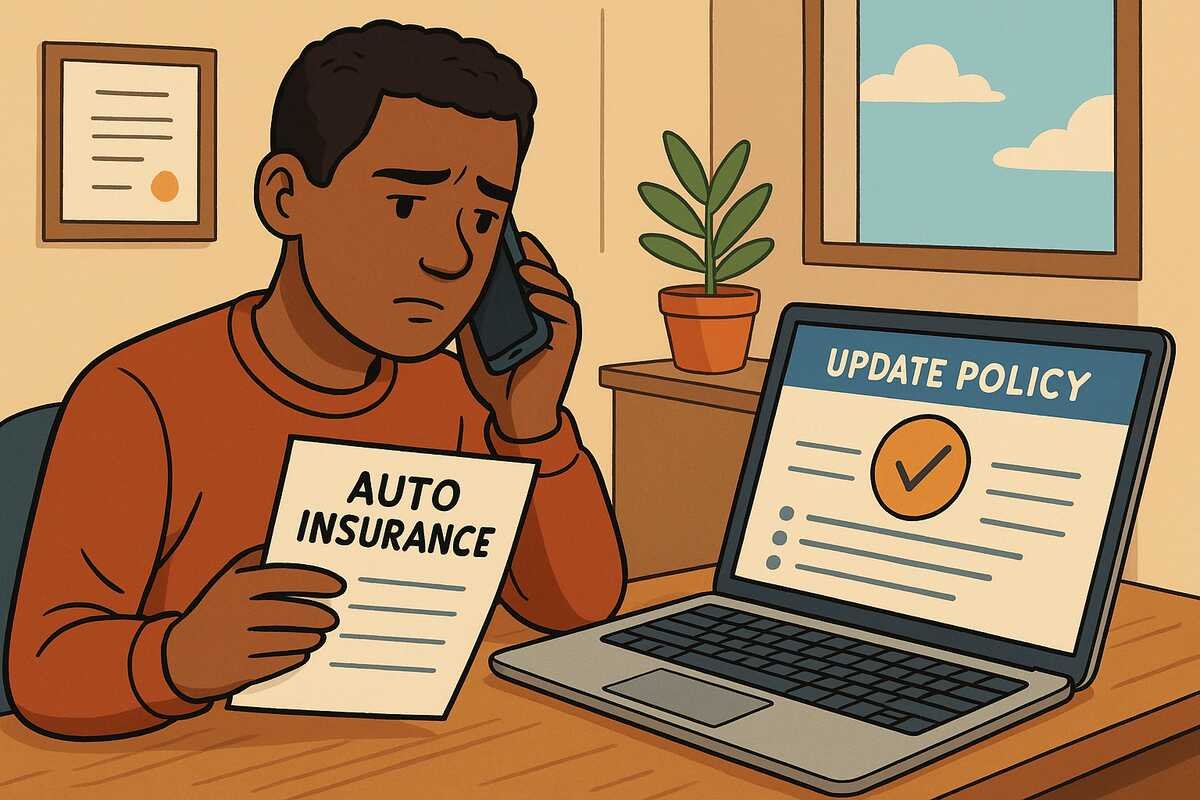

Why Reviewing Your Auto Policy Matters More Than Ever

Your car insurance policy isn’t a “set it and forget it” deal. In 2025, as vehicle technologies evolve, lifestyles shift, and insurance algorithms get smarter, knowing when and how to update your auto insurance policy effectively can mean the difference between overpaying and being underinsured.
According to the Insurance Information Institute, nearly 60% of drivers fail to review or adjust their policy after major life changes often missing out on discounts or, worse, discovering too late that their coverage no longer fits their needs. Regular policy reviews not only protect your wallet but ensure your coverage evolves with your driving habits and personal situation.
This comprehensive guide explores when and how to update your policy effectively without unnecessary hassle or confusion.
1. Major Life Events That Require Immediate Policy Updates
Best for: Drivers who’ve experienced significant personal or financial changes.
Life moves fast and so do your insurance needs. Whether it’s buying a new car, moving states, or getting married, each change affects your risk profile and coverage requirements.
Key Life Events That Should Trigger an Update:
- Buying or selling a vehicle: Update coverage to match your car’s value and safety features.
- Moving: Premiums vary by ZIP code based on theft rates and accident frequency.
- Marriage or divorce: Affects policy ownership, discounts, and beneficiary details.
- Having a child: May require increased liability protection or family coverage.
- Starting a new job or remote work: Fewer commuting miles can lower premiums.
Example:
After moving from urban Chicago to suburban Indiana, Lisa updated her address and mileage saving $320 annually due to lower accident rates in her new ZIP code.
Pro Tip: Always notify your insurer within 30 days of a major life change to avoid coverage gaps or premium miscalculations.
Research Insight: The National Association of Insurance Commissioners (NAIC) reports that updating your policy after relocation or vehicle changes can reduce costs by up to 20%.
Takeaway: Big life changes deserve small updates that protect you better.
2. Updating Your Policy When You Buy, Lease, or Pay Off a Car

Best for: Vehicle owners transitioning between financing stages.
Your insurance coverage should always match your vehicle’s ownership status. Many drivers overlook this, leading to either over-insurance or insufficient protection.
When Buying or Leasing:
- Consider gap insurance to cover the difference between your loan and the car’s market value.
- Add comprehensive and collision coverage for maximum protection.
- Notify your insurer before finalizing the purchase to ensure seamless activation.
When Paying Off Your Loan:
- Evaluate if you still need gap insurance.
- Adjust coverage limits to reflect your car’s depreciated value.
Example:
John paid off his five-year car loan and removed his gap insurance, saving $180 per year while maintaining full coverage for liability and comprehensive damage.
Pro Tip: Reassess your coverage every 12 months to ensure it aligns with your car’s current market value.
Research Insight: The Kelley Blue Book notes that adjusting coverage post-payoff can reduce unnecessary premium costs without compromising protection.
Takeaway: Your car’s financial status changes your coverage should too.
3. Adjusting Coverage After Driving Habit Changes
Best for: Remote workers, retirees, and low-mileage drivers.
Since the pandemic, millions have shifted to remote or hybrid work. This change significantly affects annual mileage and thus, insurance rates.
Why It Matters:
Insurers calculate premiums based partly on how much you drive. Fewer miles mean less exposure to risk, which should translate to lower costs.
Example:
Maria reduced her commute from 40 miles a day to none after going remote. She updated her insurer with the new mileage and qualified for a “low-mileage discount” saving $250 a year.
Pro Tip: Use telematics programs (like Progressive Snapshot or State Farm Drive Safe & Save) to track your mileage and prove your reduced driving.
Research Insight: The Harvard Business Review found that usage-based policies can reduce premiums by up to 25% for low-risk, low-mileage drivers.
Takeaway: Your commute may have disappeared so should those extra insurance costs.
4. Adding New Drivers or Family Members

Best for: Families or couples managing shared vehicles.
Adding (or removing) drivers from your policy is one of the most common and most overlooked updates. Failing to do so can lead to denied claims if an unlisted driver causes an accident.
When to Add a Driver:
- A teen or young adult earns their license.
- A spouse or partner begins using your car regularly.
- A roommate or family member borrows the car often.
Example:
The Thompson family added their teenage daughter as a covered driver, increasing their premium by $400 but preventing potential coverage issues if she had been in an accident.
Pro Tip: Ask your insurer about good student and driver training discounts to offset the higher premium for young drivers.
Research Insight: The Insurance Institute for Highway Safety (IIHS) reports that teen drivers are four times more likely to be in crashes making proper policy updates essential.
Takeaway: Adding new drivers now prevents major headaches later.
5. Taking Advantage of Vehicle Safety and Technology Updates
Best for: Drivers upgrading to cars with Advanced Driver Assistance Systems (ADAS).
Modern vehicles come equipped with features that significantly reduce accident risk and insurers are rewarding drivers for it.
Common ADAS Features That Lower Premiums:
- Automatic Emergency Braking (AEB)
- Lane-Keeping Assist (LKA)
- Blind-Spot Monitoring
- Adaptive Cruise Control
Example:
Ethan’s new 2025 Subaru Outback includes ADAS features. After notifying his insurer, he qualified for a 10% safety discount, reducing his annual cost by $200.
Pro Tip: Always send your insurer documentation or VIN details showing which safety systems your vehicle includes.
Research Insight: The IIHS confirms that ADAS-equipped cars experience 27% fewer collisions, prompting more insurers to offer technology-based discounts.
Takeaway: Safety features protect more than just your car they protect your wallet, too.
Real-Life Story: How Policy Updates Saved a Family from Major Costs
The Parkers had been with their insurer for 10 years without reviewing their coverage. When they moved to a suburban area and bought an ADAS-equipped SUV, they finally reviewed their policy. After updating their address, mileage, and safety systems, they saved $530 annually and added roadside assistance at no extra cost.
Lesson: Proactive policy reviews don’t just prevent overspending they strengthen protection where it matters most.
Comparison Table: When and Why to Update Your Policy
| Situation | What to Update | Potential Savings | Risk if Ignored |
|---|---|---|---|
| Moved to new location | Address, mileage | $200–$400/year | Wrong rate calculations |
| Bought or sold car | Vehicle details, coverage | $150–$300/year | Inaccurate protection |
| Remote work or low mileage | Annual mileage | $250–$500/year | Paying for unnecessary coverage |
| Added driver | Driver list, discounts | N/A | Denied claims |
| Bought ADAS-equipped car | Safety features | 5–15% off premium | Missed discounts |
Frequently Asked Questions About Updating Auto Insurance Policies
1. How often should I review my auto insurance policy?
At least once a year or whenever a major life, driving, or vehicle change occurs.
2. Will updating my policy increase my rates?
Not always. Some updates, like moving to a safer area or adding safety features, can actually reduce premiums.
3. Can I update my policy mid-term?
Yes. You can make adjustments anytime your insurer will prorate any cost changes accordingly.
4. Do I need to notify my insurer if I let someone borrow my car?
If it’s occasional, no. But if they drive it regularly, yes they should be added to your policy.
5. How do I know what coverage I actually need?
Work with your insurance agent or use online coverage calculators to ensure you’re neither underinsured nor overpaying.
Final Thoughts
In 2025, staying proactive about your auto insurance policy updates is a sign of smart financial management not just compliance. Whether you’re moving, upgrading your car, or driving less, keeping your policy aligned with your life ensures you’re protected when it counts and saving when you can.
The golden rule: review, revise, and refresh your policy regularly.
If this article helped you understand when and how to update your auto insurance policy, share it with fellow drivers and explore more insurance insights on our blog.