


Car insurance is a crucial part of responsible vehicle ownership, but many drivers are unaware of some surprising rules that could impact their coverage and costs. Whether you’re a new driver or an experienced one, understanding these unbelievable car insurance rules can help you avoid unexpected expenses and legal issues.
In this guide, we’ll explore the most surprising car insurance regulations, industry loopholes, and little-known policies you need to know now.
1. Your Credit Score Can Affect Your Premium

Many insurers use your credit score to determine your car insurance rates. A lower score can lead to higher premiums, as insurance companies associate financial responsibility with lower risk.
- Good credit = Lower insurance rates
- Bad credit = Higher premiums in many states
- Some states, such as California, Massachusetts, and Hawaii, ban credit-based insurance pricing
Checking your credit report regularly and improving your credit score can help you save money on car insurance.
2. Your Job and Education Level Can Impact Your Rates
Some insurance companies consider your occupation and level of education when calculating premiums. Certain professions, like doctors, engineers, and teachers, may receive discounts due to perceived lower risk.
- Higher education levels can sometimes reduce premiums
- Occupations involving frequent driving may increase premiums
- Not all states allow insurers to factor in job titles
If your insurer considers these factors, it may be worth inquiring about any available discounts.
3. A Parking Ticket Won’t Raise Your Rates, But Some Minor Violations Will
While a parking ticket typically won’t affect your insurance, some minor infractions can lead to increased rates.
- Speeding tickets, reckless driving, and DUIs will increase your rates significantly.
- Failure to wear a seatbelt or texting while driving could impact premiums in certain states.
- Accident-forgiveness programs may prevent your first minor offense from raising rates.
It’s essential to check your policy to understand how different violations may impact your insurance costs.
4. Your Car’s Color Does NOT Affect Your Insurance Rates
Contrary to popular belief, owning a red car does not increase your insurance premiums. Insurance companies calculate rates based on factors such as:
- Make and model – High-performance or luxury cars have higher premiums.
- Engine size – Vehicles with larger engines may be costlier to insure.
- Safety features – Cars with advanced safety technology may qualify for discounts.
- Theft rate – Vehicles that are commonly stolen often have higher premiums.
Choosing a car with good safety ratings and a lower risk profile can help reduce your costs.
5. You Might Be Covered Even If You’re Not Driving
In some cases, your insurance coverage extends even when someone else is driving your car.
- Permissive Use: If you allow a friend or family member to drive your car, your insurance usually still applies.
- Rental Car Coverage: Some policies automatically cover rental cars, eliminating the need to buy extra insurance.
- Comprehensive Coverage: May cover damages like theft or vandalism, even when the car is parked.
Always check your policy to understand your coverage when someone else is behind the wheel.
6. Where You Park Your Car Affects Your Premiums

Your insurance rates can change based on where you park your car overnight.
- Garaging your car in a secure area may lower your premiums.
- Street parking in high-theft areas can increase rates.
- Moving to a new zip code can impact your insurance, even within the same city.
If you’re relocating, compare rates in different areas before moving to see how your new location might affect your premium.
7. Some Car Insurance Covers Pet Injuries
If you often travel with pets, you might be surprised to learn that some insurance policies cover vet bills for pets injured in an accident.
- Pet coverage is often included in comprehensive or collision coverage.
- Payouts vary depending on the insurer and state regulations.
- Not all policies include this, so check with your provider if you travel with pets.
This unexpected benefit can save you money on vet expenses if your pet is involved in an accident.
8. You Can Challenge a Total Loss Decision
If your car is declared a total loss after an accident, you can dispute the insurer’s valuation.
- Request a detailed breakdown of how they determined the car’s value.
- Provide proof of recent upgrades, maintenance, or added features to increase valuation.
- Compare with local market prices for similar vehicles to negotiate a higher payout.
Insurers sometimes undervalue cars, so challenging their decision can result in a better settlement.
9. Your Mileage Affects Your Rates More Than You Think
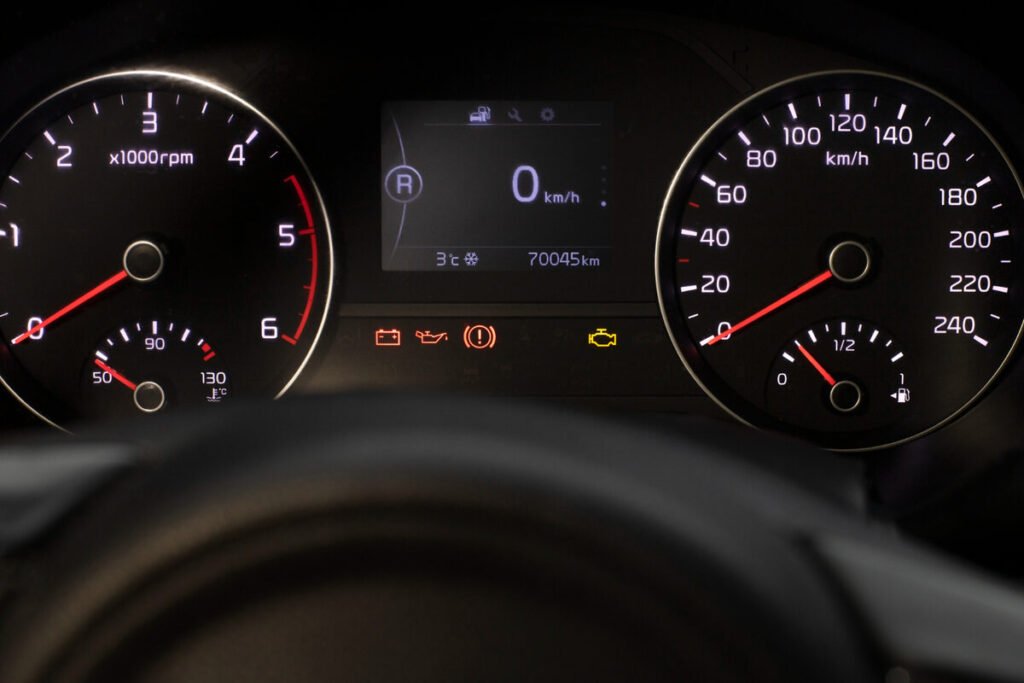
The number of miles you drive annually directly impacts your insurance costs. Less driving often equals lower premiums.
- Low-mileage discounts are available for those who drive under a certain threshold.
- Usage-based insurance programs (such as telematics tracking) may lower rates for safe, infrequent drivers.
- If you work from home or use public transport, inform your insurer to adjust your premium.
Reducing your mileage can help you save significantly on insurance.
10. You Can Switch Insurance Providers Anytime
Many people think they have to wait until their policy expires to switch insurance providers, but you can change at any time.
- No-penalty cancellations may be allowed (check with your insurer).
- You might receive a pro-rated refund for unused coverage.
- Comparing quotes regularly ensures you always get the best deal.
Shopping around for better coverage and discounts can help you save hundreds of dollars annually.
Conclusion: Unbelievable Car Insurance Rules
Understanding these unbelievable car insurance rules can help you make smarter decisions, lower your premiums, and avoid unexpected surprises. From credit scores and job titles affecting rates to hidden coverage perks, being informed is the key to saving money and ensuring you have the right protection.
To compare policies and find the best car insurance deals, visit trusted sources like Insurance.com and NerdWallet.