
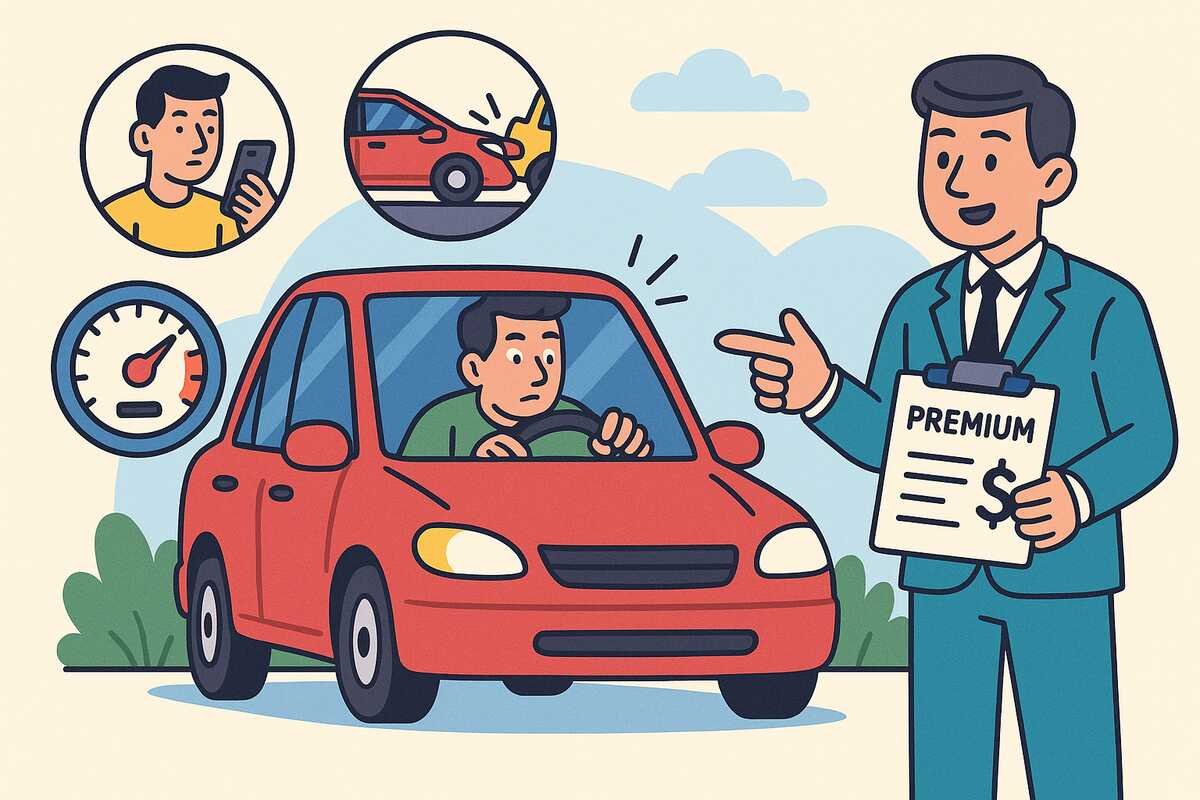

Your Driving Style Tells a Story — And Insurers Are Listening
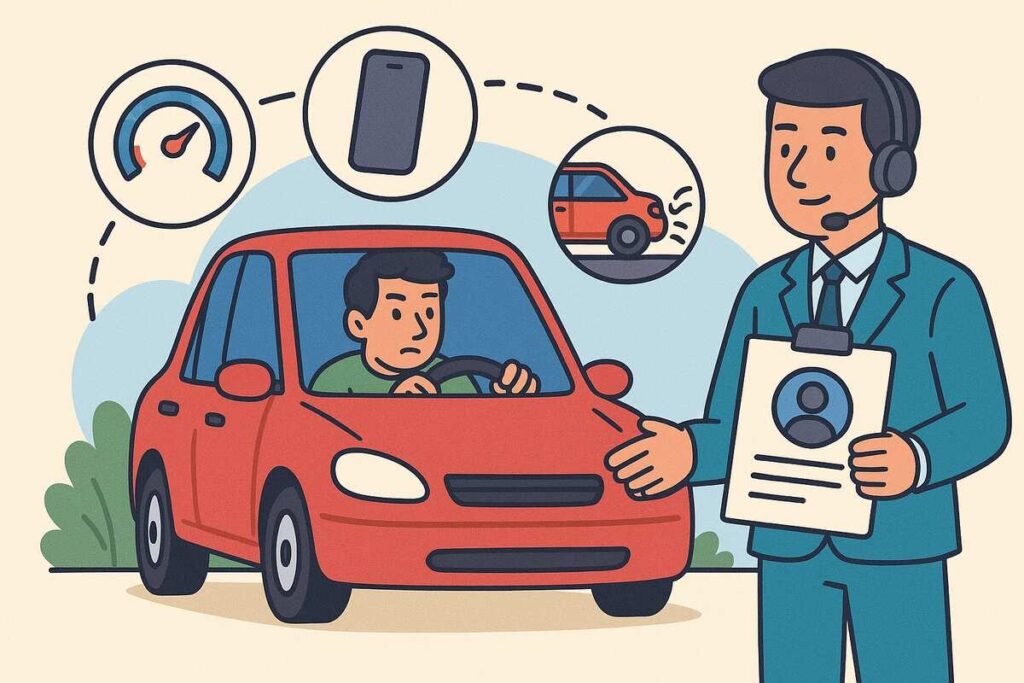
Driving Habits explain why your auto insurance rate can change even when your car, address, and coverage stay the same. In 2025, insurers rely more than ever on driving behavior to determine premiums. Your habits behind the wheel create a risk profile that insurers analyze to decide how much you pay and the difference can be dramatic.
According to the Insurance Information Institute, insurers now consider real-time and historical driving behavior one of the most accurate predictors of accident risk. With telematics, connected vehicles, and advanced driver monitoring, your daily choices directly influence your premium.
This guide breaks down exactly which driving habits affect your auto insurance premiums, why they matter, and how to build habits that lower your costs rather than increase them.
Why Driving Habits Matter More Than Ever in 2025
Before telematics and connected vehicles, insurers relied mostly on demographic factors: age, ZIP code, vehicle type, and credit score. But today, how you drive offers a far more precise picture of your true risk level.
Driving Behaviors Insurers Track
- Hard braking events
- Rapid acceleration
- Speeding frequency
- Cornering patterns
- Distracted driving indicators
- Nighttime driving
- Mileage and trip patterns
Research Insight: A 2024 Forbes Advisor report revealed that telematics-based drivers save an average of 21% when practicing consistent safe-driving habits.
Example: Two drivers with identical cars and ZIP codes can have wildly different premiums if one consistently speeds or brakes hard.
1. Hard Braking: The #1 Behavior Raising Insurance Rates
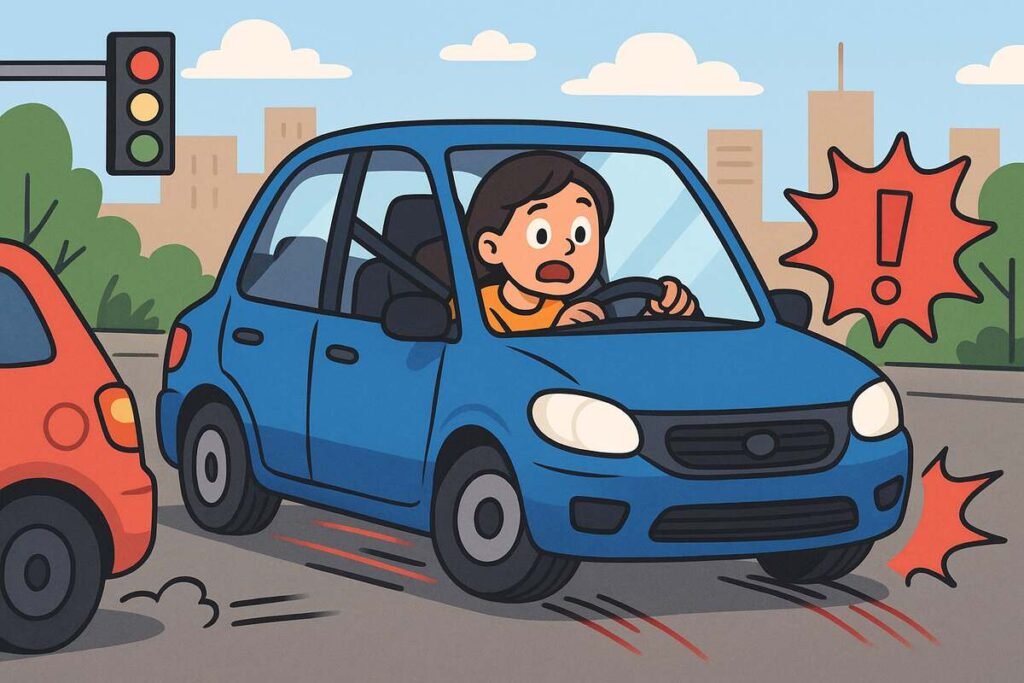
Harsh braking is one of the clearest predictors of accident risk.
Why It Matters
Sudden brakes indicate:
- tailgating
- poor anticipation of traffic
- distracted driving
- unsafe following distance
Example:
Lena enrolled in a telematics program and discovered she averaged 14 hard brakes per week. By improving her following distance, her premium dropped at renewal.
How to Improve
- Leave extra space between vehicles
- Minimize distractions
- Look ahead 2–3 cars
Research Insight: The Cleveland Clinic highlights that defensive driving reduces risky braking patterns.
Takeaway: Smoother braking = lower premiums.
2. Speeding: A Major Red Flag for Insurers
Speeding significantly increases crash severity and frequency.
How Insurers Track Speed
- Telematics compares your speed to posted limits
- Connected cars log consistent speed data
Why It Raises Premiums
- Leads to costlier claims
- Indicates aggressive driving style
- Increases injury risk
Example:
A telematics user who consistently drove 10–15 mph over the limit saw a 28% higher premium than a comparable driver who followed speed limits.
How to Build Better Habits
- Use cruise control
- Follow posted limits
- Reduce speeding on rural and nighttime roads
Takeaway: Speed discipline instantly improves your risk score.
3. Rapid Acceleration & Aggressive Driving
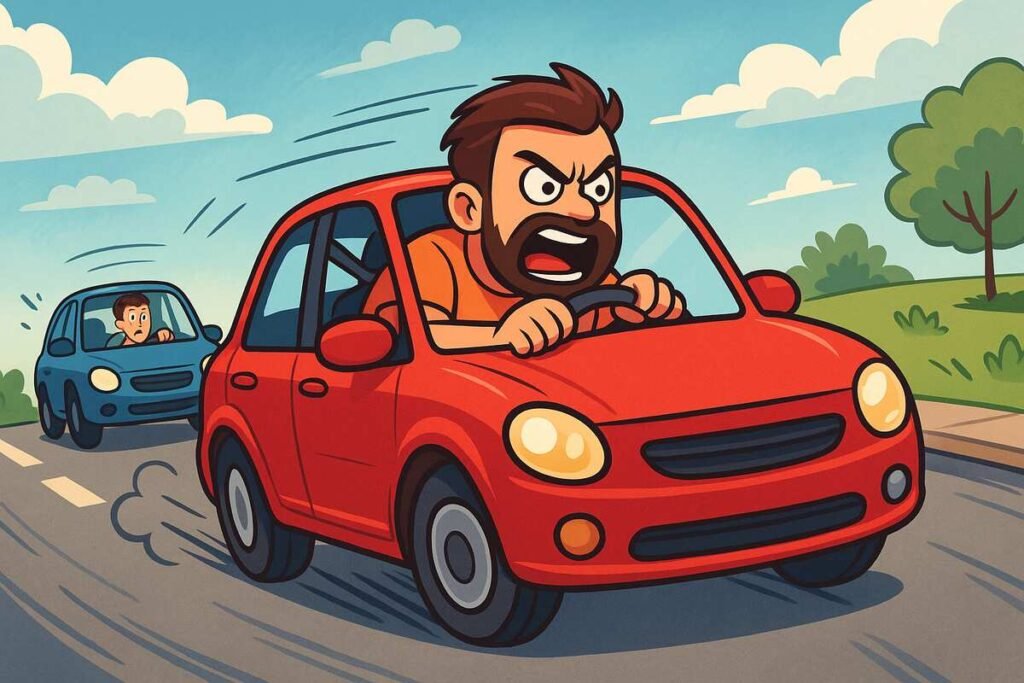
Fast takeoffs and aggressive maneuvers are strong indicators of unsafe driving.
Why Insurers Care
- Aggressive driving correlates with crash likelihood
- Higher wear and tear leads to more claims
Example:
Telematics data showed Marcus frequently accelerated sharply from stop signs. After smoothing his acceleration, his insurer awarded a safe-driver discount.
Improve This Habit
- Press the accelerator gradually
- Anticipate traffic flow
- Practice smoother starts
Takeaway: Calm acceleration communicates responsible driving.
4. Nighttime Driving — Surprisingly Influential
Driving after dark increases accident risk due to impaired visibility and higher probabilities of encountering impaired drivers.
Why It Matters
- Insurers track nighttime miles
- Frequent late-night driving can raise premiums
Example:
A hospital worker who drove mostly during late-night hours saw a higher premium even with good driving habits because of the elevated risk window.
What You Can Control
- Use telematics programs that weigh behavior more than timing
- Improve visibility with proper lighting maintenance
Takeaway: Nighttime miles matter but smart programs reward overall safety.
5. Distracted Driving — Your Most Expensive Habit
Smartphones are the biggest driving distraction in modern life.
What Insurers Detect
- Phone usage during trips
- Inconsistent speed patterns
- Lane drift or sudden corrections
Research Insight: The National Highway Traffic Safety Administration reports distraction causes thousands of crashes annually, making it a major pricing factor.
Example:
A driver whose telematics app detected frequent screen taps during trips became ineligible for safe-driver discounts.
How to Eliminate It
- Activate Do Not Disturb
- Use mounted navigation
- Keep hands on the wheel
Takeaway: Zero distraction = maximum savings.
6. Annual Mileage: Low-Mileage Drivers Pay Less
The less you drive, the lower your risk and insurers reward it.
Groups Who Save the Most
- Remote workers
- Retirees
- City dwellers
- Hybrid or transitional commuters
Example:
When Sarah reduced her driving by 8,000 miles after switching to remote work, her renewal dropped by nearly $400.
Pro Tip: Consider a pay-per-mile program if you drive under 6,000–8,000 miles annually.
7. Smooth Cornering & Overall Stability
Though subtle, smooth cornering reflects attentiveness.
What Sudden Swerves Suggest
- Distraction
- Inconsistent focus
- Potential hazard misjudgment
Insurer Response
Drivers with smoother cornering patterns often get:
- better telematics scores
- safe-driver discounts
Takeaway: Stability matters more than most people realize.
Real-Life Example: A Premium Drop Driven by Better Habits
Tom joined a telematics program reluctantly. He discovered:
- He was braking too often
- He sped on short local trips
- His driving patterns fluctuated at night
By adjusting these habits, he:
- increased his driving score
- received a 17% discount at renewal
- saved $268 for the year
Lesson: Awareness is the first step toward lower premiums.
Comparison Table: Driving Habits and Their Premium Impact
| Driving Habit | Risk Level | Premium Impact | Improvement Difficulty |
|---|---|---|---|
| Hard braking | High | Significant increase | Moderate |
| Speeding | High | High increase | Medium |
| Rapid acceleration | Moderate | Medium increase | Easy |
| Nighttime driving | Moderate | Moderate increase | Hard to avoid |
| Distracted driving | Very high | Major increase | Moderate |
| Low mileage | Low | Large savings | Easy |
| Smooth cornering | Low | Small savings | Easy |
Frequently Asked Questions About Driving Habits & Premiums
1. Do all insurers track driving behavior?
No, but most major insurers offer telematics-based programs.
2. Will bad driving habits increase my rate immediately?
Usually at renewal, depending on the program.
3. Can I opt out of telematics?
Yes, all programs require permission.
4. Does safe driving always guarantee lower rates?
Not always, but it significantly improves your chances.
5. Do connected cars track more data than apps?
Often yes, but only driving-related data is shared.
Final Thoughts
Your driving habits are the most powerful tools you have to influence your auto insurance premiums. By adopting safer, smoother, and more consistent behaviors, you protect not only your safety, but also your wallet.
If this guide helped you understand how driving habits affect your premiums, share it with others or explore more auto-insurance insights on our blog.