

Why Flexible Insurance Models Are Taking Over
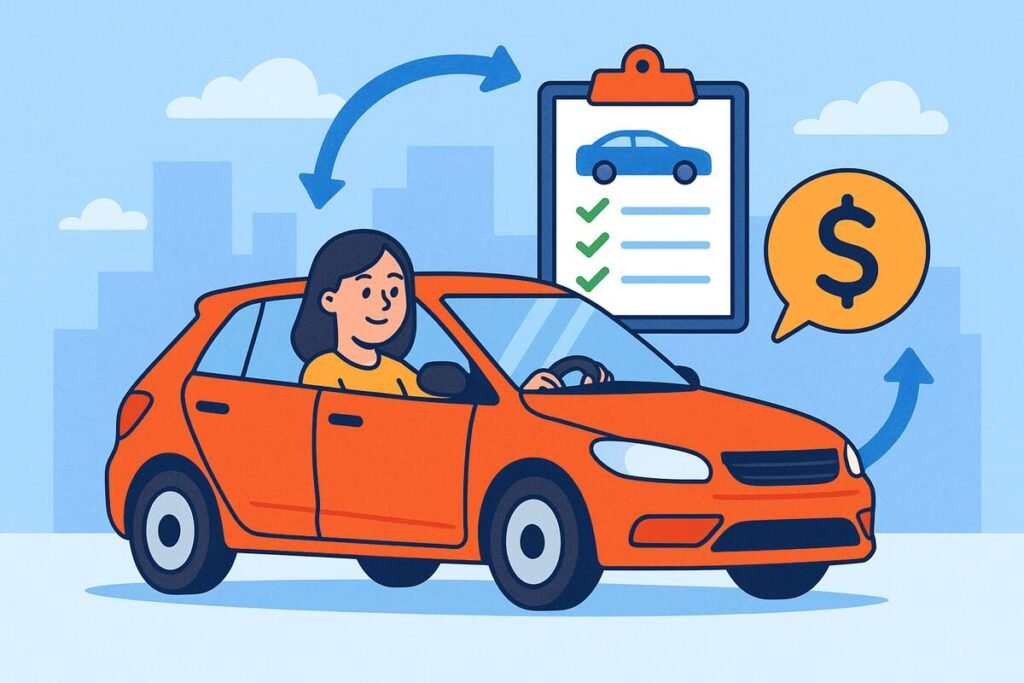
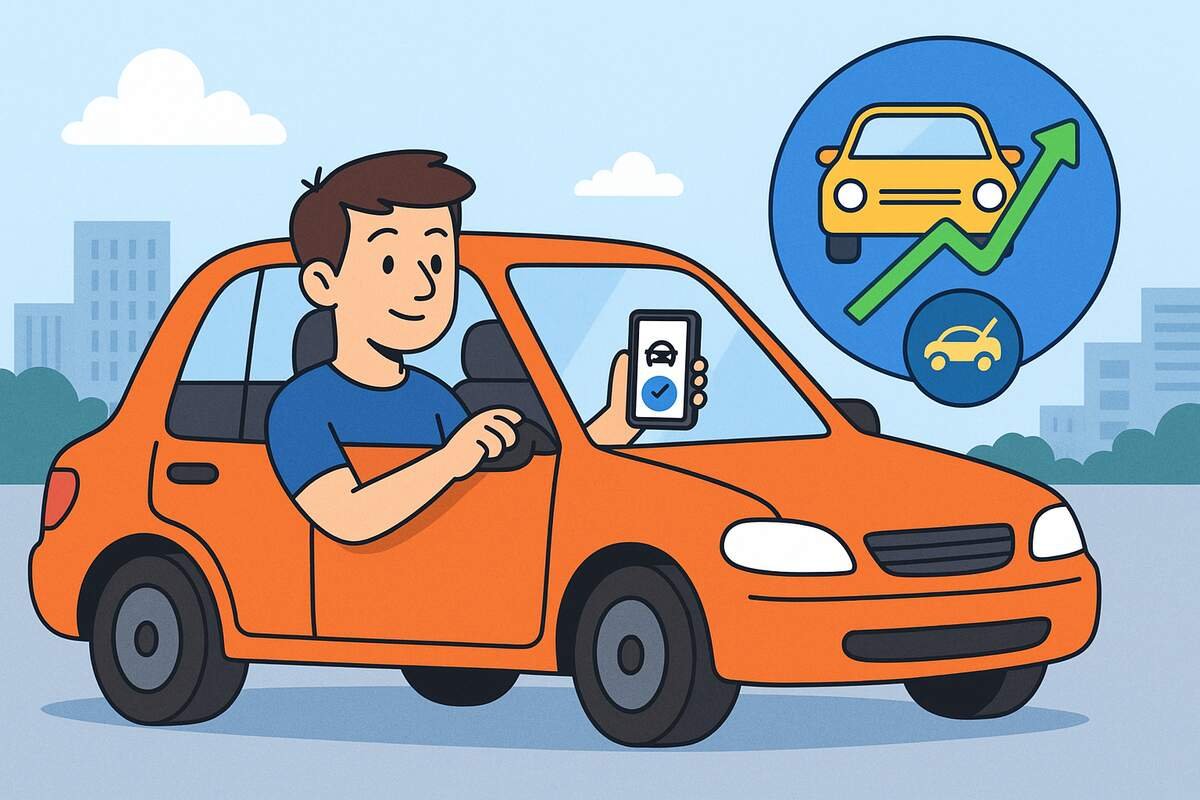
The traditional car insurance system—fixed premiums, rigid contracts, and one-size-fits-all policies—is rapidly becoming outdated. As lifestyles evolve and driving habits change, many drivers are asking: Why should I pay for coverage I barely use? Enter the pay-as-you-go car insurance model, a revolutionary approach that tailors costs to actual usage and driving behavior.
According to a McKinsey & Company report, the shift toward usage-based and pay-as-you-drive insurance models is accelerating globally. By 2025, these models could represent more than 20% of all personal auto policies. For part-time drivers, remote workers, and environmentally conscious individuals, this shift means fairer rates and greater control.
In this article, we’ll explore how pay-as-you-go car insurance works, its benefits, potential drawbacks, and what it means for the future of driving.
1. What Is Pay-As-You-Go Car Insurance?
Best for: Drivers who drive less frequently or want personalized pricing.
Pay-as-you-go (PAYG) car insurance—also called usage-based insurance (UBI) or pay-per-mile insurance—charges drivers based on how much and how well they drive, rather than a fixed monthly premium. It leverages telematics technology (GPS devices or mobile apps) to track mileage, driving behavior, and sometimes even time of day.
Two Common Models:
- Pay-Per-Mile Insurance: You pay a small base rate plus a per-mile fee.
- Behavior-Based Insurance: Premiums depend on driving habits like braking, acceleration, and speed consistency.
Example: Suppose your base rate is $30/month plus $0.06 per mile. If you drive 400 miles in a month, your total premium would be $54.
Pro Tip: Drivers who commute short distances or use public transit part-time can save significantly with this model.
Takeaway: You pay for what you use—no more, no less.
2. How Telematics Makes It Possible
Best for: Drivers curious about how insurers track mileage and behavior.
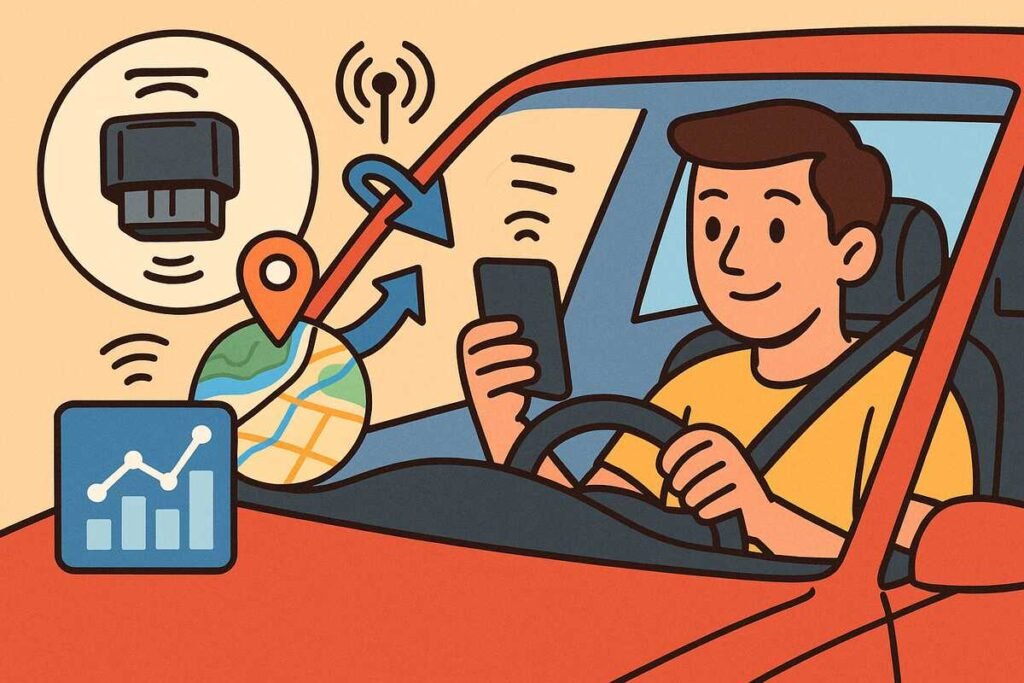
At the heart of PAYG insurance lies telematics technology—a combination of sensors, GPS, and data analytics that captures real-time driving information.
What Telematics Measures:
- Distance driven (total miles logged per month).
- Driving style (speed, braking, cornering).
- Time of day (daytime vs. nighttime driving).
- Route patterns (urban vs. highway driving).
Example: Insurers like Metromile and Allstate’s Milewise use plug-in devices or smartphone apps to record mileage and reward cautious, low-mileage drivers.
Privacy Concerns: While telematics improves accuracy, it raises questions about data security. Reputable insurers anonymize and encrypt driving data, ensuring it’s used solely for pricing and safety analysis.
Research Insight: A Deloitte study found that 70% of drivers are open to sharing data if it results in lower premiums.
Takeaway: Data drives savings—literally.
3. Key Benefits of Pay-As-You-Go Car Insurance
Best for: Drivers seeking affordability, flexibility, and fairness.
The pay-as-you-go model is reshaping how drivers view car insurance. It offers not just cost savings, but also transparency and motivation for safer driving.
Major Advantages:
1. Cost Savings for Low-Mileage Drivers
If you drive less than 8,000–10,000 miles a year, PAYG can cut your premium by 30–50%. Remote workers, retirees, and city dwellers stand to gain the most.
Example: Sarah, a remote consultant who drives about 300 miles per month, switched to Metromile and saved $600 annually.
2. Fair Pricing
Unlike traditional insurance, PAYG adjusts your costs to match your actual usage—rewarding responsible, occasional drivers instead of penalizing them with blanket rates.
3. Encourages Safer Driving
By monitoring habits like speed and braking, PAYG encourages mindfulness behind the wheel. Some programs even offer real-time feedback and driving scores.
4. Environmental Impact
Fewer unnecessary miles mean reduced fuel consumption and lower emissions—making PAYG a greener insurance option.
Research Insight: A Harvard Business Review study showed that usage-based insurance could reduce risky driving incidents by up to 25%.
Takeaway: PAYG aligns financial, personal, and environmental incentives.
4. Potential Drawbacks and Limitations
Best for: Drivers evaluating trade-offs before switching.
While PAYG offers flexibility, it’s not ideal for everyone. Understanding the limitations helps you make an informed decision.
Potential Downsides:
- Privacy Concerns: Data tracking can feel intrusive to some users.
- Inconsistent Costs: Monthly bills fluctuate depending on mileage.
- Limited Availability: Not all states or insurers offer PAYG programs yet.
- High-Mileage Drivers Pay More: Frequent commuters or delivery workers might end up spending more.
Example: If you suddenly increase your driving from 400 to 1,200 miles a month, your bill could triple.
Pro Tip: Estimate your average monthly mileage before committing—PAYG is most beneficial for drivers under 10,000 miles per year.
Takeaway: PAYG rewards flexibility—but requires predictability.
5. The Future of Car Insurance: Smarter, Personalized, Digital

Best for: Drivers and insurers embracing innovation.
As technology evolves, so will PAYG insurance models. Artificial intelligence, real-time data analytics, and connected vehicles are paving the way for hyper-personalized coverage.
Emerging Trends:
- AI Risk Scoring: Algorithms will predict driver risk more accurately using contextual data.
- Dynamic Pricing: Rates will adjust in real-time based on road conditions, weather, and time of day.
- Blockchain Security: Future PAYG systems may use blockchain to enhance data privacy and transparency.
- Eco-Incentives: Drivers with low emissions or electric vehicles could receive additional discounts.
Example: Tesla’s built-in telematics already powers its in-house insurance program, adjusting rates monthly based on real-time driving behavior.
Research Insight: The World Economic Forum predicts that personalized insurance models will dominate by 2030, with real-time data integration as the new standard.
Takeaway: The insurance of tomorrow adapts as fast as you drive.
Real-Life Story: Saving Smarter with PAYG
When Mike, a freelance photographer, stopped commuting daily, he realized he was overpaying for traditional insurance. After switching to Allstate’s Milewise plan, his monthly premium dropped by nearly 40%, saving over $700 a year. He appreciated being charged only for what he used and tracking his progress through the app.
Lesson: Awareness and adaptability can turn car insurance from a burden into a benefit.
Comparison Table: Pay-As-You-Go vs. Traditional Car Insurance
| Feature | Pay-As-You-Go | Traditional Insurance |
|---|---|---|
| Pricing Model | Based on miles or behavior | Fixed monthly premium |
| Best For | Low-mileage or remote drivers | Daily commuters |
| Data Tracking | Yes (via app or device) | Minimal to none |
| Flexibility | High | Low |
| Environmental Impact | Encourages fewer miles | Neutral |
| Cost Predictability | Variable | Stable |
Frequently Asked Questions About Pay-As-You-Go Car Insurance
1. Is pay-as-you-go insurance available in all states?
Not yet. Availability depends on local insurance regulations and provider networks.
2. Does PAYG affect my credit score?
No. Your driving data is separate from credit-based insurance scoring.
3. What happens if I drive more than usual one month?
Your premium increases proportionally—but only for that billing cycle.
4. Can PAYG be combined with other discounts?
Yes! Safe driver, anti-theft, and bundling discounts often still apply.
5. Is my driving data secure?
Reputable insurers encrypt all telematics data and comply with strict privacy regulations.
Final Thoughts
The rise of pay-as-you-go car insurance marks a major shift in how drivers think about protection, affordability, and fairness. Instead of paying a flat rate, you now have the power to align your insurance costs with your lifestyle—rewarding efficiency, responsibility, and sustainability.
Whether you’re a remote worker, student, or occasional driver, PAYG offers a smarter alternative that fits the way people live and drive in 2025 and beyond.
If this article helped you understand pay-as-you-go insurance better, share it with other drivers and explore more coverage insights on our blog.