


Why Understanding Car Insurance Coverage Matters
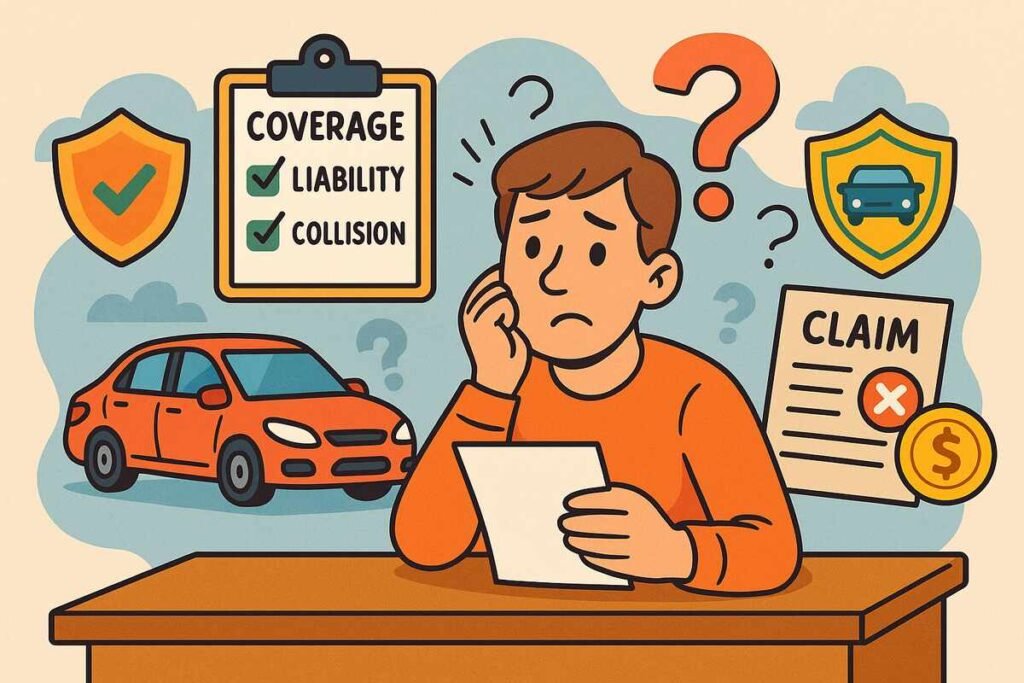
Car insurance can feel like a maze of jargon and fine print. Liability, collision, comprehensive, deductibles what do they all mean? Without clarity, you may end up underinsured, overpaying, or struggling with denied claims when you need protection the most. According to the Insurance Information Institute, knowing your coverage options is essential for making smart financial decisions and staying protected on the road.
This Car Insurance Coverage Options Guide breaks down the most common policy types and answers frequently asked questions so you can confidently understand your policy and make the best choices for your needs.
Core Car Insurance Coverage Options Explained
Liability Coverage
- What it covers: Bodily injury and property damage you cause to others in an accident.
- Why it matters: Required by law in most states. It protects your financial assets if you’re found at fault.
- Tip: Consider limits higher than your state minimums to avoid out-of-pocket costs.
Collision Coverage
- What it covers: Repairs to your car after an accident, regardless of fault.
- Why it matters: Essential for newer or financed vehicles. Without it, you pay for repairs yourself.
Comprehensive Coverage
- What it covers: Damage from theft, vandalism, natural disasters, falling objects, or hitting animals.
- Why it matters: Protects against non-accident risks, especially if you park outside or live in disaster-prone areas.
Personal Injury Protection (PIP)
- What it covers: Medical expenses for you and passengers, plus lost wages in some states.
- Why it matters: Mandatory in “no-fault” states. It ensures quick coverage for injuries regardless of who caused the accident.
Uninsured/Underinsured Motorist (UM/UIM)
- What it covers: Your expenses if you’re hit by a driver with little or no insurance.
- Why it matters: Millions of drivers are uninsured—this coverage shields you from their mistakes.
Optional Add-Ons
- Roadside Assistance: Towing, lockouts, flat tires, and fuel delivery.
- Rental Car Reimbursement: Covers rental costs while your car is being repaired.
- Gap Insurance: Pays the difference between your car’s value and loan balance if it’s totaled.
- Custom Equipment Coverage: Protects aftermarket parts and modifications.
FAQs: Car Insurance Coverage Options

1. Do I really need more than the state minimum coverage?
Yes. State minimums often cover only a fraction of real accident costs. For example, a $25,000 property damage limit may not fully cover a newer vehicle accident. Experts recommend higher limits for peace of mind.
2. Should I drop collision and comprehensive on an old car?
If the car’s value is less than your annual premium plus deductible, it may not be worth keeping these coverages. Use resources like Kelley Blue Book to assess your vehicle’s worth.
3. What’s the difference between PIP and medical payments (MedPay)?
Both cover medical expenses, but PIP also includes lost wages and rehab services in some states. MedPay is usually more limited but can supplement health insurance.
4. Do I need UM/UIM if I already have health insurance?
Yes. Health insurance doesn’t cover property damage to your car, lost wages, or pain and suffering. UM/UIM fills these critical gaps.
5. How do deductibles affect my premium?
Higher deductibles lower your monthly premium but increase what you’ll pay out-of-pocket after a claim. Choose an amount you can realistically afford.
6. Can I change my coverage mid-policy?
Yes. Most insurers allow adjustments anytime. However, changes may reset discounts or adjust your premium.
7. What’s gap insurance, and do I need it?
Gap insurance is crucial if you lease or finance a vehicle. Without it, you may owe thousands if your car is totaled but worth less than your loan balance.
Real-Life Examples: How Coverage Choices Affect You
Example 1: Underinsured Driver
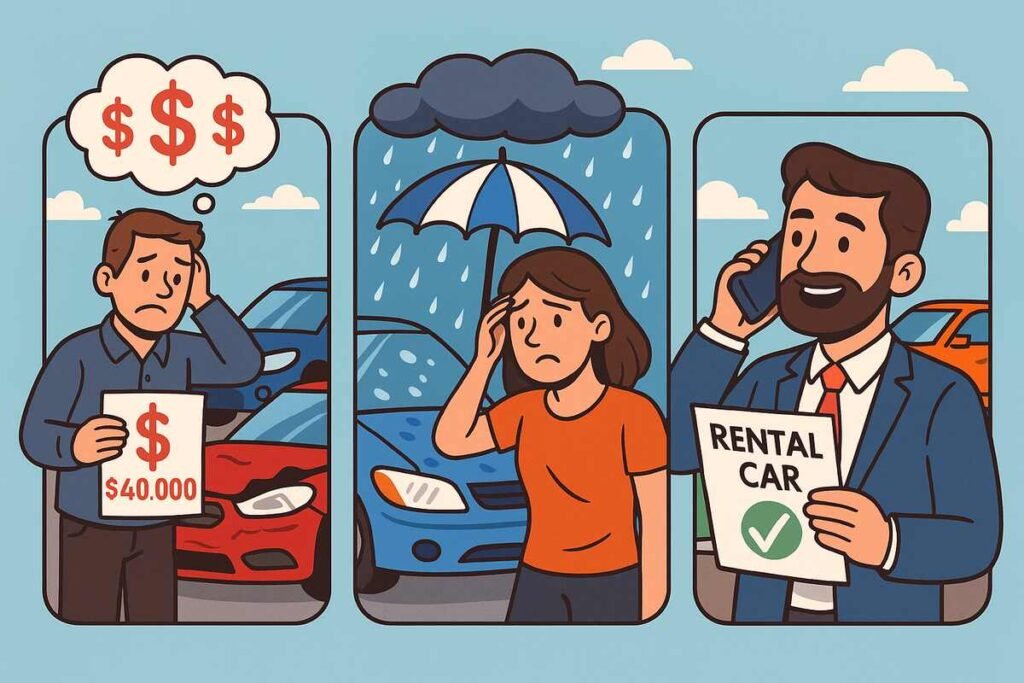
John carried only his state’s minimum liability coverage. After causing a major accident, damages exceeded his limits, forcing him to pay $40,000 out-of-pocket. With higher liability limits, this could have been avoided.
Example 2: Dropping Coverage Too Early
Lisa dropped comprehensive and collision on her 8-year-old car to save money. A week later, a hailstorm caused $3,000 in damages—repairs she had to cover herself.
Example 3: Smart Add-On Usage
Sam paid extra for rental reimbursement. When his car was in the shop for two weeks after an accident, insurance covered the rental costs, saving him $600.
Comparison Table: Standard Coverage vs. Optional Add-Ons
| Coverage Type | Protects Against | Mandatory? | Who Needs It Most |
|---|---|---|---|
| Liability | Injuries & damage you cause to others | Yes (in most states) | Every driver |
| Collision | Damage to your car from accidents | No | New or financed cars |
| Comprehensive | Theft, fire, natural disasters | No | Urban & high-risk areas |
| PIP | Medical expenses & lost wages | Some states | Drivers in no-fault states |
| UM/UIM | Uninsured or underinsured drivers | Varies | All drivers |
| Roadside Assistance | Breakdowns, towing, lockouts | No | Long-distance drivers |
| Rental Reimbursement | Rental car during repairs | No | Commuters, frequent drivers |
| Gap Insurance | Loan balance vs. car value | No | Leased or financed cars |
Expert Advice for Choosing the Right Coverage
- Start with your state’s requirements, then build from there.
- Evaluate your vehicle’s age and value to decide on collision and comprehensive.
- Factor in your budget, but don’t sacrifice critical protections for short-term savings.
- Ask about discounts: bundling, safe driving, anti-theft devices, and good student discounts can all reduce costs.
- Review your policy annually to adjust for changes in car value, lifestyle, or driving habits.
Final Thoughts: Powerful Car Insurance Coverage Options Guide
Understanding your car insurance coverage options is the foundation of financial protection on the road. Liability, collision, comprehensive, and add-ons each play a role in creating a safety net tailored to your needs. Skipping or misunderstanding these options could cost you thousands.
With this Coverage Options Guide, you now have the knowledge to review your policy, ask the right questions, and make informed decisions.
If this guide clarified your car insurance coverage, share it with friends or family—and explore more insurance tips on our blog.