
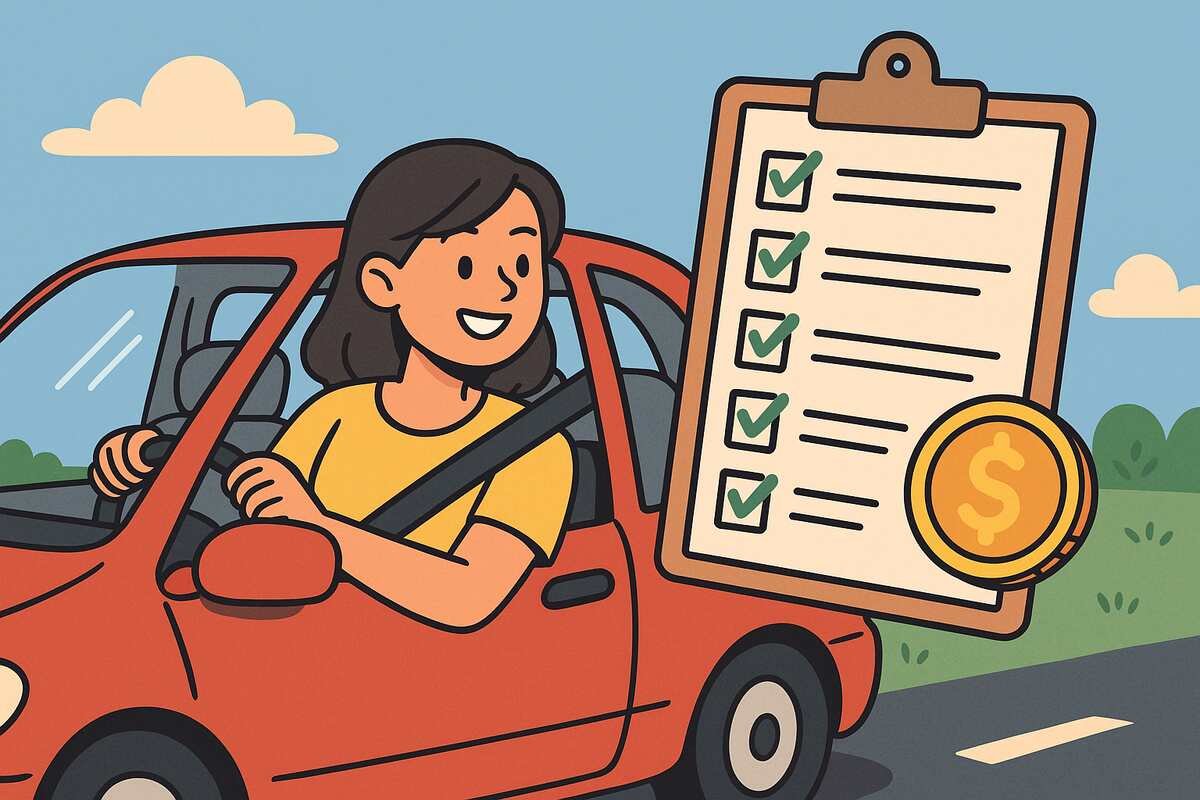

Why Finding Low-Cost Auto Insurance Matters

Let’s face it, car insurance isn’t cheap. Between rising repair costs, inflation, and changing risk factors, monthly premiums can quickly add up. According to Forbes Advisor, the average American driver pays over $1,700 per year for car insurance. That’s a big chunk of change but it doesn’t have to be.
The good news? You can cut your car insurance premium without sacrificing coverage. By understanding how insurers calculate rates and making smart adjustments, you can keep your vehicle and your wallet protected.
This guide reveals proven strategies to lower your monthly premium while maintaining peace of mind on the road.
1. Compare Quotes Before You Renew
Best for: Drivers seeking the best possible deal.
One of the easiest ways to save money is to compare insurance quotes before renewing your policy. Insurers calculate risk differently meaning two companies can offer vastly different rates for the same driver.
Example: John, a 35-year-old in Texas, received quotes ranging from $120 to $185 per month for the same coverage. By switching insurers, he saved over $780 annually.
How to Compare Smartly:
- Use trusted platforms like The Zebra or NerdWallet’s comparison tool.
- Include regional insurers, they often offer competitive local rates.
- Match deductibles and coverage limits to ensure fair comparisons.
Pro Tip: Re-shop your policy every 6–12 months. Rates fluctuate frequently based on market trends and personal data.
Takeaway: A few minutes of research can save you hundreds each year.
2. Bundle Your Policies for Extra Savings
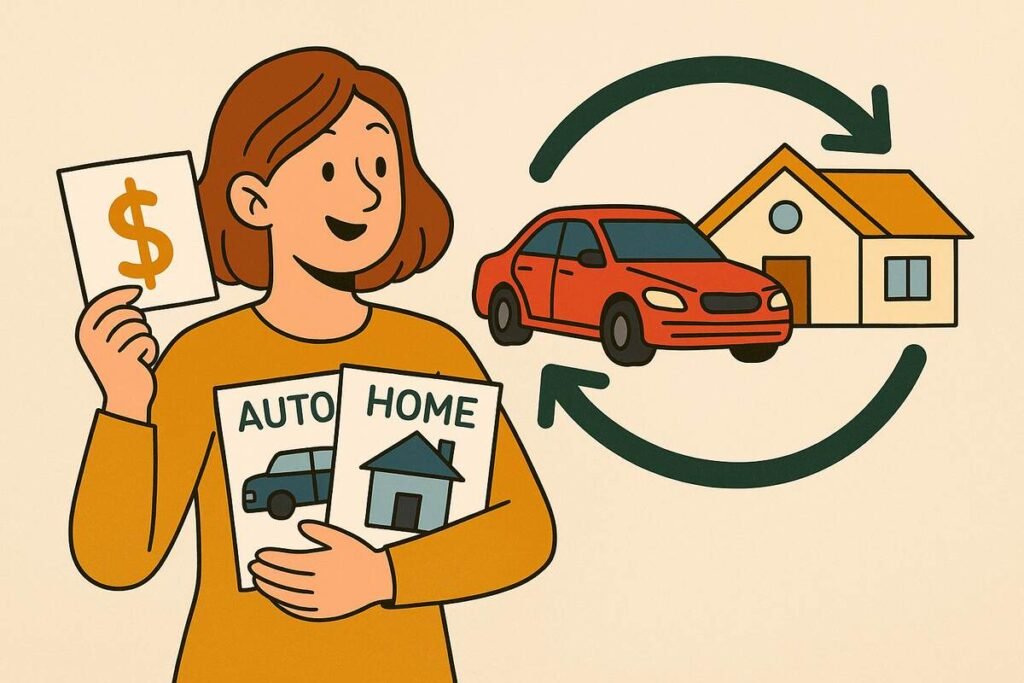
Best for: Homeowners, renters, or families with multiple vehicles.
Most insurers offer discounts when you combine your auto, home, or renters insurance under the same company. Known as bundling, this approach can save you 10% to 25% on your total premiums.
Example: Sarah bundled her auto and home policies with Progressive and reduced her monthly bill by $27 — a savings of over $320 per year.
Why It Works: Insurers reward customer loyalty and reduce administrative costs, which they pass back to you as discounts.
Pro Tip: Even if you bundle, continue comparing rates yearly — another provider may offer even greater savings.
Takeaway: Bundling simplifies your bills and lowers your premiums.
3. Raise Your Deductible — Strategically
Best for: Drivers with an emergency fund and clean record.
Your deductible — the amount you pay out of pocket before coverage kicks in — directly affects your monthly cost. Raising it from $500 to $1,000 could save you 10–20% on your premium, according to Bankrate.
Example: Mike raised his deductible to $1,000 and reduced his premium from $160 to $130 per month, saving $360 per year.
Caution: Only raise your deductible if you can comfortably afford it in an emergency. Keep that amount in a savings account dedicated to car expenses.
Pro Tip: If your car is older or your record spotless, a higher deductible may be a safe, smart choice.
Takeaway: Lower premiums come with higher responsibility — plan accordingly.
4. Improve Your Credit Score
Best for: Long-term, steady savers.
In most states, insurers use credit-based insurance scores to predict risk. Better credit = lower risk = lower premiums. According to a WalletHub study, drivers with excellent credit can pay up to 50% less than those with poor credit.
How to Improve Your Score:
- Pay all bills on time.
- Keep credit utilization below 30%.
- Avoid frequent new credit inquiries.
- Check your report for errors at AnnualCreditReport.com.
Pro Tip: Some insurers will automatically reassess your credit score at renewal, so improvements could mean instant savings.
Takeaway: Financial health pays off — literally.
5. Drive Less — and Prove It

Best for: Remote workers, retirees, and city dwellers.
The fewer miles you drive, the lower your risk of an accident. Some companies even offer usage-based insurance (UBI) or pay-per-mile programs that reward you for driving less.
Example: Lisa switched to Metromile, which charges based on mileage. Since she drives fewer than 5,000 miles per year, her premium dropped by 30%.
Other Options:
- Ask your insurer about low-mileage discounts.
- Enroll in telematics programs like Progressive Snapshot or Allstate Drivewise, which monitor driving habits and reward safe, infrequent drivers.
Pro Tip: Telematics apps track driving data, so smooth acceleration and safe braking also earn rewards.
Takeaway: Fewer miles = more money saved.
6. Ask About Discounts — Don’t Assume You’re Getting Them
Best for: All drivers.
Many discounts go unclaimed simply because people don’t ask. Insurers offer savings for things like safe driving, car safety features, and even paperless billing.
Common Discounts:
- Safe driver (accident-free for 3+ years).
- Good student (for maintaining a “B” average or higher).
- Defensive driving course completion.
- Anti-theft or safety equipment.
- Loyalty or multi-vehicle discount.
Example: Mark completed an online defensive driving course through AAA and saved 10% on his policy renewal.
Pro Tip: Ask your agent for a full list of discounts annually — some may apply retroactively.
Takeaway: The easiest savings often come from a single question.
7. Review Coverage Regularly
Best for: Drivers with older cars or changing needs.
If your car’s value has dropped significantly, consider dropping comprehensive or collision coverage. For vehicles worth less than $2,000, the payout may not justify the extra premium.
Example: Tina removed collision coverage from her 12-year-old sedan and saved $180 per year while maintaining full liability protection.
Pro Tip: Always maintain at least your state’s required minimum coverage, as recommended by the Insurance Information Institute.
Takeaway: Pay for what you truly need — nothing more, nothing less.
Real-Life Example: How One Family Saved $850 in a Year
The Petersons, a family of four from Ohio, audited their insurance policies after noticing their premium had crept up by 18%. By comparing quotes, bundling home and auto, and switching to a pay-per-mile plan, they saved $850 annually without losing coverage.
Takeaway: Strategic adjustments lead to long-term savings — not sacrifices.
Comparison Table: Quick Ways to Lower Your Premium
| Strategy | Savings Potential | Effort Level | Risk Level |
|---|---|---|---|
| Compare quotes | Up to 30% | Moderate | Low |
| Bundle policies | 10–25% | Easy | Low |
| Raise deductible | 10–20% | Easy | Moderate |
| Improve credit | Up to 50% | Long-term | Low |
| Drive less | 10–30% | Easy | Low |
| Ask for discounts | 5–15% | Easy | Low |
| Adjust coverage | 5–20% | Moderate | Moderate |
Frequently Asked Questions About Low-Cost Auto Insurance
1. Is the cheapest car insurance always the best?
No. Low-cost policies should still meet your state’s minimum requirements and your personal protection needs.
2. How often should I compare quotes?
Every 6–12 months — or after major life changes like marriage, moving, or buying a new car.
3. Does my credit really affect my rate?
Yes. In most states, insurers use credit-based scores to predict risk. Good credit typically equals lower premiums.
4. Should I drop full coverage on an older car?
If the car’s market value is lower than your deductible plus premium, it’s often not worth it.
5. Can telematics programs invade my privacy?
Most reputable insurers anonymize data and focus only on driving behavior, not personal location tracking.
Expert Tips for Sustainable Savings
- Automate payments: Some insurers offer discounts for autopay or paperless billing.
- Stay claim-free: Avoid filing small claims to keep your record clean.
- Ask about loyalty rewards: Renewals often trigger hidden perks.
- Reassess life events: Marriage, relocation, or new jobs can change your rates.
- Maintain continuous coverage: Gaps can cause premiums to spike.
Final Thoughts
Finding low-cost auto insurance isn’t about cutting corners — it’s about making informed choices. By comparing quotes, bundling policies, improving credit, and taking advantage of available discounts, you can reduce your premiums while staying fully protected.
The secret to savings is consistency. Review your policy yearly, ask questions, and stay proactive. Each adjustment may seem small, but together they can save you hundreds — or even thousands — every year.
If this article helped you uncover new ways to save, share it with a friend or check out more expert car insurance guides on our blog.