


Why Smart Insurance Choices Matter for Every Driver

Insurance Advice for car buyers: whether it’s your first or your fifth, buying a car is exciting. But with that excitement comes responsibility, especially when it comes to protecting your investment. In 2025, car insurance isn’t just a legal requirement; it’s a financial safety net against rising repair costs, theft, and accidents. The challenge? Navigating endless options, policy terms, and hidden fees that confuse even experienced drivers.
According to the Insurance Information Institute (III), the average American pays around $1,750 per year for auto insurance, a figure expected to rise due to inflation and advanced vehicle technologies. But here’s the good news: with the right strategy, both first-time car owners and seasoned drivers can dramatically reduce costs while improving coverage quality.
This guide breaks down the best insurance advice for first-time and veteran drivers alike, helping you make informed, confident, and cost-effective decisions.
1. Understand the Core Components of Car Insurance
Best for: First-time car owners learning the basics.
Before you buy a policy, you must understand what each coverage type means. Over-insuring wastes money; under-insuring leaves you vulnerable.
Key Coverage Types:
- Liability Insurance: Covers injury and property damage you cause to others. It’s mandatory in nearly every U.S. state.
- Collision Coverage: Pays for repairs to your car after a crash, regardless of fault.
- Comprehensive Coverage: Protects against theft, vandalism, and natural disasters.
- Uninsured/Underinsured Motorist (UM/UIM): Covers you when another driver lacks proper insurance.
- Personal Injury Protection (PIP): Handles medical expenses regardless of who caused the accident.
Example:
Jasmine, a new driver, initially thought liability insurance was enough. After learning that comprehensive coverage also protected against theft, she upgraded her policy and was relieved when her car was later stolen and fully reimbursed.
Pro Tip: Use online calculators from trusted insurers like Progressive or State Farm to estimate how much coverage you need.
Takeaway: Knowledge is power—the more you understand coverage terms, the fewer surprises you’ll face later.
2. Shop Around and Compare Quotes Every 12–18 Months
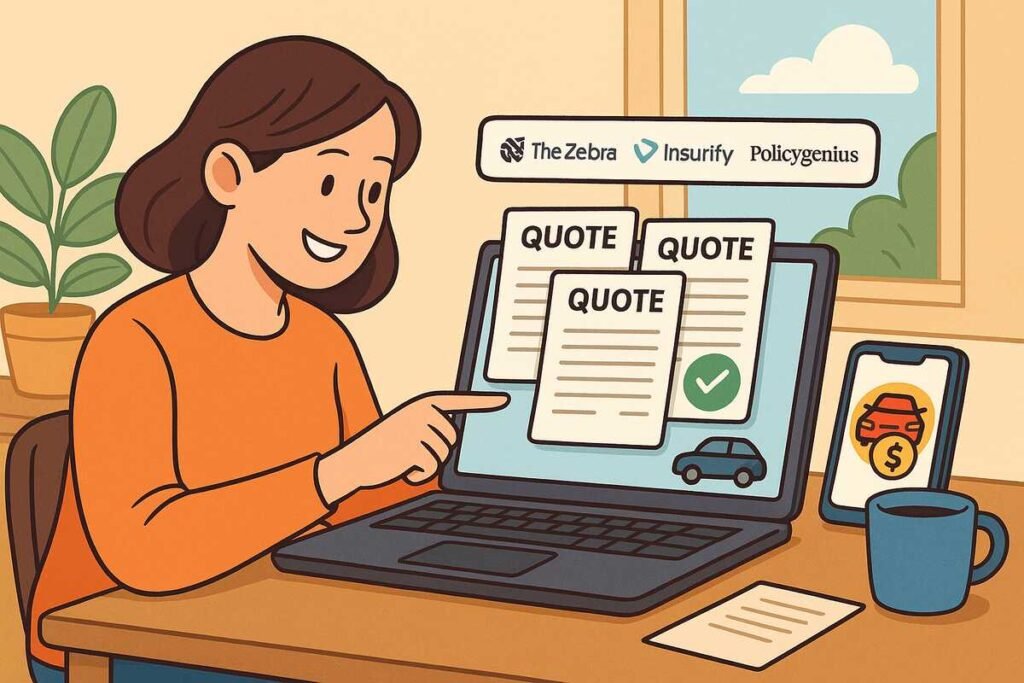
Best for: Every driver looking for fair rates and reliable coverage.
Insurance premiums fluctuate based on your age, location, driving history, and even economic trends. That’s why comparing rates regularly is essential. Even if you’ve been with the same insurer for years, loyalty doesn’t always equal savings.
Trusted Comparison Tools:
Example:
David, a driver of 10 years, switched insurers after comparing five quotes. He found an identical policy that cost $420 less annually simply by exploring competitors.
Pro Tip: Request identical coverage limits when comparing quotes to make true apples-to-apples comparisons.
Research Insight: A Consumer Reports study found that drivers can save an average of $500 per year by switching insurers every two years.
Takeaway: Comparison shopping isn’t about chasing the cheapest deal it’s about maximizing value.
3. Use Telematics and Safe-Driving Discounts
Best for: Careful drivers and low-mileage commuters.
Telematics-based insurance uses sensors or mobile apps to track your driving behavior and reward safe habits. In 2025, these programs have become the fastest-growing way to lower premiums.
Popular Telematics Programs:
- Allstate Drivewise: Monitors speed, braking, and phone use.
- State Farm Drive Safe & Save: Rewards consistent safe driving.
- Progressive Snapshot: Tracks mileage and driving times.
Example:
Nina enrolled in Drivewise and improved her braking patterns after receiving weekly reports. Her premium dropped 18% in six months.
Pro Tip: Opt into telematics programs even for short trials they often provide instant sign-up discounts.
Research Insight: The Harvard Business Review reports that AI-based driving analysis gives fairer pricing for drivers who avoid aggressive habits.
Takeaway: In modern insurance, good driving equals guaranteed savings.
4. Keep a Clean Driving Record and Maintain Good Credit

Best for: Drivers building long-term insurance savings.
Your driving history and credit score directly influence your premium. Insurers use these factors to assess risk, rewarding consistent responsibility.
Smart Habits:
- Avoid speeding tickets and at-fault accidents.
- Pay bills on time to maintain credit health.
- Ask your insurer about accident forgiveness programs.
Example:
After two speeding tickets, Alex’s insurance jumped by 22%. Once he completed a defensive driving course and went ticket-free for 12 months, his insurer reinstated his good-driver discount.
Pro Tip: Enroll in defensive driving courses approved by your state they often qualify for 5–10% discounts.
Research Insight: Experian found that drivers with excellent credit scores pay up to 20% less than those with poor credit.
Takeaway: Responsible habits behind the wheel and with your finances translate into real savings.
5. Reassess Your Coverage After Major Life Changes
Best for: Drivers experiencing personal or financial transitions.
Big life events like marriage, moving, or buying a new car should trigger an insurance review. Each change can affect your premiums, coverage needs, and discount eligibility.
Situations That Require Policy Updates:
- Moving to a new ZIP code.
- Adding a spouse or teen driver.
- Buying a new vehicle or refinancing your current one.
- Changing commute distance or remote work status.
Example:
After moving from downtown Chicago to a suburban area, Priya’s insurer lowered her premium by 15% due to reduced accident risk and parking costs.
Pro Tip: Revisit your policy annually or immediately after any life change to ensure it still fits your circumstances.
Research Insight: The National Association of Insurance Commissioners (NAIC) advises reviewing car insurance at least once a year to avoid unnecessary overpayment.
Takeaway: Your policy should evolve as your life does.
Real-Life Example: Two Drivers, Two Strategies
Case 1: The First-Time Owner
Taylor just bought her first used car. She started with a basic liability policy but quickly realized comprehensive coverage added peace of mind for just $12 more per month. She also signed up for a telematics program, earning a 10% safe-driver discount after three months.
Case 2: The Experienced Driver
Carlos has been driving for 20 years. After comparing quotes and bundling his auto and home insurance, he saved $520 annually. He reviews his policy every year to adjust for changes in vehicle value and mileage.
Lesson: Whether you’re new or experienced, small adjustments lead to big rewards.
Comparison Table: Key Insurance Strategies for Every Driver
| Strategy | Ideal For | Potential Savings | Key Tools |
|---|---|---|---|
| Compare quotes | All drivers | $300–$700/year | The Zebra, Insurify |
| Safe driving telematics | Low-mileage drivers | 10–25% | Drivewise, Snapshot |
| Defensive driving course | Ticket-free drivers | 5–10% | State-approved programs |
| Bundling policies | Homeowners | 10–20% | Multi-policy discounts |
| Annual review | All drivers | $200+ | Annual insurer audit |
Frequently Asked Questions About Car Insurance
1. How much coverage should a first-time driver get?
At minimum, purchase liability coverage that exceeds state minimums, and consider adding comprehensive and collision if your car’s value justifies it.
2. Should I stay with the same insurer long-term?
Only if their rates remain competitive and customer service is strong. Re-shop every 12–18 months.
3. What’s the best way to lower my premium fast?
Bundle multiple policies, improve your credit score, or sign up for a telematics program.
4. Is full coverage worth it for older cars?
Not always. If your car’s value is less than your deductible plus annual premium, consider dropping collision.
5. How can seasoned drivers save more?
Enroll in loyalty programs, use defensive driving courses, and regularly update coverage to reflect your current needs.
Final Thoughts
In 2025, car insurance is no longer a one-size-fits-all expense. Whether you’re a first-time car owner or a seasoned driver, the smartest approach combines education, comparison, and adaptability. The more informed you are, the more confident and cost-efficient your decisions become.
If this guide helped you navigate your insurance journey, share it with fellow drivers and explore more expert advice on our blog.