
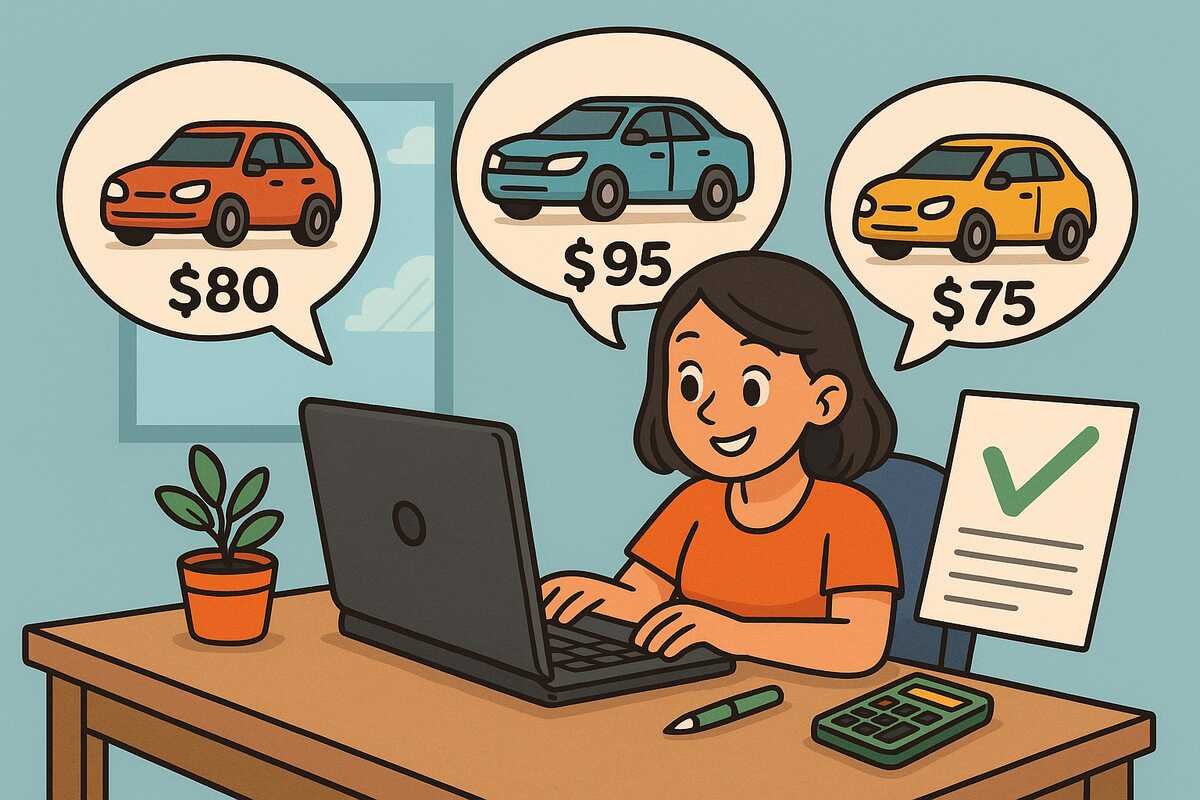

Why Comparing Car Insurance Quotes Is Crucial
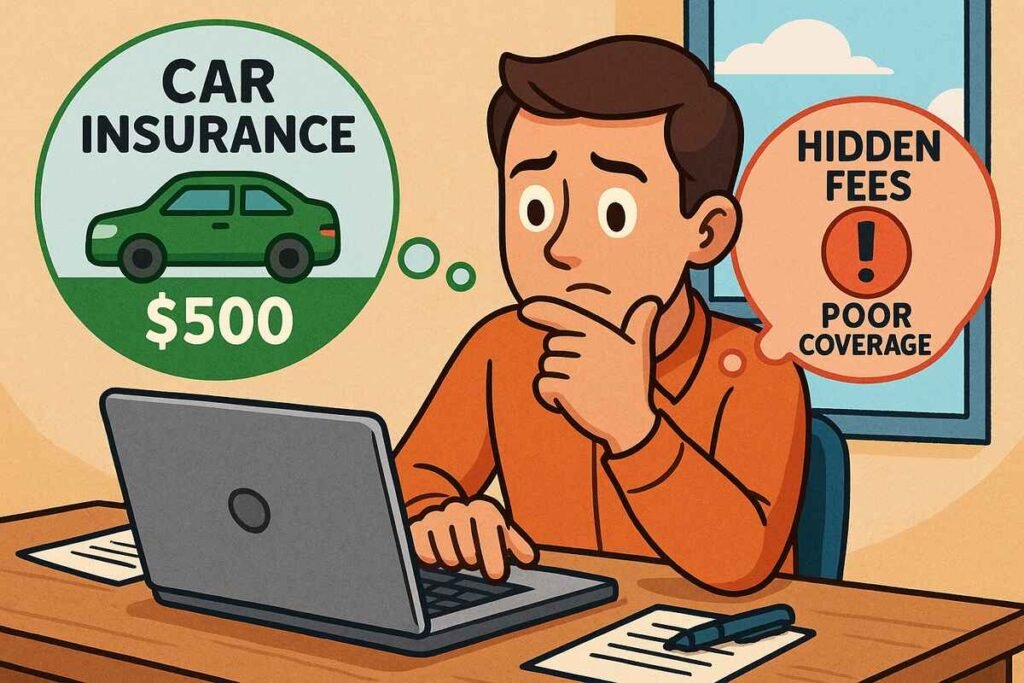
Shopping for car insurance can feel like a chore—but it’s one of the smartest financial moves you can make. According to Consumer Reports, drivers who compare multiple insurance quotes can save hundreds of dollars annually. Yet many fall into the trap of focusing only on the lowest advertised rate without checking the fine print. That’s where hidden fees, exclusions, and coverage gaps creep in.
This guide will walk you through how to compare cheap car insurance quotes the right way, ensuring you don’t sacrifice protection or fall victim to costly surprises.
1. Understand What’s Included in the Quote
Not all insurance quotes are created equal. One company’s “cheap” quote may exclude critical coverage that another includes.
Key coverage elements to verify:
- Liability coverage: Minimums vary by state, but you’ll want more than the bare minimum for real protection.
- Collision and comprehensive: Are they included or optional?
- Uninsured/underinsured motorist coverage: Protects you if the other driver has no insurance.
- Medical coverage (PIP or MedPay): Essential for accident-related medical expenses.
Tip: Always request a detailed breakdown so you can compare apples to apples.
2. Look Beyond the Premium: Check Deductibles and Limits
A cheap premium often comes with high deductibles or low coverage limits, which could cost you more later.
Example:
- Quote A: $80/month with a $1,000 deductible.
- Quote B: $95/month with a $500 deductible.
While Quote A looks cheaper, a single accident could mean paying twice as much out of pocket.
Takeaway: Balance affordability with realistic deductibles and adequate coverage limits.
3. Identify and Avoid Hidden Fees
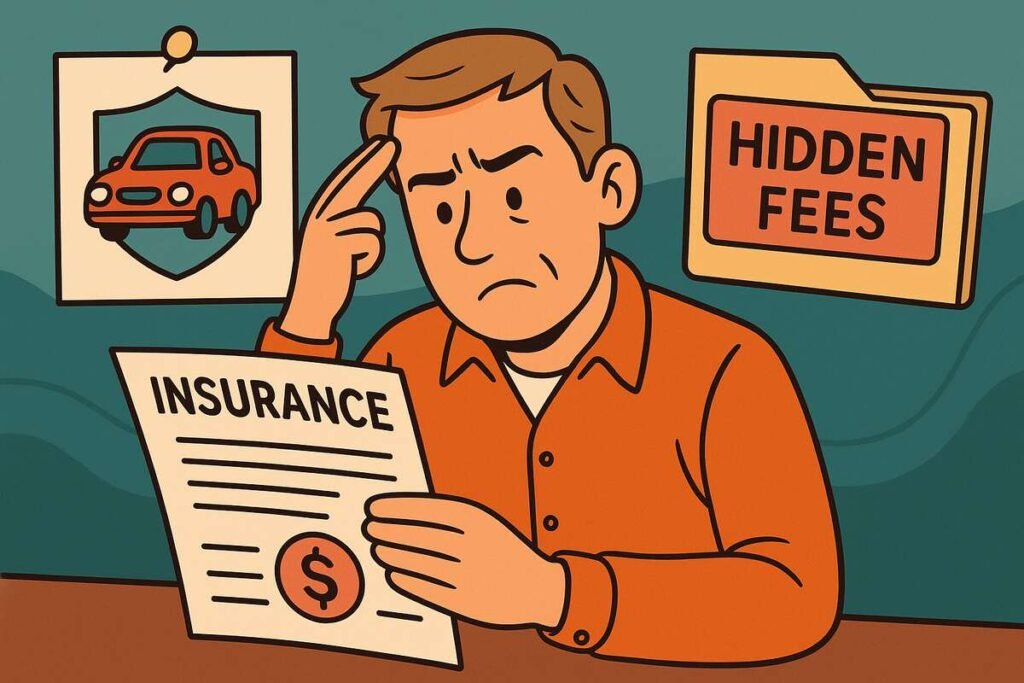
Many drivers overlook the fine print where hidden fees lurk. These extra charges can make a “cheap” policy far more expensive over time.
Common hidden fees include:
- Processing or setup fees when starting a new policy.
- Installment fees for paying monthly instead of annually.
- Cancellation penalties if you switch providers mid-policy.
- Administrative charges for late payments or policy adjustments.
Pro Tip: Ask insurers directly about all potential fees before committing.
4. Evaluate Discounts and Bundling Options
Discounts can make a huge difference in the overall cost of your policy. Sometimes a slightly higher base premium comes with better discounts that lower the total cost.
Popular discounts to check for:
- Safe driver discounts.
- Good student discounts.
- Multi-policy (home + auto) bundling.
- Low-mileage or telematics-based savings.
- Anti-theft or safety feature discounts.
According to NerdWallet, taking advantage of discounts can cut your premium by as much as 25%.
5. Research Insurer Reputation and Claims Process
A cheap policy is worthless if the insurer fails you when you need it most. Always research the company’s track record.
Ways to evaluate insurers:
- Check customer satisfaction scores from J.D. Power.
- Review financial stability ratings from AM Best.
- Read online reviews for claim-handling speed and fairness.
- Ask friends or colleagues about their experiences.
Case Study: John switched to a cheaper insurer but later struggled with a denied claim due to hidden exclusions. What he saved upfront cost him thousands in repairs.
Takeaway: The cheapest premium isn’t always the best value—service matters.
Real-Life Scenario: Comparing Two Quotes
Sarah, a driver in California, received two quotes:
- Insurer A: $900/year premium, $1,000 deductible, minimal add-ons.
- Insurer B: $1,050/year premium, $500 deductible, rental reimbursement, and roadside assistance included.
While Insurer A seemed cheaper, Sarah calculated that one accident could wipe out her savings. She chose Insurer B, ultimately saving money and stress.
6. Use Online Comparison Tools Wisely
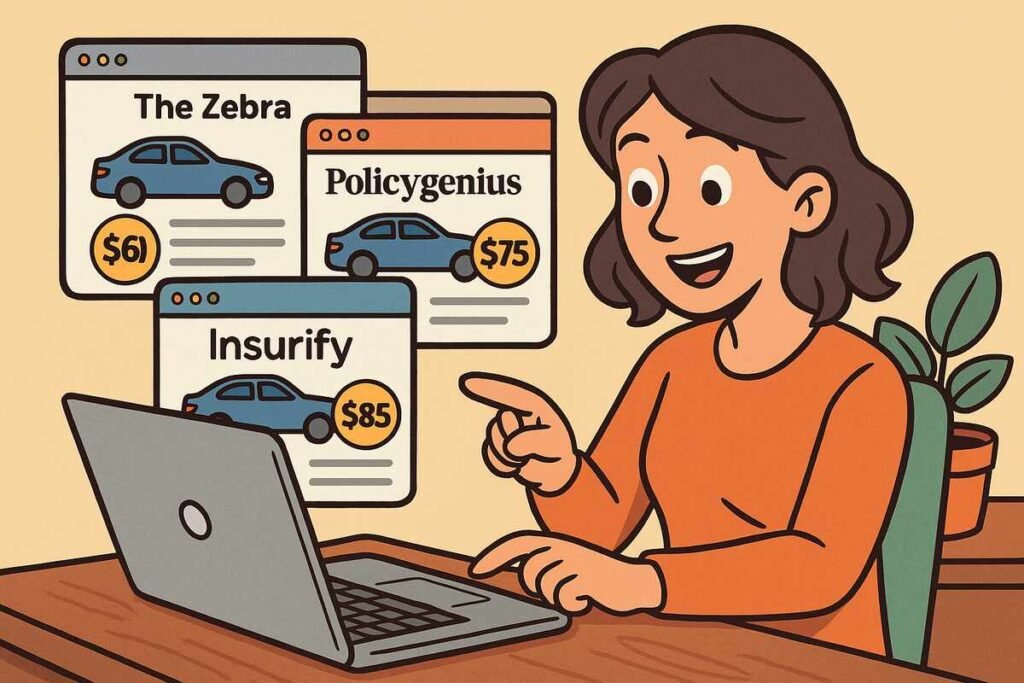
Websites like The Zebra, Policygenius, and Insurify make it easy to compare multiple quotes quickly. But remember:
- Not all insurers participate in these platforms.
- Quotes are often estimates—final rates may differ after underwriting.
- Always follow up with the insurer directly to confirm coverage details.
Pro Tip: Use these tools for initial research, then refine your choices with direct communication.
7. Reevaluate Annually
Car insurance needs change over time. Your driving habits, car value, or even your credit score may impact rates.
Checklist for annual review:
- Has your car depreciated significantly?
- Have you moved to a safer neighborhood?
- Do you qualify for new discounts?
- Are there new competitors in your state?
Regularly reviewing your policy ensures you’re never stuck overpaying.
Comparison Table: Key Quote Elements to Review
| Element | Why It Matters | Questions to Ask |
|---|---|---|
| Premium | Upfront cost of the policy | Is it sustainable long-term? |
| Deductible | Out-of-pocket cost per claim | Can I afford this if I crash tomorrow? |
| Coverage Limits | Max the insurer will pay | Does it protect my assets fully? |
| Fees | Adds to hidden costs | What penalties or admin charges apply? |
| Discounts | Lowers net premium | Do I qualify for multiple discounts? |
| Insurer Reputation | Reliability during claims | What do reviews and ratings say? |
Frequently Asked Questions About Comparing Car Insurance Quotes
1. How many quotes should I compare before choosing?
At least three to five quotes to get a realistic view of pricing and options.
2. Why are quotes from different insurers so different?
Each insurer uses unique risk models, factoring in age, driving history, location, and even credit.
3. Can switching insurers hurt my credit score?
No. Getting quotes involves a soft check that won’t affect your score.
4. Should I always go with the lowest premium?
Not necessarily. Look at coverage, deductibles, and service quality before deciding.
5. Is it worth using a broker or agent?
Yes, especially if you want personalized advice and help navigating exclusions or hidden fees.
Final Thoughts
Comparing car insurance quotes isn’t just about finding the lowest number—it’s about understanding what you’re really paying for. By carefully reviewing coverage details, deductibles, hidden fees, discounts, and insurer reputation, you can avoid nasty surprises and choose a policy that delivers true value.
Remember: The cheapest policy may cost more in the long run if it leaves you underinsured or bogged down by hidden charges.
If this guide helped you learn how to compare car insurance quotes wisely, share it with friends and family—and explore more financial tips on our blog.