

Why Choosing the Right Car Insurance Matters
How to Choose the Best Car Insurance Policy starts with recognizing that car insurance isn’t just a legal requirement—it’s a financial safety net that protects you, your passengers, and your vehicle. Yet with so many providers, policy types, and pricing options, picking the right coverage can feel overwhelming. According to the Insurance Information Institute, understanding your options and evaluating your personal needs is the key to getting both protection and value.
The good news? With some expert guidance, you can cut through the noise, compare your options wisely, and make a decision that saves money while keeping you secure on the road.
Here’s everything you need to know about how to choose the best car insurance policy for your needs.
Step 1: Understand the Core Types of Car Insurance Coverage
Insurance isn’t one-size-fits-all. Policies are made up of multiple types of coverage, each serving a unique purpose.
Essential coverages include:
- Liability Insurance: Covers costs if you cause damage or injury to others. Required in most states.
- Collision Coverage: Pays for your vehicle’s repairs after an accident, regardless of fault.
- Comprehensive Coverage: Protects against theft, vandalism, natural disasters, or hitting an animal.
- Personal Injury Protection (PIP): Covers medical expenses for you and your passengers.
- Uninsured/Underinsured Motorist Coverage: Protects you if the other driver doesn’t have enough insurance.
Expert tip: Many experts recommend at least liability plus collision and comprehensive for balanced protection. (NerdWallet)
Step 2: Assess Your Personal Needs
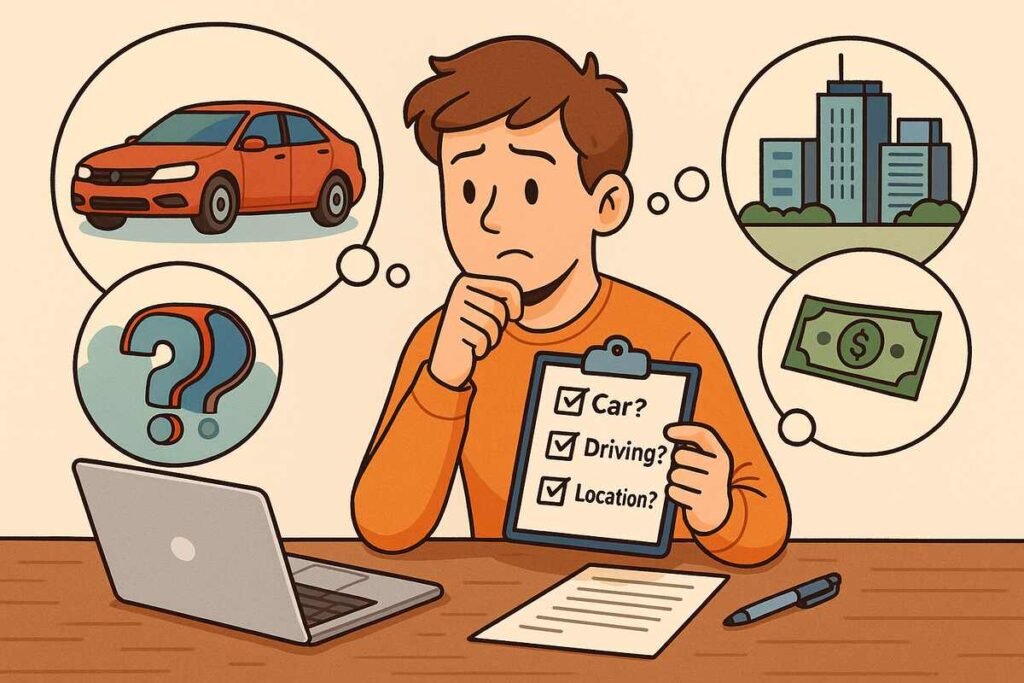
Your ideal policy depends on more than just the minimum state requirements.
Factors to consider:
- Car value: A new or leased car often requires full coverage; an older car may not.
- Driving habits: Long commutes or frequent road trips increase accident risk.
- Location: Urban drivers may face higher theft and accident risks compared to rural areas.
- Budget: Higher deductibles lower your premium, but increase out-of-pocket expenses after an accident.
Case in point: A college student with a 10-year-old car might opt for liability-only coverage, while a family with a new SUV should prioritize full protection.
Step 3: Compare Quotes From Multiple Providers
Never settle for the first policy you see. Prices can vary dramatically for the same coverage.
How to shop smart:
- Request at least 3–5 quotes from different insurers.
- Compare not only the price but also coverage limits and deductibles.
- Use online comparison tools (like The Zebra or Policygenius) for quick insights.
According to Consumer Reports, comparing providers can save drivers hundreds of dollars annually.
Step 4: Check the Insurer’s Reputation
Price isn’t everything—reliability matters when it’s time to file a claim.
Key indicators of insurer quality:
- Customer service ratings from J.D. Power or Better Business Bureau.
- Financial stability scores from AM Best.
- Claim satisfaction reviews from real customers.
Tip: An insurer that handles claims quickly and fairly may be worth paying a bit more.
Step 5: Look for Discounts and Savings Opportunities
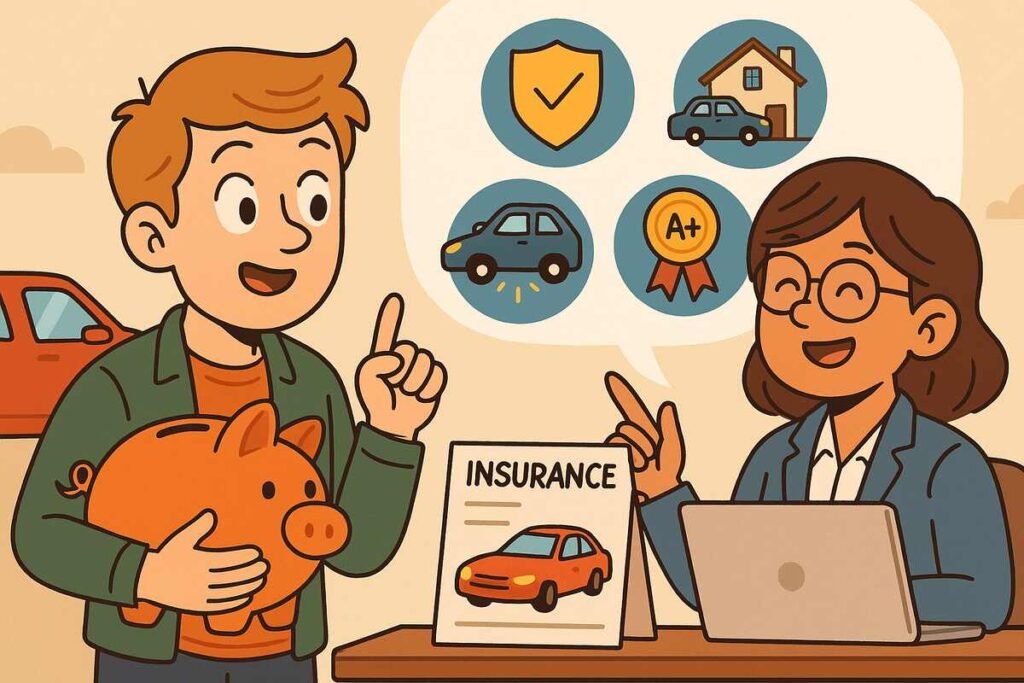
Many insurers offer discounts that can significantly reduce your premium.
Common discounts include:
- Safe driver discounts
- Bundling home and auto policies
- Low-mileage discounts
- Good student discounts
- Anti-theft device discounts
Ask each insurer which discounts you qualify for, and factor those into your decision.
Step 6: Understand Policy Fine Print
Always read the details before signing.
Key questions to ask:
- What exactly does the deductible cover?
- Are roadside assistance and rental reimbursement included?
- Are there coverage exclusions for natural disasters or out-of-state accidents?
Avoid surprises by clarifying terms early.
Expert Advice: Balancing Cost and Coverage
Experts agree the best car insurance isn’t necessarily the cheapest—it’s the one that provides adequate protection at a fair price.
Real-Life Example: Two Drivers, Two Outcomes
- Driver A chose the cheapest liability-only coverage to save money. After a major accident, they faced thousands in out-of-pocket costs.
- Driver B paid slightly more for comprehensive and collision coverage. When their car was stolen, insurance covered replacement costs, preventing financial disaster.
The lesson? Don’t focus solely on the monthly premium—consider long-term protection.
Advanced Tips for Maximizing Value
- Adjust deductibles strategically: Higher deductibles lower premiums, but ensure you can cover the out-of-pocket expense.
- Bundle policies: Combining car insurance with renters or homeowners insurance often cuts costs.
- Reevaluate annually: Your driving habits and car’s value change over time—so should your coverage.
- Ask about telematics: Usage-based programs reward safe drivers with discounts.
Frequently Asked Questions About Car Insurance Policies
1. How much car insurance coverage do I really need?
It depends on your financial situation, car value, and risk tolerance. Experts recommend more than state minimums.
2. Should I get collision coverage for an old car?
If the car’s value is very low, collision may not be worth the cost.
3. What’s the difference between comprehensive and collision coverage?
Collision covers crash damage; comprehensive covers theft, weather, and other non-crash incidents.
4. How often should I shop for new insurance?
At least once a year—premiums and discounts change regularly.
5. Is it bad to switch insurers frequently?
No. As long as there’s no coverage gap, switching can help you save money.
Final Thoughts: How to Choose the Best Car Insurance Policy…
Choosing the best car insurance policy doesn’t have to be stressful. By understanding coverage types, assessing your needs, comparing quotes, and evaluating insurers’ reputations, you can make a confident decision that balances protection and affordability.
Remember: the cheapest policy isn’t always the best. Aim for peace of mind knowing you’re protected when it matters most.
If this article helped you understand car insurance better, share it with friends or family who are shopping for coverage—and explore more expert tips on our blog.