
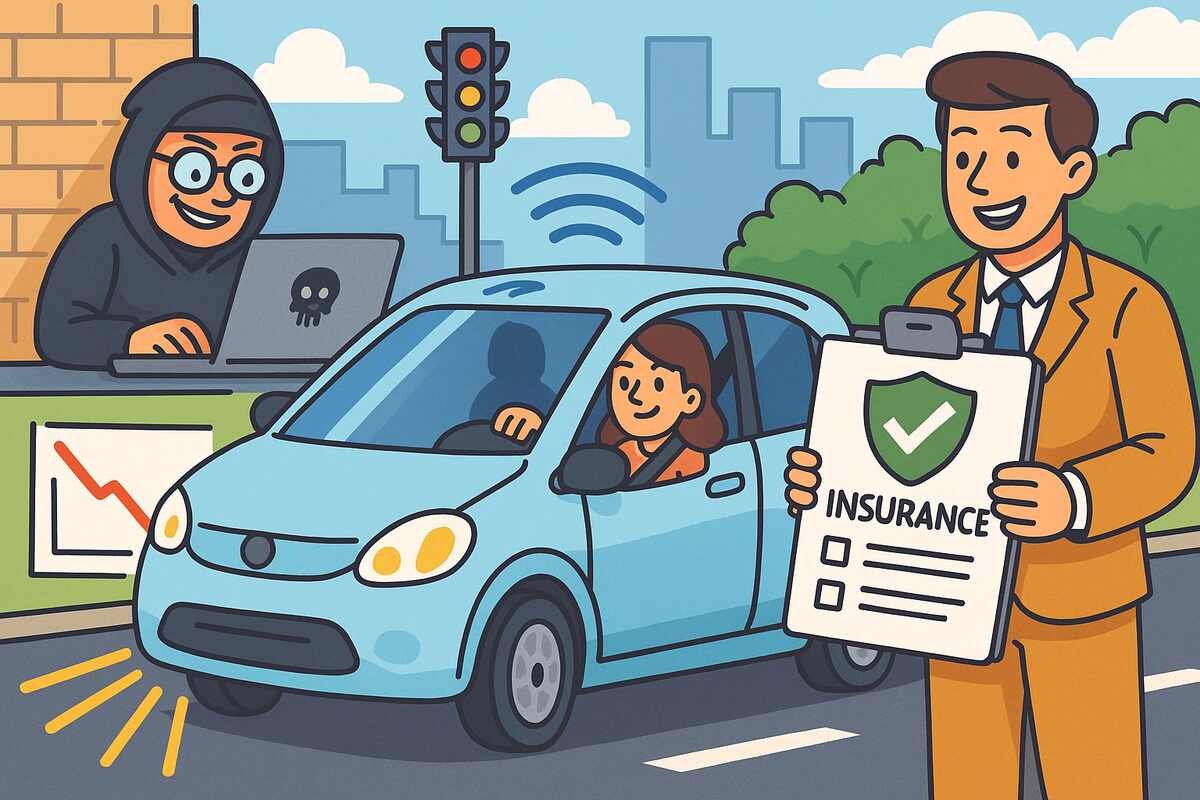

Why Autonomous Cars Are Disrupting the Insurance Industry
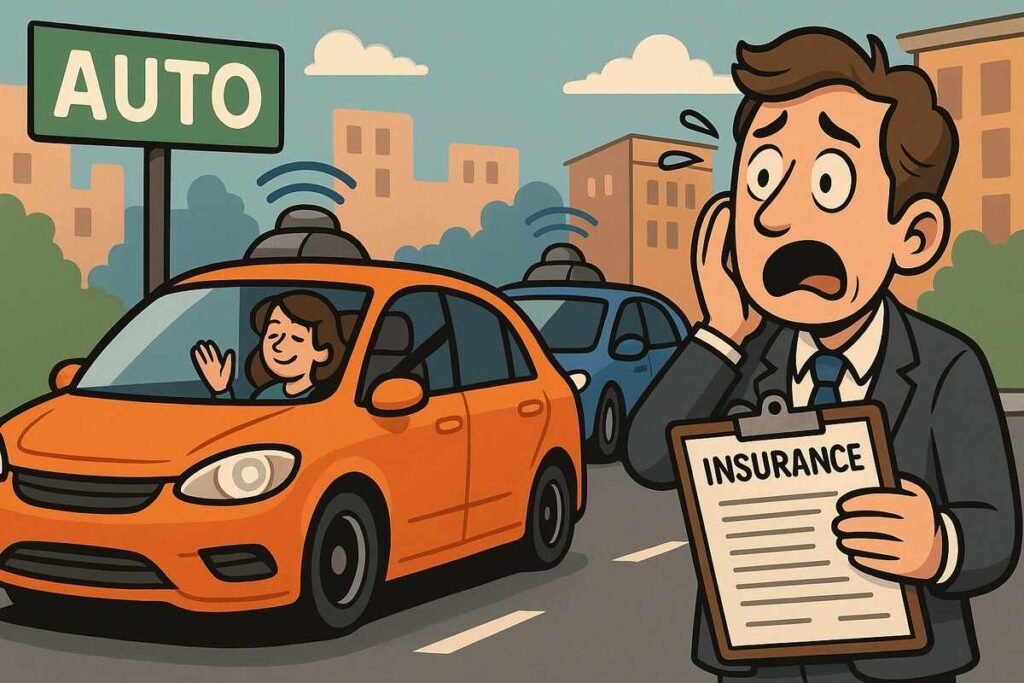
Autonomous cars, once a futuristic dream, are rapidly becoming a reality. Companies like Tesla, Waymo, and GM Cruise are pushing forward with self-driving technology, reshaping how we think about mobility and road safety. But one of the biggest ripple effects is on insurance rates—and the entire auto insurance industry. According to McKinsey, autonomous technology could reduce accident frequency by as much as 90% once adoption reaches maturity.
This shift creates both opportunities and challenges for drivers, insurers, and policymakers. Let’s dive into how autonomous cars are changing insurance rates, and what it means for you as a driver.
1. Fewer Accidents, Lower Premiums
The main promise of autonomous vehicles (AVs) is safety. Human error accounts for over 90% of road accidents, according to the National Highway Traffic Safety Administration. With autonomous systems reducing distracted driving, impaired driving, and speeding, fewer accidents are expected.
Impact on rates:
- Lower accident frequency means fewer claims.
- Insurers may reduce premiums, especially for fully autonomous models.
- Long-term, widespread adoption could make liability costs significantly cheaper.
Takeaway: As AV adoption grows, premiums for human-driven cars may remain higher compared to safer autonomous models.
2. Shift in Liability: From Drivers to Manufacturers
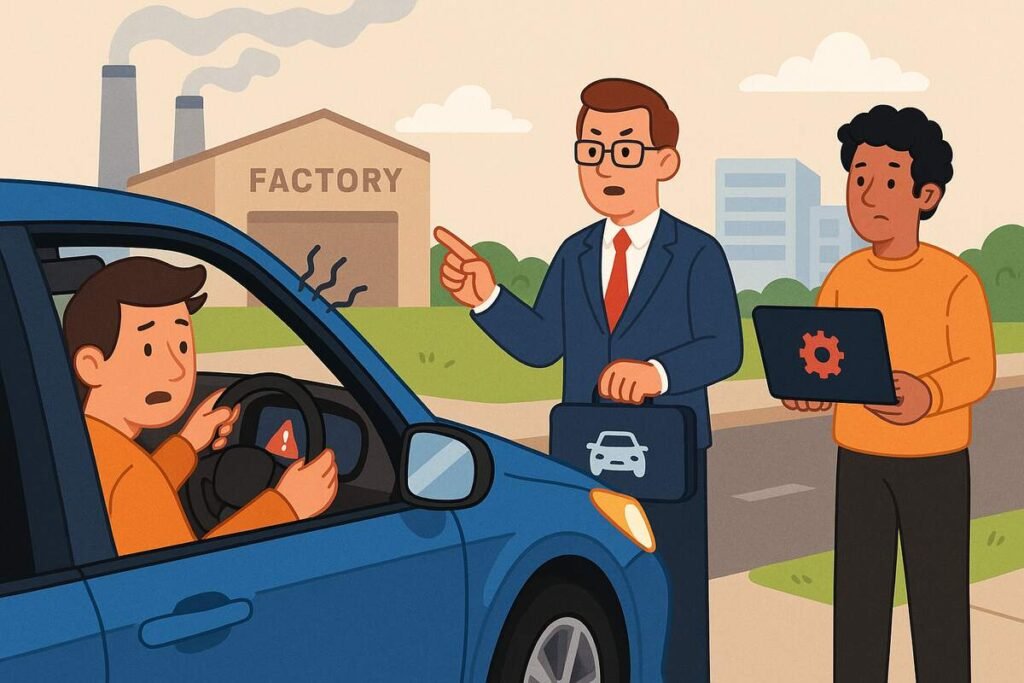
Traditional car insurance assumes drivers are responsible for accidents. But with self-driving cars, liability may shift to automakers, software developers, or even third-party suppliers.
Changes ahead:
- Policies may need to cover product liability instead of personal liability.
- Automakers could partner directly with insurers to offer integrated coverage.
- New legal frameworks will redefine accountability when accidents occur.
Case Study: In 2018, Uber’s self-driving test vehicle was involved in a fatal crash. Questions arose over whether the backup driver, Uber, or the tech provider was liable. Such cases highlight the complexity of insurance in the autonomous era.
3. Repair Costs May Increase Premiums in the Short Term
While accidents may decrease, the cost of repairing advanced sensors, lidar systems, and cameras is much higher than fixing traditional vehicles.
Consequences:
- Minor fender-benders could cost thousands due to damaged sensors.
- Insurers may initially raise premiums for autonomous cars to offset these costs.
- Premium reductions will only come once data shows significant savings in accident-related claims.
Example: A Tesla Model 3 bumper replacement can cost upwards of $1,000 more than a traditional vehicle due to sensor recalibration needs.
4. Personalized Insurance Through Telematics
Autonomous vehicles generate massive amounts of driving data. Insurers can leverage this to offer more personalized policies.
Benefits for drivers:
- Safer drivers (or vehicles with fewer system overrides) may qualify for discounts.
- Usage-based pricing (pay-per-mile or pay-how-you-drive) will expand.
- Real-time monitoring ensures fairer premiums aligned with actual risk.
Pro Insight: According to Deloitte, data-sharing agreements between automakers and insurers will be critical for these models to succeed.
5. Hybrid Roads Create Two-Tier Premiums
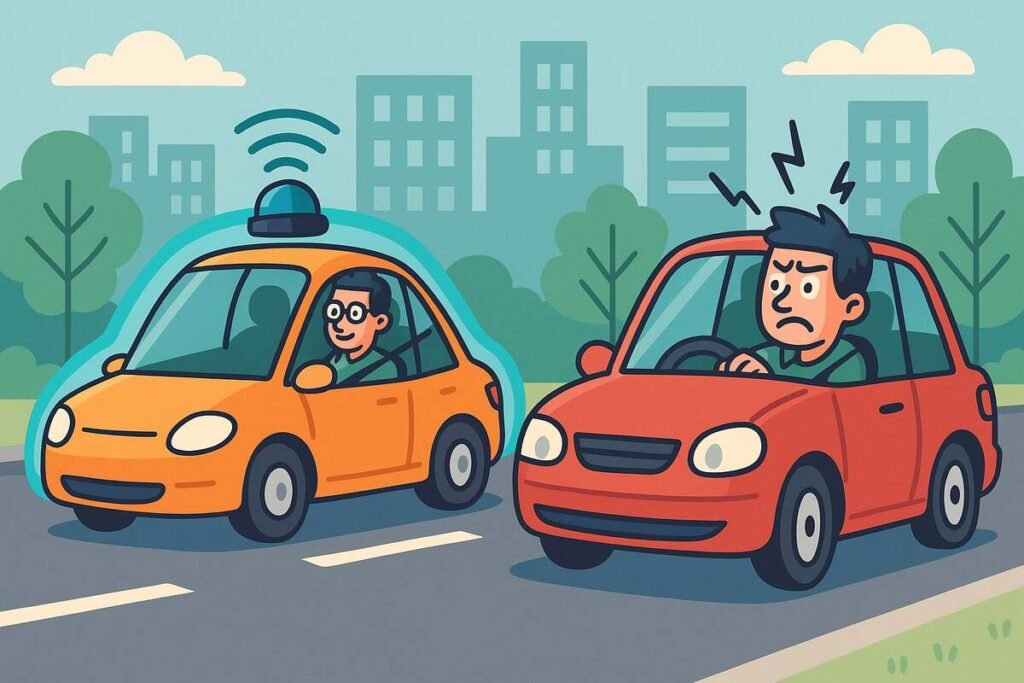
For decades, roads will be shared by both autonomous and human-driven cars. This hybrid environment introduces unique risks.
Insurance implications:
- Human-driven cars will likely pay higher premiums due to greater accident risk.
- Autonomous cars in mixed traffic may still face higher rates until adoption scales.
- As AV penetration grows, premiums for traditional vehicles may skyrocket compared to autonomous ones.
Takeaway: The transition period may create the largest disparities in insurance pricing history.
Real-Life Scenario: Early Adopters vs. Traditional Drivers
- Case A: Sarah buys a Level 4 autonomous vehicle in 2026. While her upfront premium is slightly higher due to sensor repair costs, she benefits from discounts on liability coverage. Within five years, her premiums drop significantly as accident data confirms reduced risk.
- Case B: John sticks with his 2015 gas-powered sedan. Initially, his premiums remain steady, but as more drivers switch to AVs, insurers see higher risk in traditional vehicles. John’s premiums rise by nearly 30% over the same period.
Frequently Asked Questions About Autonomous Cars and Insurance
1. Will car insurance disappear with autonomous vehicles?
No. While liability may shift, insurance will still be necessary for theft, natural disasters, and personal coverage.
2. Who pays if an autonomous car causes an accident?
Liability may shift to manufacturers or software providers, but legal frameworks are still evolving.
3. Are autonomous cars cheaper to insure right now?
Not always. Repair costs for high-tech parts can make premiums more expensive in the short term.
4. Will insurers have access to my driving data?
Likely yes, through agreements with automakers. Transparency and privacy will be key issues.
5. When will we see major premium reductions?
Experts predict significant decreases once AVs represent a large share of cars on the road, likely in the 2030s.
Expert Advice: How to Prepare as a Driver
- Stay informed: Insurance rules are evolving quickly review your policy annually.
- Embrace telematics: Early adoption of usage-based programs can reduce costs.
- Factor repair costs: Budget for higher premiums in the short term if buying an autonomous vehicle.
- Compare policies carefully: Not all insurers will adapt at the same pace.
- Watch legislation: Federal and state policies will play a big role in shaping liability rules.
Final Thoughts
Autonomous cars are reshaping not just how we drive but how we insure. While premiums may initially rise due to high repair costs, the long-term outlook points to significant savings thanks to fewer accidents and liability shifts. The insurance landscape is on the brink of transformation, and drivers who stay informed will be best positioned to save money and adapt to new models.
If this article gave you clarity about the future of car insurance, share it with friends and colleagues—and explore more insights on our blog.