
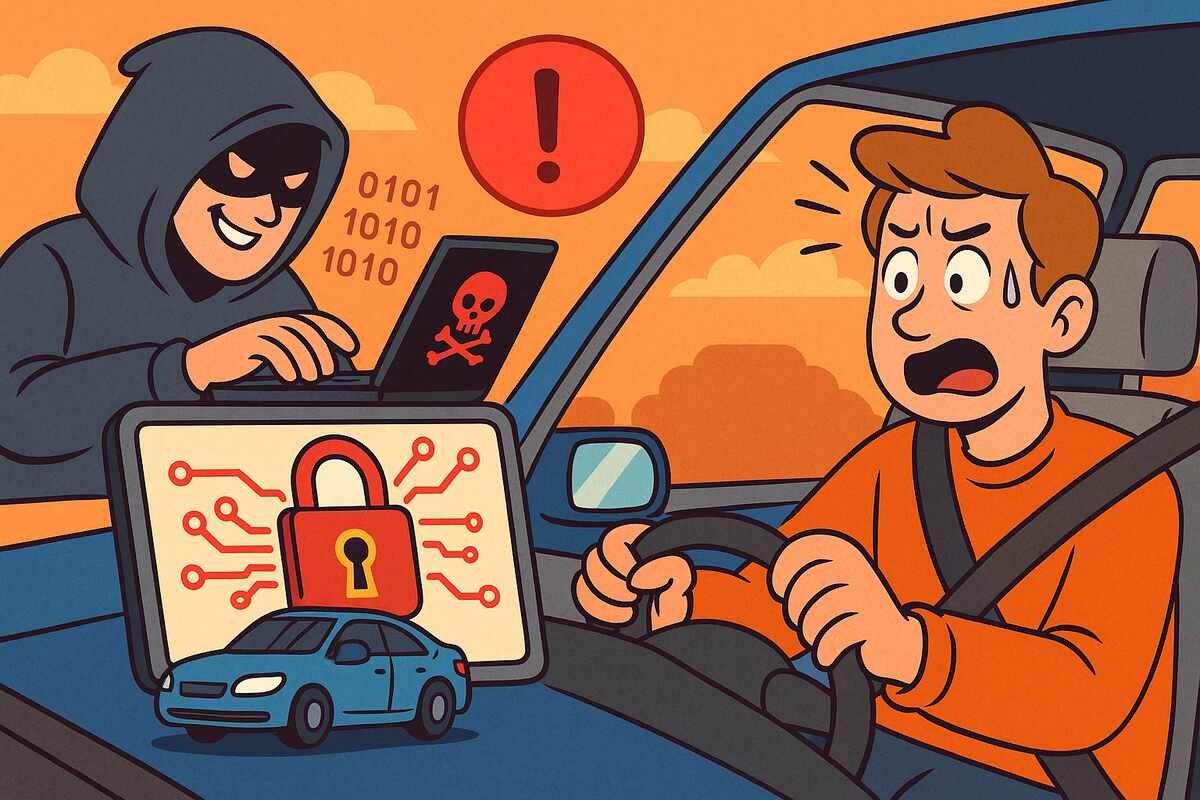

Why Cybersecurity Matters for Drivers
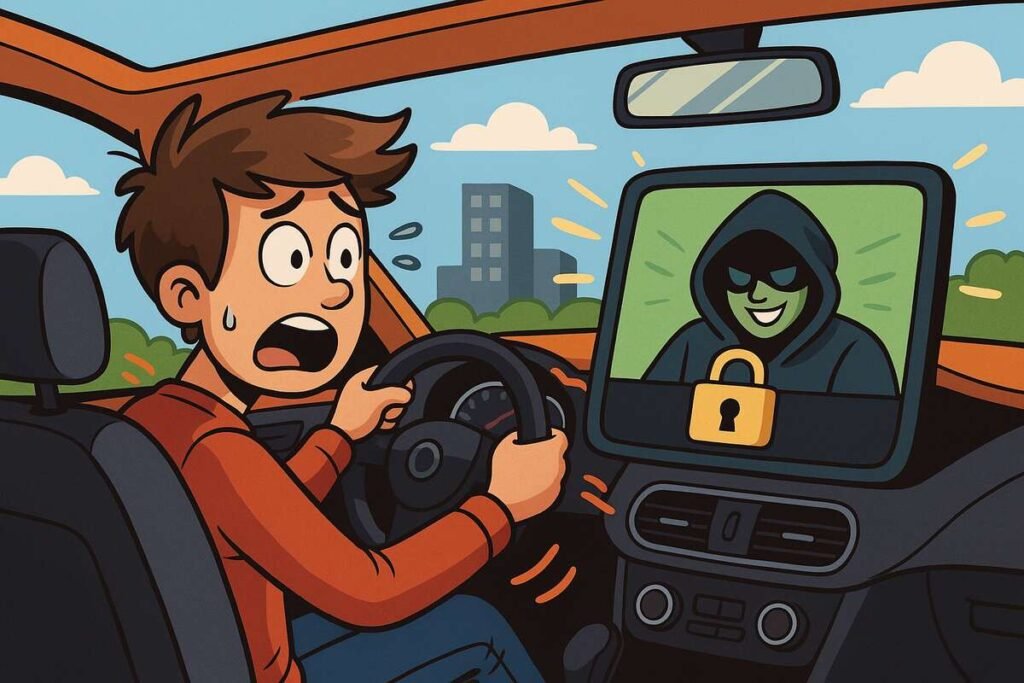
Cars today aren’t just machines—they’re computers on wheels. From GPS systems to Bluetooth connections and even self-driving features, vehicles are increasingly digital. But with these advances comes a hidden risk: cyberattacks. Hackers can exploit connected car systems to steal personal data, disable safety features, or even take control remotely.
That’s where cybersecurity protection in car insurance policies comes in. As vehicles become smarter, insurers are beginning to offer coverage that protects you from cyber risks. According to the National Association of Insurance Commissioners (NAIC), understanding these policies is critical for modern drivers.
What Is Cybersecurity Protection in Car Insurance?
Cybersecurity protection in car insurance is a specialized add-on or feature designed to cover losses caused by cyberattacks on your vehicle’s digital systems. This can include hacking, ransomware attacks, or theft of personal information through connected car features.
What it typically covers:
- Costs of repairing compromised vehicle systems.
- Recovery of stolen personal data.
- Legal fees if sensitive information is leaked.
- Compensation for financial losses due to cyber fraud.
- Assistance with restoring hacked navigation or infotainment systems.
Example: If a hacker disables your car’s ignition system remotely, forcing you to tow it for reprogramming, cybersecurity coverage could help cover the costs.
Why Is It Becoming More Important?
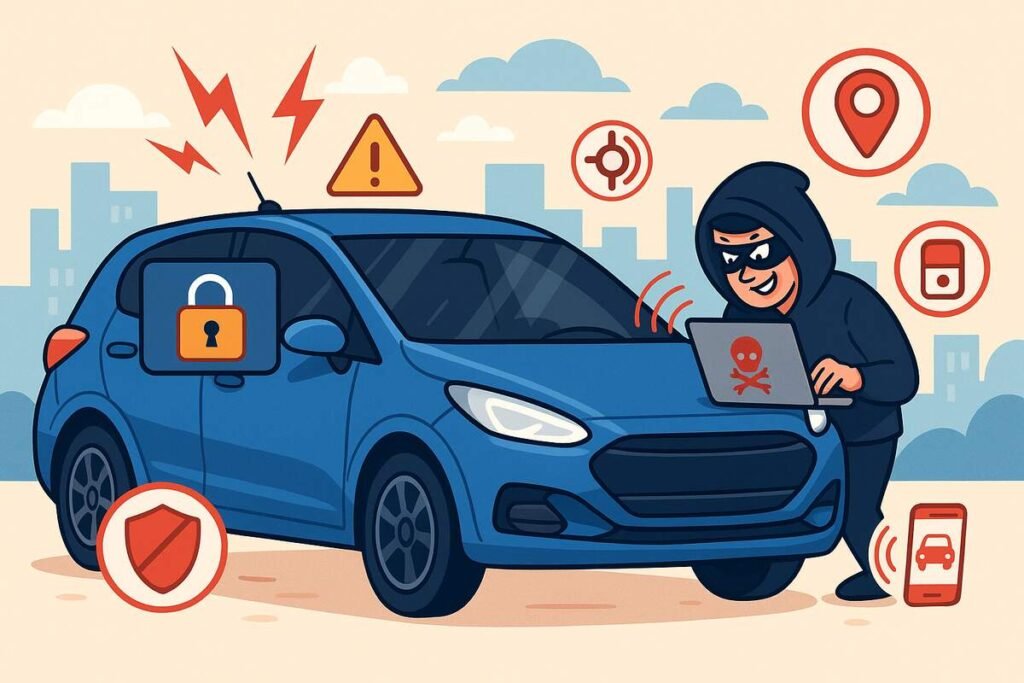
The rise of connected cars and electric vehicles has increased vulnerability to cybercrime. According to a CISA report, attacks on connected cars are expected to rise as technology adoption grows.
Key risks include:
- Theft of vehicle location and personal data.
- Remote control of braking or steering systems.
- Disabling of anti-theft or alarm systems.
- Fraud through mobile apps linked to your car.
Real-life case: In 2015, cybersecurity researchers demonstrated how they could remotely control a Jeep Cherokee, cutting its transmission on the highway. This experiment forced Fiat Chrysler to recall 1.4 million vehicles for a security patch.
Which Insurers Offer Cybersecurity Coverage?
Not all insurers include cybersecurity protection, but more are starting to adapt. Some major providers are piloting or offering add-ons:
- Allianz: Offers cyber protection for digital systems in vehicles.
- Axa: Provides cyber risk coverage in select markets.
- Progressive and State Farm: Exploring new policy models for connected vehicles.
- Specialized insurers: Smaller companies in Europe and Asia are leading the way in cyber auto coverage.
Tip: Always ask your insurer if they include cyber coverage or offer it as an add-on. Policies vary widely.
How Does Cybersecurity Protection Differ from Standard Coverage?
Traditional car insurance covers physical accidents, theft, and liability. Cyber protection is different because it deals with digital risks.
| Coverage Type | What It Protects |
|---|---|
| Liability Insurance | Injuries or damages you cause to others |
| Collision Insurance | Repairs to your vehicle after an accident |
| Comprehensive Insurance | Theft, fire, vandalism, natural disasters |
| Cybersecurity Coverage | Hacks, data theft, cyber fraud, system disablement |
Example: If someone steals your car’s physical keys and drives off, comprehensive coverage applies. But if someone hacks your car’s app and unlocks it remotely, that’s where cybersecurity protection steps in.
Benefits of Cybersecurity Protection in Policies
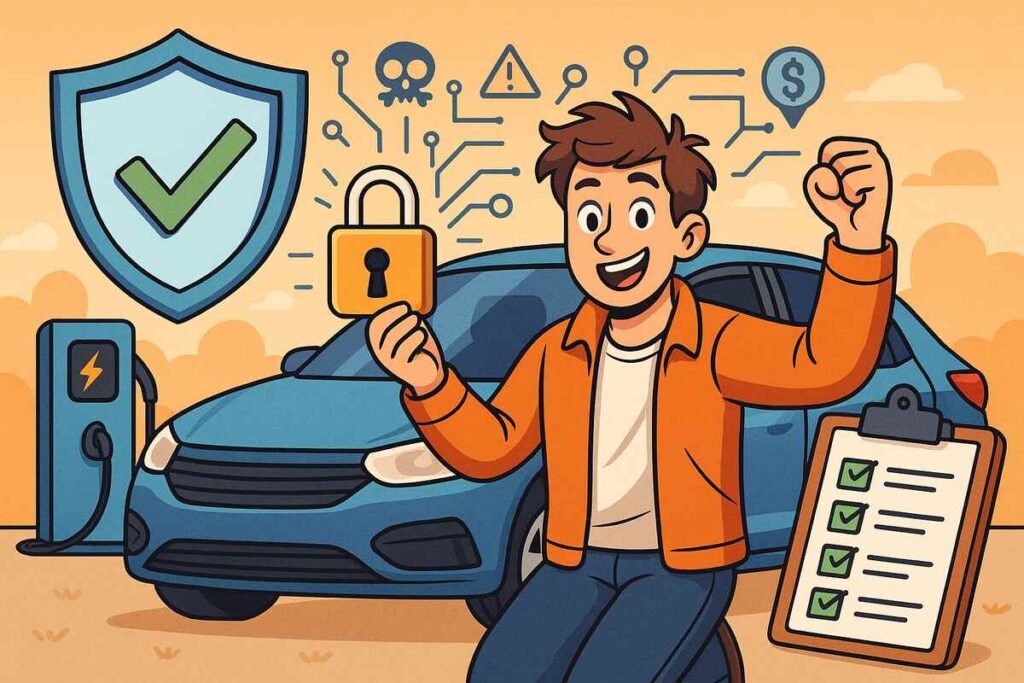
- Peace of mind: Protects against modern risks.
- Financial security: Covers unexpected cyberattack costs.
- Future-ready protection: As cars become smarter, this coverage keeps you safe.
- Enhanced safety: Prevents compromised digital systems from putting passengers at risk.
Real-life example: Imagine parking your EV at a charging station only to find later that your payment app was hacked and used for fraudulent transactions. Cyber protection could cover those losses.
What to Consider Before Adding Cybersecurity Coverage
- Cost vs. benefit: Cyber add-ons may cost an extra $50–$150 per year, depending on the insurer.
- Car type: EVs and luxury cars with advanced tech benefit the most.
- Driving habits: If you frequently use connected apps or smart features, your risk is higher.
- Insurer reliability: Look for providers with strong cyber claims support.
Practical Steps to Protect Your Car Beyond Insurance
Even with coverage, prevention is key. The FBI recommends proactive steps to minimize risk:
- Keep your vehicle software updated.
- Use strong, unique passwords for mobile apps linked to your car.
- Avoid connecting to unsecured public Wi-Fi networks.
- Disable features you don’t use, like remote start or location sharing.
- Regularly review your car’s digital security settings.
Frequently Asked Questions About Cybersecurity Protection in Car Insurance
1. Is cybersecurity protection included in all car insurance policies?
No, it’s usually offered as an add-on or special feature.
2. Does cyber coverage increase premiums significantly?
It may add a small cost, but the protection against high-risk scenarios is often worth it.
3. Can hackers really control my car remotely?
Yes. Studies and real incidents prove it’s possible, especially in connected vehicles.
4. Do electric cars need cybersecurity coverage more?
Yes, because they rely heavily on digital systems and remote software updates.
5. How can I protect my car from cyberattacks besides insurance?
Regularly update your vehicle software, use secure passwords for connected apps, and disable unused connectivity features.
6. Does cybersecurity coverage replace comprehensive insurance?
No. It complements existing coverage by protecting against digital—not physical—risks.
7. Is cyber coverage available worldwide?
It’s more common in Europe and Asia, but U.S. insurers are beginning to offer it as demand rises.
Final Thoughts
As cars evolve, so do the risks of owning them. Cybersecurity protection in car insurance policies isn’t just a luxury—it’s fast becoming a necessity. By adding cyber coverage, you can protect yourself against financial losses, safeguard your personal data, and drive with greater peace of mind.
In the coming years, as self-driving and fully connected vehicles become mainstream, cybersecurity protection will likely be as standard as collision or liability insurance. Staying informed now ensures you’ll be ready for the future.
If this article helped you understand the future of car insurance, share it with your friends and explore more guides on our blog.