

Why Car Insurance Is Critical for Gig Economy Drivers
Car Insurance Trends matter whether you’re driving for Uber, Lyft, DoorDash, or Amazon Flex—your car is more than transportation; it’s your livelihood. But many gig workers underestimate the complexities of car insurance when using their vehicle for commercial purposes. A standard personal auto policy often doesn’t cover accidents that happen while you’re on the job. Without proper coverage, one fender-bender could mean losing your income, paying thousands out of pocket, or even facing policy cancellation.
According to a Forbes Advisor report, nearly 30% of rideshare drivers still rely on personal policies alone, unaware that their insurer could deny claims during active trips. The growing gig economy has pushed insurance providers to innovate with specialized products that bridge the gap between personal and commercial use.
In this guide, we’ll explore key car insurance trends for gig workers and rideshare drivers, helping you stay protected and compliant while maximizing savings.
1. Rise of Hybrid Policies for Gig Workers
Best for: Rideshare and delivery drivers seeking all-in-one coverage.
Traditional personal insurance covers commuting, but once you turn on your rideshare app, the risk category changes—and so does your coverage need. In the past, drivers had to purchase separate commercial insurance, which was costly. Now, insurers are introducing hybrid policies designed specifically for gig economy drivers.
Top Providers Offering Hybrid Coverage:
Example: Maria, a part-time Uber driver, upgraded to State Farm’s hybrid policy. It covered her during personal driving and while waiting for ride requests—previously an uninsured “gray zone.” The added coverage only cost $18 more per month.
Pro Tip: Always ask your insurer if their rideshare endorsement covers all driving phases—waiting, en route, and with passengers.
Takeaway: Hybrid policies offer peace of mind without doubling your premiums.
2. Expansion of Pay-Per-Mile and Usage-Based Insurance (UBI)
Best for: Delivery drivers with flexible schedules or part-time gigs.
Many gig workers don’t drive full-time, making traditional policies inefficient. Usage-Based Insurance (UBI) and Pay-Per-Mile plans adjust premiums based on how much and how safely you drive.
Key Providers:
- Metromile — Ideal for low-mileage gig workers.
- Progressive Snapshot — Tracks driving habits for potential discounts.
- Allstate Drivewise — Rewards safe and consistent drivers.
Example: Kevin, a DoorDash driver, used Metromile and saved nearly $500 yearly because his delivery shifts only totaled about 6,000 miles annually.
Pro Tip: Look for telematics programs that track both mileage and safe-driving behaviors for additional savings.
Takeaway: Paying for only what you use makes coverage affordable for part-time gig workers.
3. Inclusion of Delivery Coverage for Food and Package Drivers
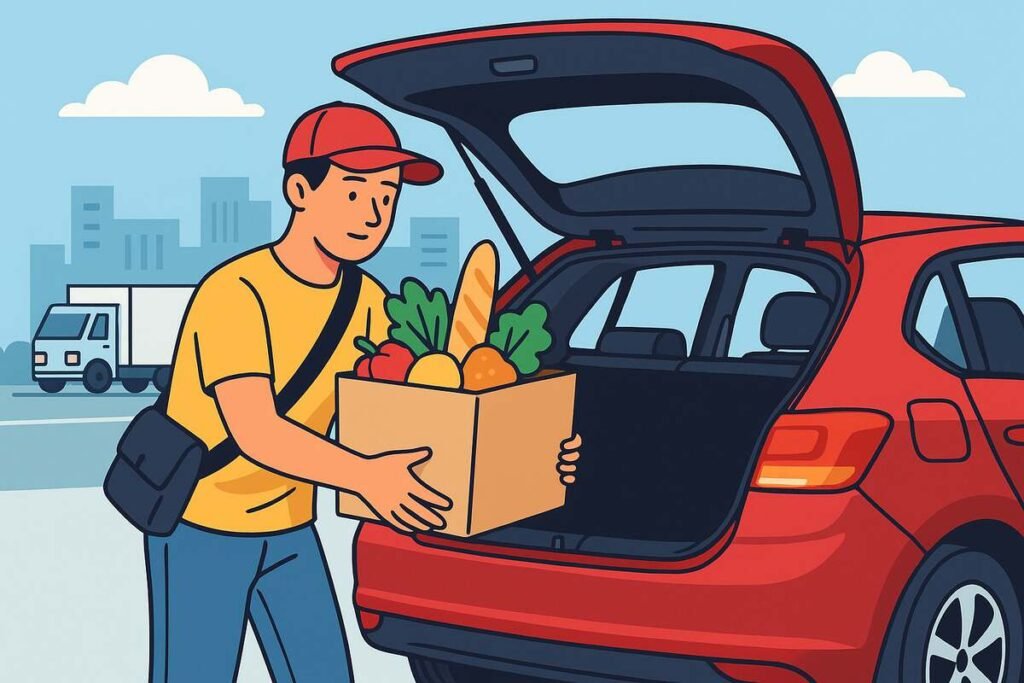
Best for: Drivers for DoorDash, Uber Eats, Amazon Flex, or Instacart.
Most personal policies exclude commercial deliveries. However, insurers are now recognizing the surge in delivery-based work and are offering specific delivery endorsements to close this gap.
How It Works:
- Adds limited commercial coverage to your personal policy.
- Protects you while delivering food, groceries, or packages.
- Fills coverage gaps left by company-provided insurance.
Example: Rachel delivered for Uber Eats and assumed she was covered under Uber’s policy. After a minor accident while en route to a restaurant, she learned Uber’s policy only covered active deliveries—not travel between orders. Her insurer now offers delivery coverage for just $10/month.
Pro Tip: Always verify which stages of delivery are covered pickup, en route, and drop-off.
Takeaway: Don’t assume platform insurance covers everything it rarely does.
4. Better Transparency from Rideshare Companies
Best for: Full-time gig drivers relying on company-provided insurance.
Rideshare giants like Uber and Lyft now publish clearer insurance details, outlining what’s covered at each phase of a trip:
| Phase | App Status | Insurance Coverage |
|---|---|---|
| 1 | App off | Personal insurance only |
| 2 | App on, waiting for ride | Limited liability from company |
| 3 | En route to passenger | Full liability + contingent collision |
| 4 | Passenger in car | Full coverage from company |
Example: Lyft’s insurance provides up to $1 million in liability coverage during Phases 3 and 4—but minimal protection during Phase 2. That’s where hybrid or supplemental coverage becomes critical.
Pro Tip: Keep proof of both your personal and rideshare insurance in your vehicle to avoid claim delays.
Takeaway: Knowing your coverage phases prevents expensive surprises.
5. Emphasis on Telematics and Driver Data
Best for: Drivers focused on safety and rewards.
Telematics—the use of GPS and sensors to track driving habits—has revolutionized insurance pricing. For gig drivers, telematics programs now evaluate:
- Speed consistency.
- Braking intensity.
- Time of day driven.
- Route patterns and idle time.
Example: Using Allstate Drivewise, Mark earned 25% off his renewal premium after six months of safe driving metrics.
Pro Tip: Telematics programs not only offer discounts but also provide safety feedback—helping you improve your performance and reduce risk.
Takeaway: Data-driven driving means lower costs and safer roads.
6. New Discounts for Eco-Friendly and Electric Vehicles
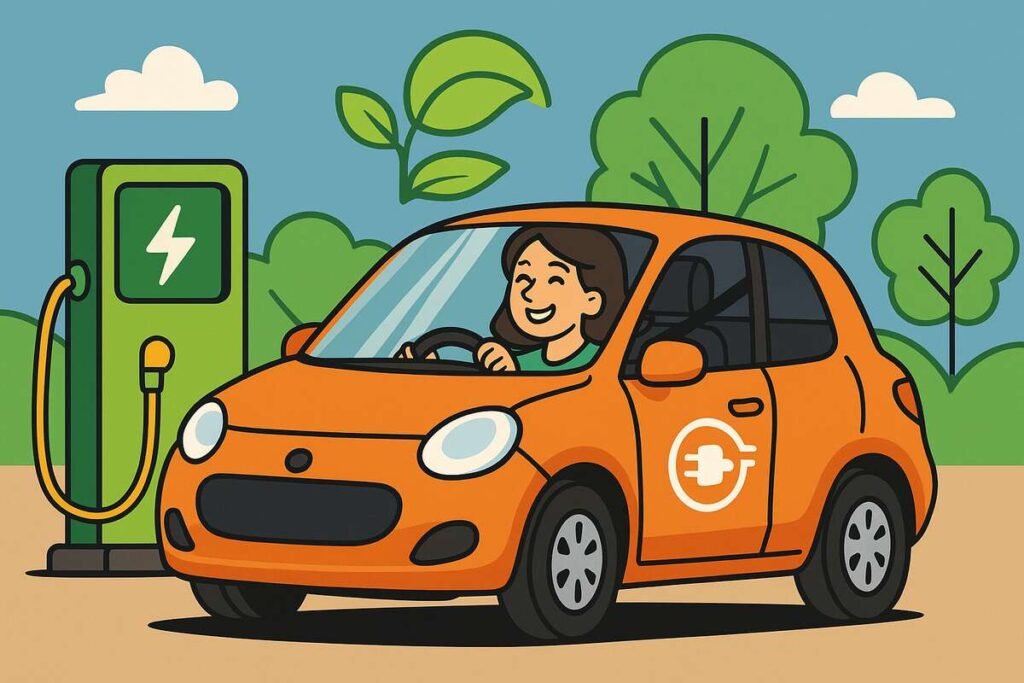
Best for: Gig drivers transitioning to electric or hybrid vehicles.
As delivery and rideshare industries move toward sustainability, insurers are rewarding eco-conscious drivers with green discounts. Many carriers now provide incentives for low-emission vehicles and hybrids.
Leading Examples:
- GEICO Green Vehicle Discount — Available for hybrid and electric cars.
- Progressive Snapshot Eco Mode — Rewards lower idling and efficient routes.
- Allstate EcoCar Discount — Focuses on environmentally friendly models.
Example: Priya, an Uber driver with a Toyota Prius, qualified for a 10% discount on her policy under GEICO’s eco-friendly initiative.
Pro Tip: Combine EV discounts with utility company rebates for maximum savings.
Takeaway: Driving green isn’t just good for the planet—it’s good for your wallet too.
7. Growth of Insurance Options for Multi-Platform Drivers
Best for: Drivers juggling multiple gig apps.
Many drivers now mix rideshare and delivery work, using platforms like Uber, Lyft, and Instacart interchangeably. This multi-platform model has led to customized multi-use policies that cover all forms of gig driving under one plan.
Example: Javier drives for Uber, DoorDash, and Amazon Flex. His insurer offered a single hybrid plan that covers both passenger and delivery trips, eliminating overlapping coverage costs.
Pro Tip: Ask your insurer about cross-platform coverage to avoid duplicate payments and coverage gaps.
Takeaway: One comprehensive policy simplifies your gig life and saves money.
Real-Life Story: From Underinsured to Fully Protected
When Elena started delivering groceries full-time, she assumed her personal car insurance covered her. After a parking lot accident, her claim was denied—her insurer cited “commercial use.” Shocked, she upgraded to Allstate’s Ride for Hire endorsement and now pays just $22 more monthly for complete protection. She’s since encouraged her gig-driving friends to review their coverage, too.
Lesson: The right policy isn’t just about legality—it’s about financial survival.
Comparison Table: Top Insurance Trends for Gig Drivers
| Trend | What It Solves | Best For | Savings Potential |
|---|---|---|---|
| Hybrid Policies | Gaps between personal & commercial use | Rideshare drivers | High |
| Pay-Per-Mile Plans | Irregular driving schedules | Part-time gig workers | Moderate |
| Delivery Coverage | Food/package delivery protection | Couriers, delivery drivers | High |
| Telematics Discounts | Safer driving rewards | All gig drivers | High |
| Eco Vehicle Incentives | Sustainable driving | Electric/hybrid drivers | Moderate |
Frequently Asked Questions About Car Insurance for Gig Workers
1. Do Uber and Lyft provide full coverage?
Only during active trips. When waiting for requests, you may only have limited liability coverage.
2. Can I rely solely on company insurance?
No. Company insurance usually doesn’t protect your car during app-on waiting periods or personal driving.
3. How much more does rideshare insurance cost?
Typically $15–$40 extra per month depending on your insurer and location.
4. What if I work for multiple delivery apps?
Ask for a combined hybrid policy to ensure all your gig platforms are covered.
5. Do I need commercial insurance?
If you drive full-time or manage a fleet, yes. For part-timers, hybrid or rideshare endorsements often suffice.
Final Thoughts
The gig economy is here to stay—and so are the drivers who power it. But with opportunity comes responsibility. As insurance providers evolve, gig workers and rideshare drivers must stay informed to protect themselves against financial risk.
Whether it’s a hybrid policy, telematics-based discount, or eco-friendly coverage, today’s market offers more flexible, affordable options than ever before. Stay proactive, compare plans regularly, and don’t wait for an accident to find out what your policy really covers.
If this article helped you navigate rideshare insurance options, share it with fellow gig drivers or explore more financial protection tips on our blog.