

Renewal Season in 2025 Feels Different — Here’s Why
Car Insurance Renewal FAQs: Every year, drivers face the moment when their car insurance renews. For many, it feels automatic, something you hardly think about. But in 2025, that familiar cycle looks different. Pricing models are changing, risk factors are evolving, vehicle technology is advancing rapidly, and insurers are updating policies faster than ever.
According to the Insurance Information Institute, more drivers are seeing unexpected premium adjustments at renewal, not because they did anything wrong, but because industry-wide risk factors have shifted.
Before accepting the new number on your statement, it pays to understand what changed, why it changed, and how you can influence it. This guide breaks down the most common renewal questions in 2025 with answers designed to protect your wallet.
Why Are Premiums Rising in 2025?
Even safe drivers are experiencing increases.
The Main Causes
- Vehicle repair costs are historically high
- Advanced vehicle tech is expensive to fix
- Claims-processing costs are increasing
- More severe accident trends
- Higher theft rates for certain brands
Research Insight: A 2024 report from Forbes Advisor confirms national premiums rose sharply due to inflation and vehicle repair complexity.
Example: Lena didn’t change anything about her policy but her renewal jumped by $24/month due to industry-wide cost increases.
What Exactly Changes During Renewal?
Renewal is more than a bill update.
Key Factors That May Change
- Coverage limits
- Deductibles
- Eligibility for discounts
- Risk scoring
- Driving behavior assessment (for telematics users)
- Policy pricing structure
Takeaway: renewal is your annual opportunity to renegotiate coverage.
What Should I Review at Renewal Time?
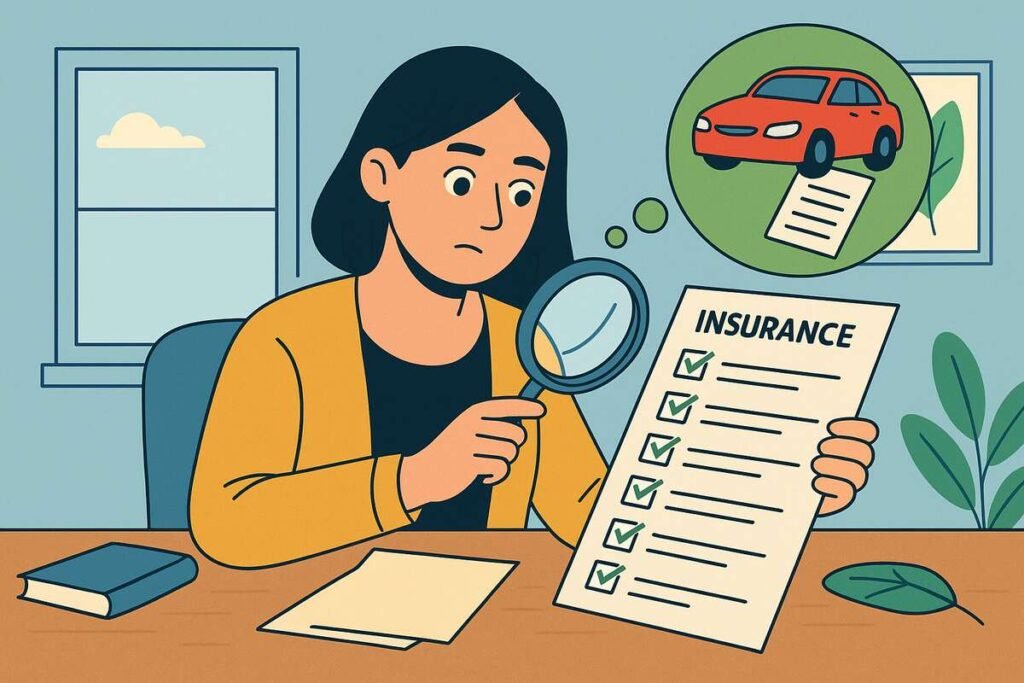
The biggest renewal mistake is not reviewing your coverage.
Review Checklist
- Liability limits
- Collision & comprehensive coverage
- Deductible amounts
- Bundling options
- Discounts applied
- Vehicle safety additions
- Mileage changes
Example: When Karl updated his annual mileage, his renewal dropped by $14/month.
Pro Tip: Use the Insurance Information Institute’s auto coverage checklist: https://www.iii.org/article/auto-insurance-basics
Why Did My Premium Increase If I Had No Claims?
This is one of the most common questions of 2025.
Possible Reasons
- Inflation-driven repair costs
- Regional losses affecting your ZIP code
- Rising accident frequency in your area
- Updated insurer risk profiles
- Lower discount eligibility
Research Insight: According to McKinsey Mobility Insights, geographic risk-adjustment is a major factor in insurer models moving forward.
Takeaway: sometimes your environment, not your driving, determines your rate.
Are Electric Vehicles Affecting Renewal Pricing?
Yes, EVs are changing renewal risk models.
Why EVs Impact Pricing
- Higher parts costs
- More complex repair processes
- Battery replacement expense
However, EV drivers often benefit from:
- telematics-based discounts
- green vehicle incentives
- advanced safety feature credits
Example: Maya’s EV renewal increased $11/month due to battery repair risk, but she offset cost by joining her insurer’s telematics program.
Can Usage-Based Insurance Reduce My Renewal Price?
Absolutely.
Biggest Savings Come From
- low mileage
- smooth braking
- low nighttime driving
- minimal phone distraction
Research Insight: The Insurance Information Institute reports UBI saves safe drivers 15%–35% annually.
Takeaway: telematics rewards behavior, not assumptions.
Should I Switch Insurers Before Renewing?

Many drivers should.
When Switching Makes Sense
- your renewal increased significantly
- your driving habits changed
- your insurer has minimal discount options
Best Tools for Comparison
- The Zebra — https://www.thezebra.com/
- Policygenius — https://www.policygenius.com/auto-insurance/
- Compare.com — https://www.compare.com/
Example: Javier compared quotes before renewing and found a policy $418 cheaper with better coverage.
How Much Can Reviewing a Policy Save?
Savings vary, but they’re often substantial.
Typical Annual Savings
| Change Made | Average Annual Savings |
|---|---|
| Switch insurers | $200–$700 |
| Update mileage | $120–$400 |
| Add telematics | 15%–35% |
| Raise deductible | $100–$300 |
| Remove outdated add-ons | $50–$150 |
Real Example: Sam saved $462/year simply by switching to a usage-based plan.
Frequently Asked Questions for 2025 Renewals
1. How often should I compare insurers?
At least once per year.
2. Does switching cancel my coverage?
No, switching can happen without gaps.
3. Can I negotiate a renewal rate?
Yes, especially after quote comparison.
4. Should I reduce coverage to save money?
Not necessarily, optimize strategically first.
5. Why did a discount disappear this year?
Eligibility rules change annually.
Final Thoughts
Your 2025 renewal shouldn’t feel confusing, stressful, or unpredictable. With the right awareness and proactive review steps, you can control pricing, rather than being surprised by it.
If this guide helped you understand renewal pricing better, share it with fellow drivers or explore more auto-insurance resources on our blog.