
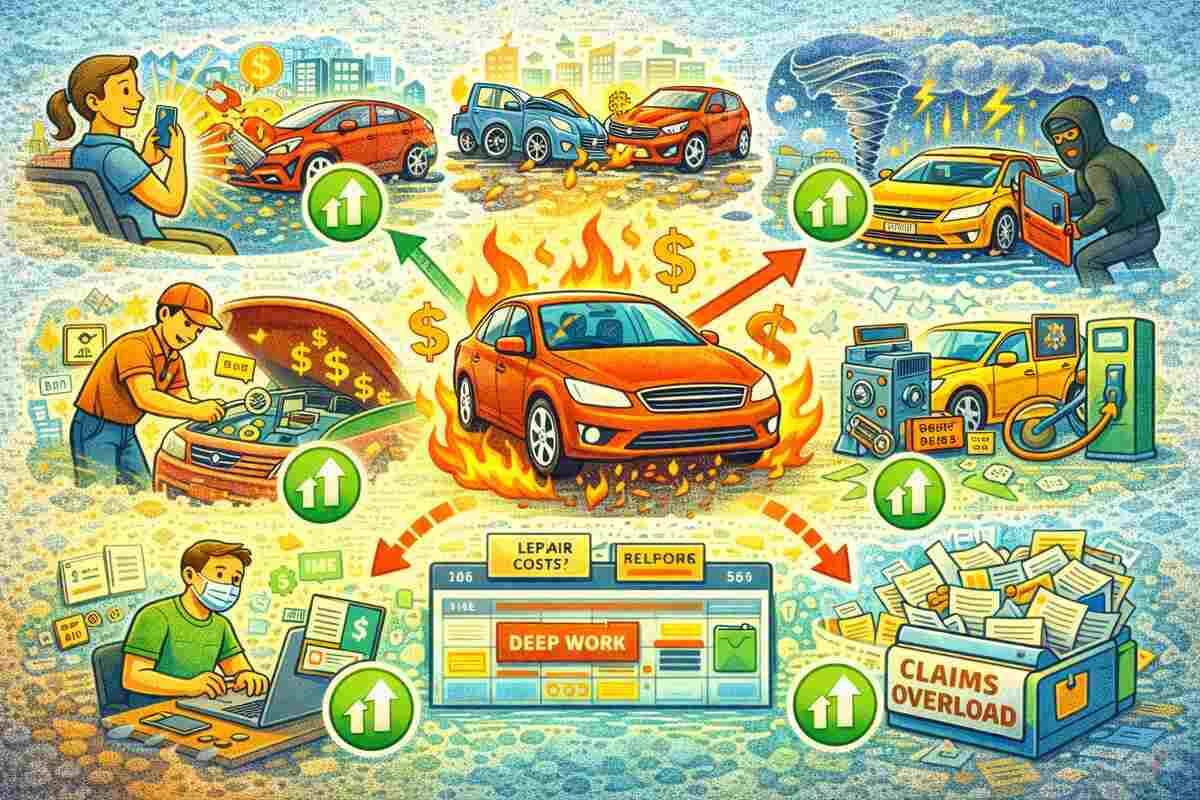

If Your Car Insurance Keeps Going Up, You’re Not Alone
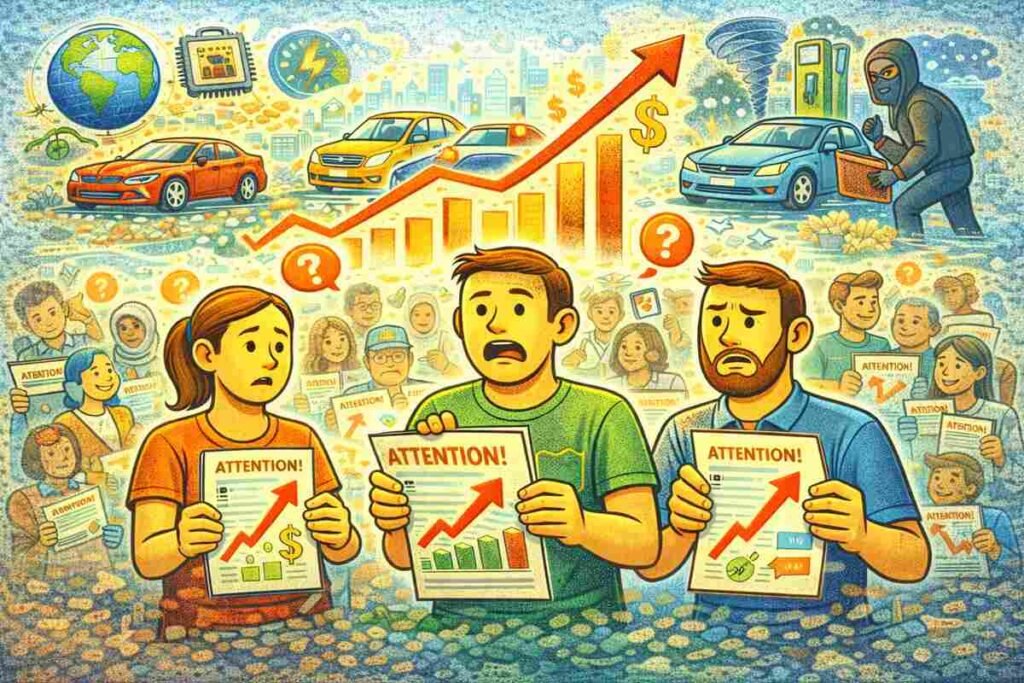
Drivers across the world are opening renewal notices and asking the same question: Why does my car insurance keep getting more expensive even when nothing has changed?
In 2026, car insurance rate hikes are no longer occasional, they’re systemic. Even safe drivers with clean records, low mileage, and no recent claims are seeing double-digit increases. The frustration is understandable, but the causes are deeper and more complex than most people realize.
According to a Forbes Advisor report, auto insurance premiums have been rising faster than general inflation due to a combination of economic, technological, and environmental pressures.
This in-depth guide breaks down 8 brutal but unavoidable reasons car insurance prices keep rising, what factors you can’t control, and where drivers still have leverage.
The Big Picture: Why Insurance Pricing Has Changed
Car insurance is built on risk pooling. When losses rise across the system, premiums rise, even for individuals who never file claims.
What’s Different in 2026
- Higher claim severity (cost per accident)
- More complex vehicles
- Legal and medical cost inflation
- Climate-driven damage
- Sophisticated fraud
The Insurance Information Institute explains in its industry overview that modern insurance pricing is driven more by severity than by accident frequency alone.
Takeaway: Fewer accidents don’t automatically mean cheaper insurance.
1. Repair Costs Have Exploded (Even Minor Accidents)
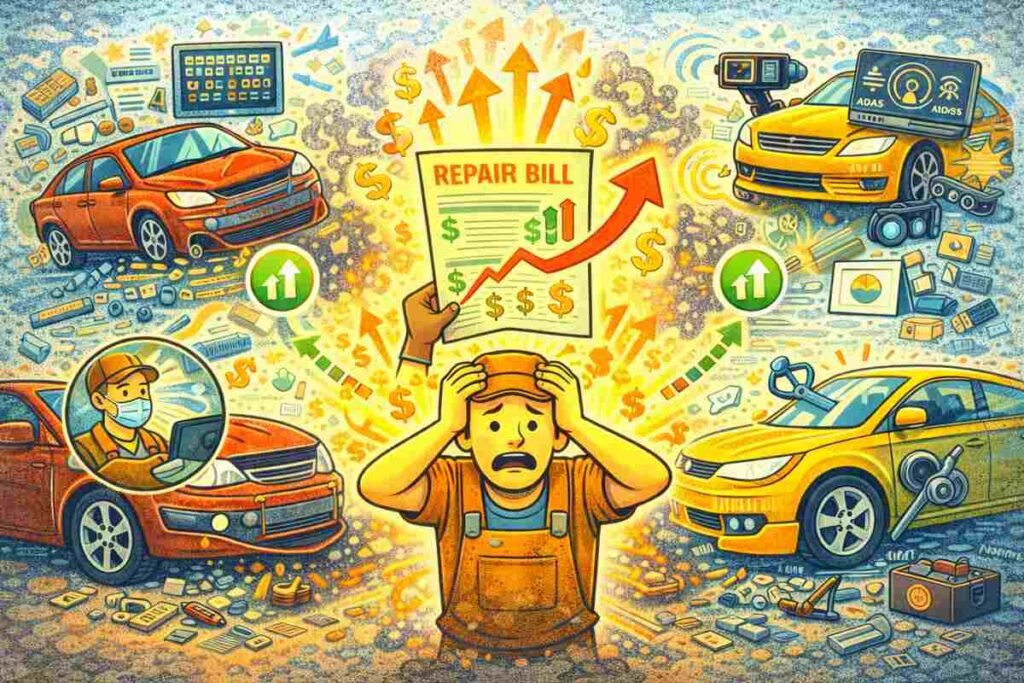
Modern vehicles are essentially computers on wheels.
Why Repairs Cost So Much Now
- Sensors embedded in bumpers and mirrors
- Cameras requiring recalibration
- Advanced driver-assistance systems (ADAS)
- Specialized labor and proprietary parts
Example: A low-speed collision that once cost $1,000 to fix can now exceed $4,000 due to sensor replacement and calibration.
The National Highway Traffic Safety Administration discusses the rising complexity of vehicle safety systems in its technology guidance.
Takeaway: Safer cars reduce injuries, but dramatically increase repair bills.
2. Medical Inflation Is Quietly Driving Premiums Up
Auto insurance doesn’t just pay for cars, it pays for people.
Medical Costs That Impact Claims
- Emergency room visits
- Diagnostic imaging
- Physical therapy
- Long-term treatment claims
Even minor accidents can generate thousands of dollars in medical expenses.
According to the Cleveland Clinic analysis, healthcare inflation continues to outpace general inflation, directly impacting insurance payouts.
Takeaway: Medical cost inflation hits every policyholder, not just those who file claims.
3. Climate Events Are Increasing Insurance Losses
Weather-related claims are no longer rare, they’re routine.
Climate Risks Affecting Auto Insurance
- Hail storms damaging thousands of vehicles at once
- Flooding in urban and coastal areas
- Wildfires destroying vehicles
- Severe winter storms increasing collision rates
The National Oceanic and Atmospheric Administration tracks these trends in its climate data.
Takeaway: Even perfect drivers can’t avoid weather risk.
4. Insurance Fraud Has Become More Expensive and More Advanced
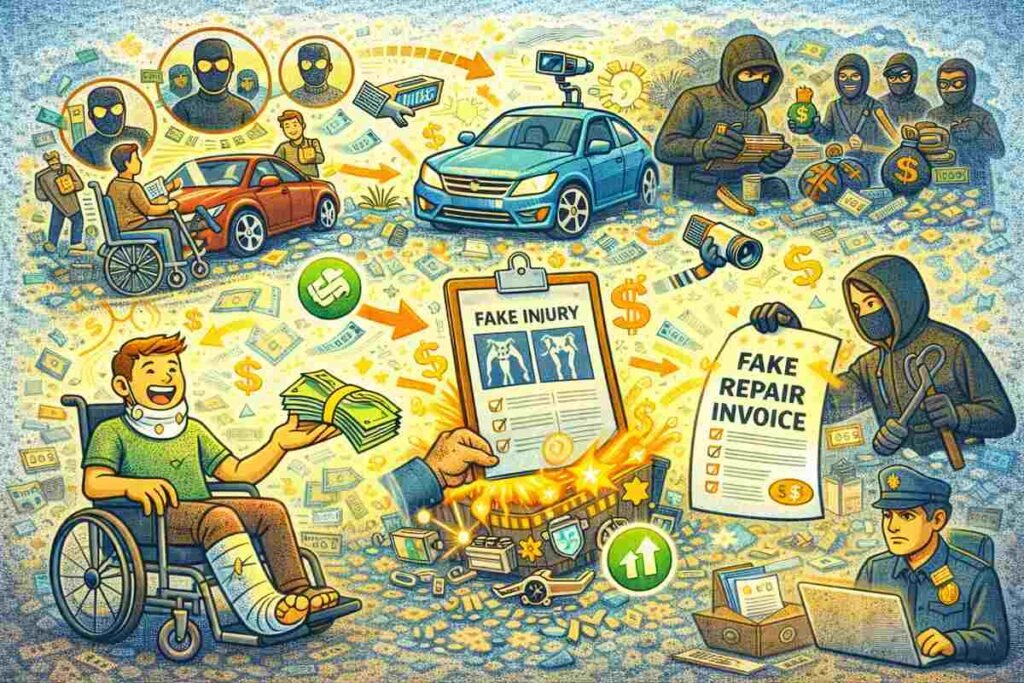
Fraud isn’t just unethical, it’s costly.
Common Fraud That Raises Rates
- Staged accidents
- Inflated injury claims
- Fake repair invoices
- Organized fraud rings
The National Insurance Crime Bureau estimates in its fraud reports that fraud adds hundreds of dollars per year to the average driver’s premium.
Takeaway: Honest drivers subsidize dishonest ones.
5. Legal Costs and Lawsuits Are Growing
Auto insurance claims increasingly involve legal action.
Why Litigation Drives Premiums
- Higher attorney fees
- Larger jury awards
- Longer claim resolution timelines
- Increased settlement pressure
This trend, often called “social inflation”, is discussed by McKinsey & Company in its insurance industry analysis.
Takeaway: Legal environments matter more than most drivers realize.
6. Vehicle Theft and Crime Rates Are Rising
Auto theft has surged in many regions.
Why Theft Affects Everyone
- Higher comprehensive claim payouts
- Increased loss ratios for insurers
- Regional pricing adjustments
The Federal Bureau of Investigation tracks vehicle theft trends in its crime statistics.
Takeaway: Living in a high-theft area raises premiums, even if your car is never stolen.
7. Insurers Are Recovering From Years of Losses
Many insurers underpriced policies during previous years.
What Happened
- Premiums didn’t keep up with rising costs
- Loss ratios climbed
- Insurers paid out more than they collected
According to AM Best industry commentary, rate hikes are partially corrective, designed to restore financial stability.
Takeaway: Today’s increases often reflect yesterday’s underpricing.
8. Many Rate Increases Have Nothing to Do With You
This is the hardest truth.
Factors Outside Your Control
- Regional claim trends
- Local repair costs
- State regulations
- Weather patterns
- Insurer portfolio performance
A driver with a spotless record can still see a 15–25% increase.
Takeaway: Insurance pricing is collective, not personal.
What Drivers Can Do to Limit Rate Hikes
You can’t control the system, but you can control your strategy.
Smart Defensive Moves
- Shop insurance every renewal
- Compare equal coverage limits
- Raise deductibles strategically
- Enroll in usage-based programs
- Bundle auto with home or renters insurance
- Maintain excellent credit where applicable
The Consumer Financial Protection Bureau offers guidance on shopping insurance effectively in its consumer resources.
Takeaway: Passive renewal is the most expensive option.
Real-Life Example: Beating the Rate Hike
After a 22% increase, a driver compared quotes, adjusted deductibles slightly, and switched insurers.
Result:
- Better coverage
- Lower premium than before the increase
- No loss of major discounts
Lesson: Rate hikes are negotiable, if you act.
Comparison Table: Unavoidable vs Controllable Factors
| Factor | Driver Control |
|---|---|
| Repair inflation | No |
| Medical costs | No |
| Climate risk | No |
| Fraud trends | No |
| Driving behavior | Yes |
| Coverage choices | Yes |
| Shopping frequency | Yes |
Frequently Asked Questions
1. Will car insurance keep rising?
Short term, yes, long term depends on loss trends.
2. Does switching insurers really help?
Often, yes, pricing models vary widely.
3. Do safe drivers still get rewarded?
Yes, especially with telematics programs.
4. Does mileage matter anymore?
More than ever for remote workers.
5. Are rate hikes regulated?
Yes, but approval doesn’t mean avoidance.
Final Thoughts
Car insurance rate hikes feel personal, but they’re driven by forces far beyond individual drivers. Understanding these forces doesn’t make increases pleasant, but it does give you leverage.
The drivers who fare best in 2026 aren’t the luckiest, they’re the most informed and proactive.
If this guide helped you understand why your premiums keep rising, share it or explore more smart insurance insights on our blog.