


Understanding Car Insurance: Why It Matters
Car insurance is one of those topics every driver needs to understand—but few actually do. Whether you’re a new driver shopping for your first policy or a seasoned motorist looking to cut costs, navigating the world of coverage options, claims, and premiums can be overwhelming. The truth is, understanding car insurance isn’t just about following the law—it’s about protecting your financial future.
According to the Insurance Information Institute, car insurance policies cover more than just accidents; they can protect against theft, vandalism, and even natural disasters. Yet, many drivers pay too much or misunderstand what’s actually covered.
In this guide, we’ve compiled expert answers to the most common car insurance questions—so you can make smarter, more confident decisions every time you renew or switch providers.
1. What Does Car Insurance Actually Cover?
Best for: New drivers and anyone reviewing their policy.
Car insurance coverage depends on the policy you select, but most include these core components:
| Coverage Type | What It Covers | Required? |
|---|---|---|
| Liability | Damage or injuries you cause to others | Yes (in all states except NH) |
| Collision | Repairs to your car after an accident | Optional |
| Comprehensive | Non-collision damage (theft, fire, weather) | Optional |
| Personal Injury Protection (PIP) | Medical expenses for you and passengers | Required in no-fault states |
| Uninsured/Underinsured Motorist | Protection if hit by someone without insurance | Highly recommended |
Example: If your car is hit by a hailstorm, comprehensive coverage would pay for repairs. But if you rear-end another driver, collision coverage comes into play.
Pro Tip: Review your policy at least once a year—especially after moving, buying a new car, or changing jobs.
Takeaway: The right coverage depends on your lifestyle, vehicle, and risk tolerance.
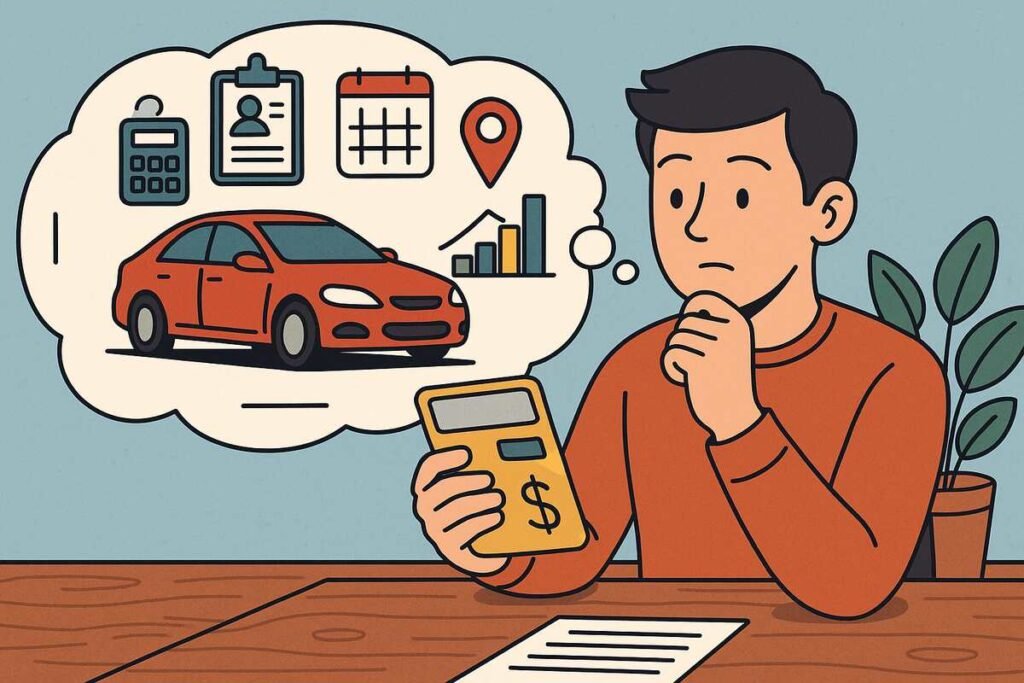
2. How Is My Car Insurance Premium Calculated?
Best for: Drivers trying to understand pricing.
Insurance premiums are based on several personal and vehicle-related factors. Companies use algorithms to assess your risk profile—the likelihood you’ll file a claim.
Key Factors That Affect Your Premium:
- Driving Record: Accidents or violations increase rates.
- Age & Experience: Younger, inexperienced drivers pay more.
- Vehicle Type: Luxury or sports cars cost more to insure.
- Credit Score: Higher scores often mean lower premiums (in most states).
- Location: Urban areas with higher theft rates tend to be pricier.
- Annual Mileage: The less you drive, the less you pay.
Example: Emily’s insurance dropped 18% after she moved from a downtown area to a suburban neighborhood with fewer accidents and lower theft rates.
Pro Tip: Ask your insurer how each factor influences your rate—they’re required to explain their pricing model in most states.
Takeaway: Knowledge is power—understanding what drives your costs can help you lower them.
3. How Can I Lower My Car Insurance Premium?
Best for: Cost-conscious drivers.
You don’t have to sacrifice protection to save money. The key lies in finding balance between affordability and adequate coverage.
Proven Ways to Lower Premiums:
- Shop Around: Compare quotes on The Zebra or Insurify.
- Raise Your Deductible: A higher deductible means lower monthly payments.
- Bundle Policies: Combine car, renters, or home insurance for multi-policy discounts.
- Drive Safely: Avoid accidents and claims to qualify for good driver discounts.
- Install Anti-Theft Devices: Cars with safety tech often qualify for lower rates.
Example: After installing an anti-theft system and switching to a higher deductible, Mark saved $420 annually on his policy.
Research Insight: A NerdWallet study found that switching insurers every 2–3 years can save the average driver up to 15%.
Takeaway: Saving money on car insurance isn’t luck—it’s strategy.
4. What Should I Do After an Accident?
Best for: Drivers seeking clarity during stressful moments.
Accidents happen—even to the safest drivers. Knowing what to do immediately afterward can make a huge difference in your claim’s outcome.
Step-by-Step Guide:
- Check for Injuries: Prioritize safety first.
- Move to Safety: Pull over if possible.
- Call 911: Always report significant damage or injuries.
- Exchange Information: Collect names, license plates, and insurance details.
- Document Everything: Take photos of the scene, damage, and witnesses.
- Notify Your Insurer: File your claim as soon as possible.
Example: When Lisa was rear-ended, she used her insurer’s mobile app to submit photos and claim details within minutes. Her claim was processed and paid within 48 hours.
Pro Tip: Avoid admitting fault at the scene. Let the insurance adjusters and authorities handle the investigation.
Takeaway: Preparation prevents panic—know the steps before you need them.
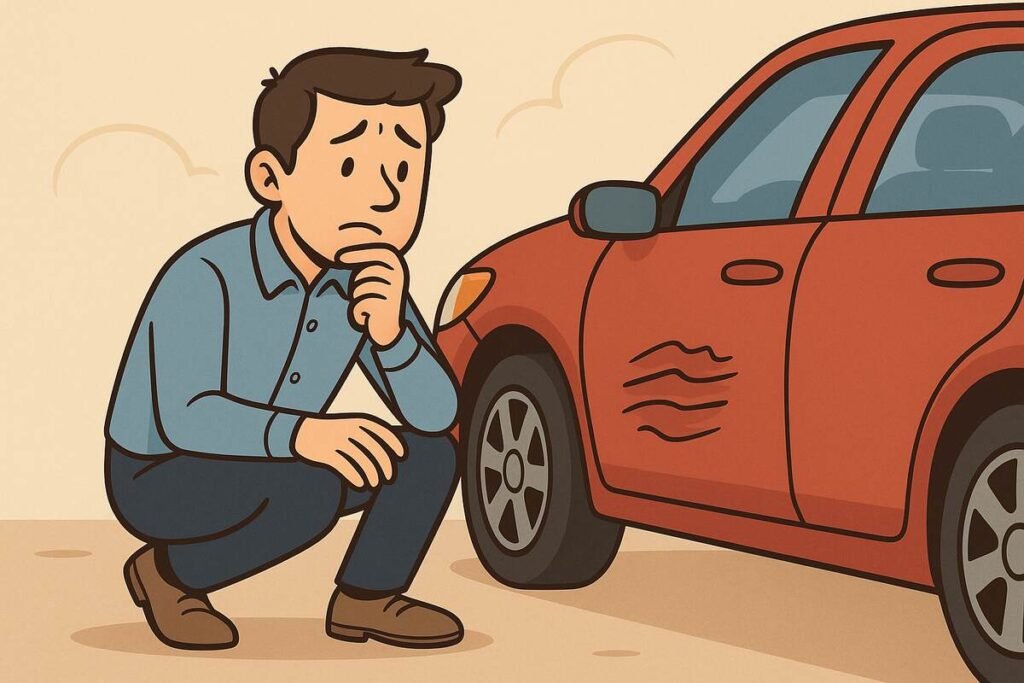
5. Should I File a Claim for Minor Damage?
Best for: Drivers balancing repair costs and premium increases.
Not every scratch or dent requires a claim. Filing too many minor claims can raise your premiums over time.
When to File:
- Damage cost exceeds your deductible.
- Another driver is clearly at fault.
- The damage affects your car’s safety or resale value.
When to Skip:
- Minor cosmetic damage below deductible cost.
- You’ve filed multiple small claims recently.
Example: Alex’s bumper repair cost $350, and his deductible was $500. He skipped the claim to avoid a potential rate increase.
Pro Tip: Always get a repair estimate before deciding. Some insurers offer accident forgiveness after a clean driving record—ask your provider.
Takeaway: Use insurance for protection, not convenience.
6. How Does Switching Car Insurance Work?
Best for: Drivers seeking better deals or benefits.
Switching insurers is simpler than most people think—and can often result in better coverage for less.
Steps to Switch Successfully:
- Compare Quotes: Use at least three reputable sources.
- Check for Cancellation Fees: Some insurers charge small fees for early termination.
- Time Your Switch: Avoid coverage gaps—activate your new policy before canceling the old one.
- Confirm Refunds: If you paid in advance, you’re entitled to reimbursement for unused coverage.
Example: After comparing rates online, Jasmine switched providers mid-year and saved $600 annually, with zero coverage lapse.
Pro Tip: Loyalty doesn’t always equal savings—re-evaluate your insurer yearly.
Takeaway: Switching smartly gives you control, not confusion.
7. What Happens If I Don’t Have Car Insurance?
Best for: Drivers questioning legal requirements.
Driving without insurance is risky and costly. In most U.S. states, it’s illegal—and penalties can include fines, license suspension, and even vehicle impoundment.
Consequences of Driving Uninsured:
- Fines and fees that can exceed $1,000.
- License suspension until proof of insurance is provided.
- Higher future premiums due to increased risk profile.
- Personal financial liability for damages or injuries you cause.
Example: After an uninsured accident, Rob faced a $9,000 out-of-pocket repair bill—plus legal action from the other driver.
Pro Tip: Even if your car is parked long-term, consider comprehensive-only coverage to protect against theft or natural damage.
Takeaway: Insurance isn’t optional—it’s essential.
Real-Life Story: Turning Confusion into Confidence
When Mia bought her first car, she was overwhelmed by coverage terms and pricing. After researching through trusted sources and speaking with an independent agent, she customized her policy—raising her deductible, adding roadside assistance, and securing discounts for anti-theft features. The result? $420 in annual savings and peace of mind.
Lesson: Understanding your options leads to smarter, safer decisions.
Comparison Table: Common Car Insurance Questions and Quick Answers
| Question | Short Answer | Resource |
|---|---|---|
| What does insurance cover? | Depends on your selected coverage types | Insurance Information Institute |
| How is premium calculated? | Risk factors: driving record, car type, location | Forbes Advisor |
| How to lower costs? | Compare quotes, bundle policies, raise deductibles | The Zebra, NerdWallet |
| What after an accident? | Ensure safety, document, file claim | State Insurance Dept. sites |
| Should I switch insurers? | Yes, every 12 months or when rates increase | Insurify, Progressive |
Frequently Asked Questions About Car Insurance
1. How often should I review my policy?
At least once a year—or after major life events such as moving, marriage, or vehicle purchase.
2. Is full coverage worth it?
For newer cars or financed vehicles, yes. For older cars, liability-only may suffice.
3. Can I have two car insurance policies?
Technically yes, but it’s unnecessary and costly. Choose one comprehensive policy.
4. What’s the difference between collision and comprehensive?
Collision covers accidents; comprehensive covers non-collision incidents like theft or weather damage.
5. How can I ensure a fast claim payout?
File promptly, provide documentation, and stay responsive to your insurer’s requests.
Final Thoughts
Car insurance doesn’t have to be confusing or expensive. With the right information, you can customize your policy, find meaningful discounts, and protect yourself from unexpected costs.
The next time you review your coverage, ask questions, compare rates, and look for new opportunities to save—because being informed is the best insurance of all.
If this guide helped answer your car insurance questions, share it with fellow drivers and explore more expert insights on our blog.