
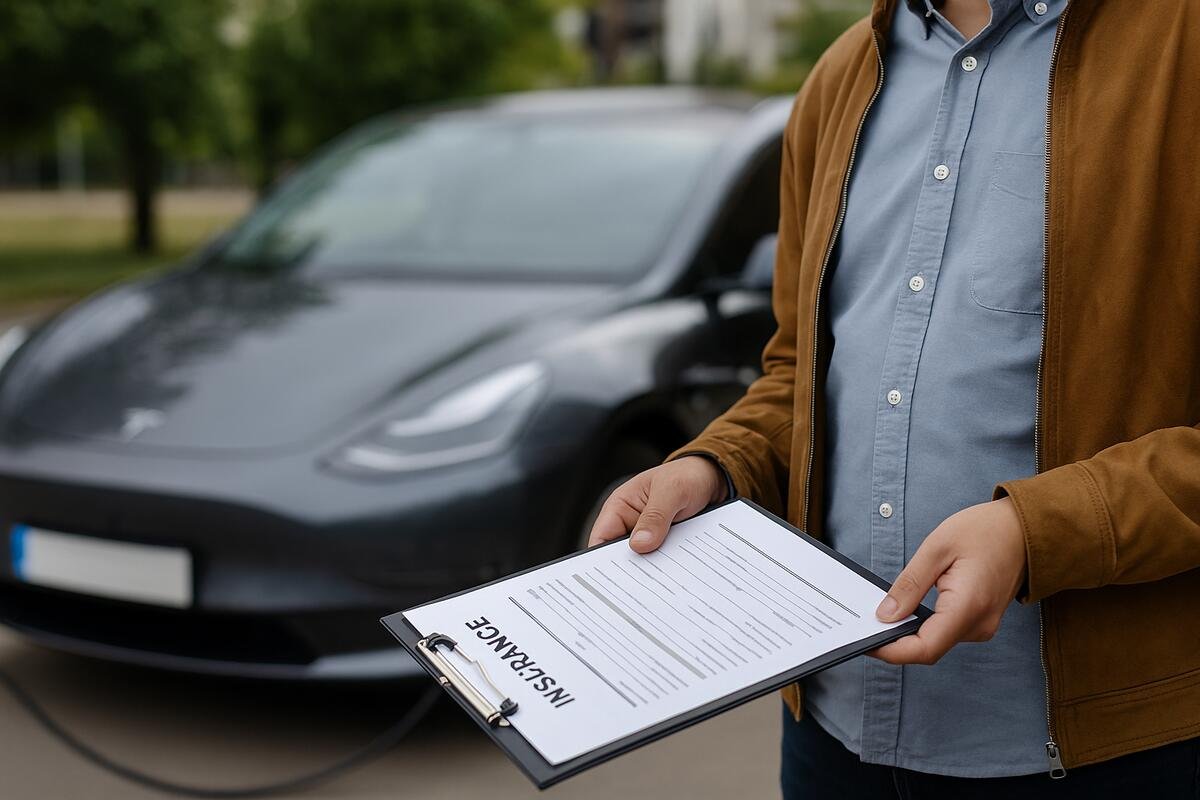

Why EV Insurance Deserves Special Attention
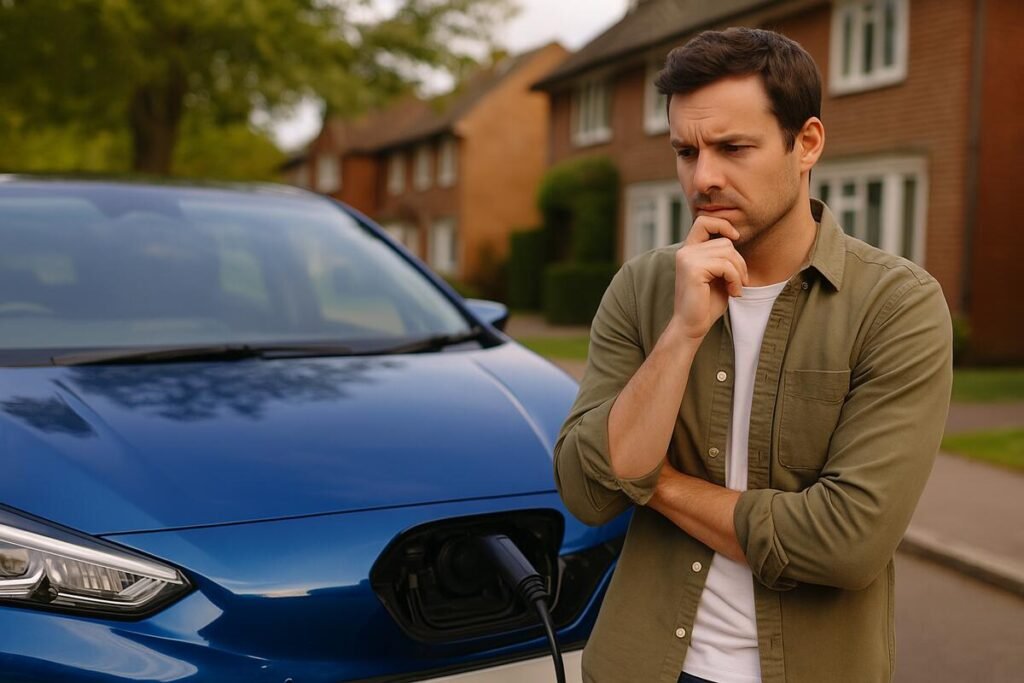
Switching to an electric vehicle (EV) is an exciting step toward sustainable driving—but car insurance for electric vehicles isn’t the same as insuring a traditional gas-powered car. From higher repair costs to specialized coverage needs, EV owners face unique considerations that can impact premiums, claims, and long-term ownership costs.
According to the Insurance Institute for Highway Safety (IIHS), EVs may be less likely to crash due to advanced safety features, but repairs are often pricier due to specialized parts and batteries. Understanding these nuances ensures you’re protected without overpaying.
1. EVs Often Have Higher Insurance Premiums
Why it matters:
- EVs cost more to repair after collisions.
- Battery replacement is expensive (sometimes $10,000+).
- Fewer specialized repair shops increase service costs.
However, many insurers offer green-vehicle or eco-friendly discounts to offset these higher premiums. Always ask about these options when comparing providers.
2. Coverage for Batteries and Charging Equipment
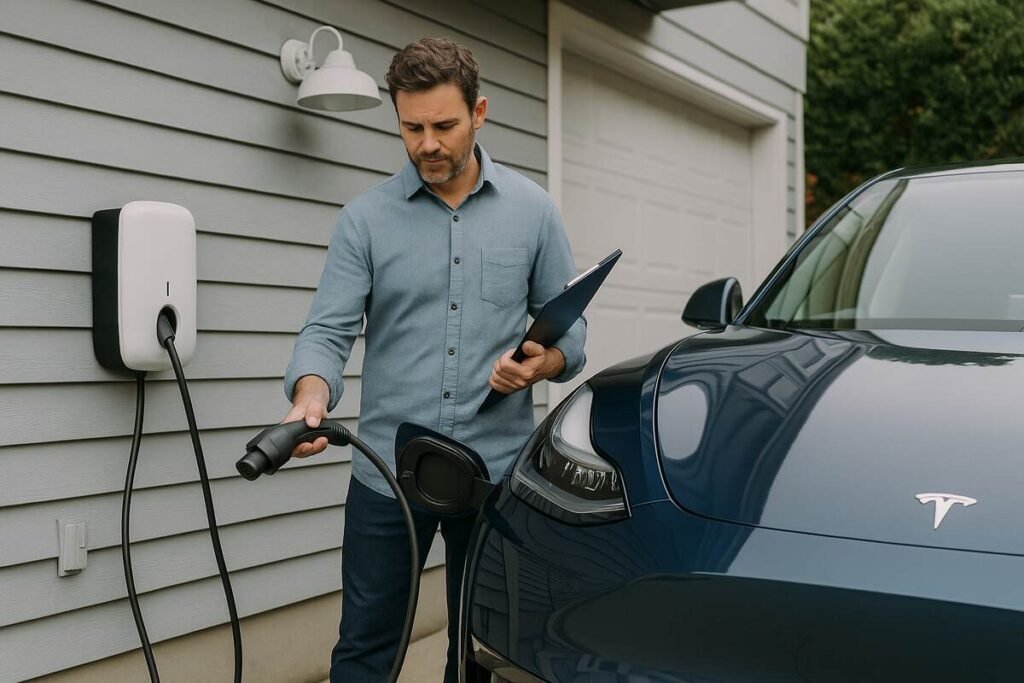
The battery is the heart of an EV—and also its costliest component. Standard policies may not fully cover battery replacement or charging station damage.
What to look for:
- Battery protection in comprehensive or collision coverage.
- Coverage for at-home charging stations against fire, theft, or vandalism.
- Roadside assistance that includes EV-specific needs, like towing to charging stations.
The U.S. Department of Energy highlights that batteries are among the highest-cost components in EV ownership, making this coverage essential.
3. Specialized Repair Networks
Not every repair shop can service an EV. Many insurers now partner with certified EV repair centers to streamline claims.
Benefits of using partnered repair networks:
- Technicians trained specifically in EV components.
- Faster service and warranty-backed repairs.
- Reduced out-of-pocket surprises for policyholders.
4. Discounts and Incentives for EV Drivers

EV owners may qualify for unique savings that traditional drivers don’t.
Common discounts include:
- Eco-friendly or green vehicle discounts.
- Lower mileage discounts (many EV owners drive fewer miles).
- Telematics programs that reward safe driving habits.
According to NerdWallet, comparing multiple insurers is the best way to maximize these discounts.
5. Government Incentives and Insurance Impacts
Many governments encourage EV adoption with tax credits and rebates, but these incentives don’t always reduce insurance rates directly. Instead, insurers consider:
- The higher market value of EVs.
- Costs of replacement parts.
- Specialized labor for repairs.
Still, as EV adoption grows, competition among insurers is expected to reduce costs over time.
Comparison Table: EV vs. Gas Car Insurance
| Factor | Electric Vehicles | Gas-Powered Cars |
|---|---|---|
| Premiums | Often higher due to repair costs | Typically lower |
| Battery/Engine Coverage | Specialized battery protection needed | Standard engine coverage |
| Repair Networks | Limited, certified EV shops | Widely available |
| Discounts | Green/eco-friendly incentives | Traditional discounts only |
| Roadside Assistance | Must include EV towing options | Standard roadside assistance |
Frequently Asked Questions About Car Insurance for Electric Vehicles
1. Why is EV insurance more expensive?
Because of higher repair costs, battery expenses, and limited specialized repair networks.
2. Does insurance cover charging stations?
Yes, but only if your policy includes coverage for home equipment—check your terms.
3. Can EV owners get unique discounts?
Yes. Green-vehicle, telematics, and low-mileage discounts are often available.
4. Is roadside assistance different for EVs?
Yes. EV assistance may include towing to the nearest charging station.
5. Will EV insurance costs decrease in the future?
Likely, as EV adoption grows and repair infrastructure expands.
Final Thoughts
Owning an EV is a bold step toward sustainability, but it comes with unique insurance needs. From higher repair costs to specialized battery coverage, understanding how car insurance for electric vehicles works helps you make informed decisions.
By comparing providers, seeking eco-friendly discounts, and ensuring coverage includes batteries and charging equipment, you’ll enjoy peace of mind while driving into the future.
If this article helped clarify EV insurance, share it with fellow EV owners, and explore more of our insurance guides for smarter decisions.