

Your Car Is Getting Smarter — And So Is Your Insurance
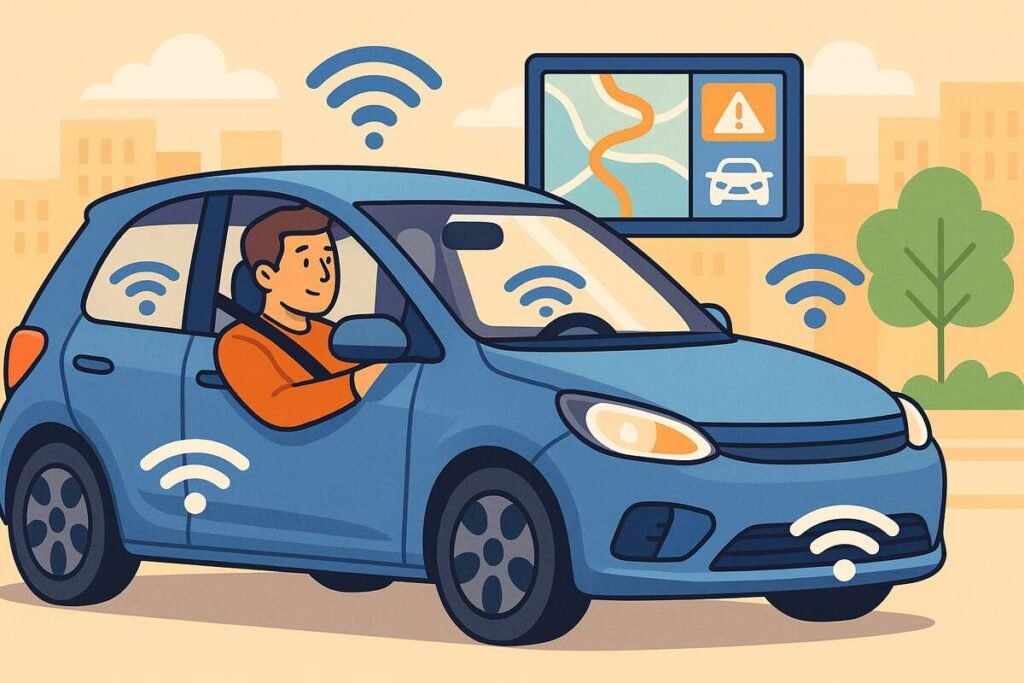
Car Insurance for Connected Cars is no longer optional to understand in 2025. Connected cars aren’t just a luxury, they’re quickly becoming the norm. From real-time navigation to automated safety features and remote diagnostics, modern vehicles generate a constant flow of data that improves your driving experience. But there’s one area where drivers still feel unsure: how this technology affects car insurance.
According to the Insurance Information Institute, over 70% of new cars sold in 2024 included built-in connectivity features, which directly influence how insurers evaluate risk, price premiums, and handle claims.
If you drive a connected vehicle or plan to buy one soon this guide answers the most important FAQs about how car insurance works for 2025 smart cars, what’s changing, and how to take advantage of new discounts.
Why Are Connected Cars Changing Insurance Pricing?
Connected cars provide insurers with more accurate, real-time insights into driver behavior and vehicle health.
Key Factors Influencing Premiums in 2025
- Advanced Driver Assistance Systems (ADAS) performance
- Remote diagnostic data
- Telematics-based driving behavior
- Mileage tracking
- Safety system activation logs
Research Insight: A 2024 McKinsey mobility study found that smart vehicle data may reduce claim-processing delays by 40% and fraud by 20%.
Example: Drivers whose ADAS systems reduce collision risk often qualify for lower premiums, because the vehicle actively prevents accidents.
Do Connected Cars Automatically Lower My Insurance Costs?
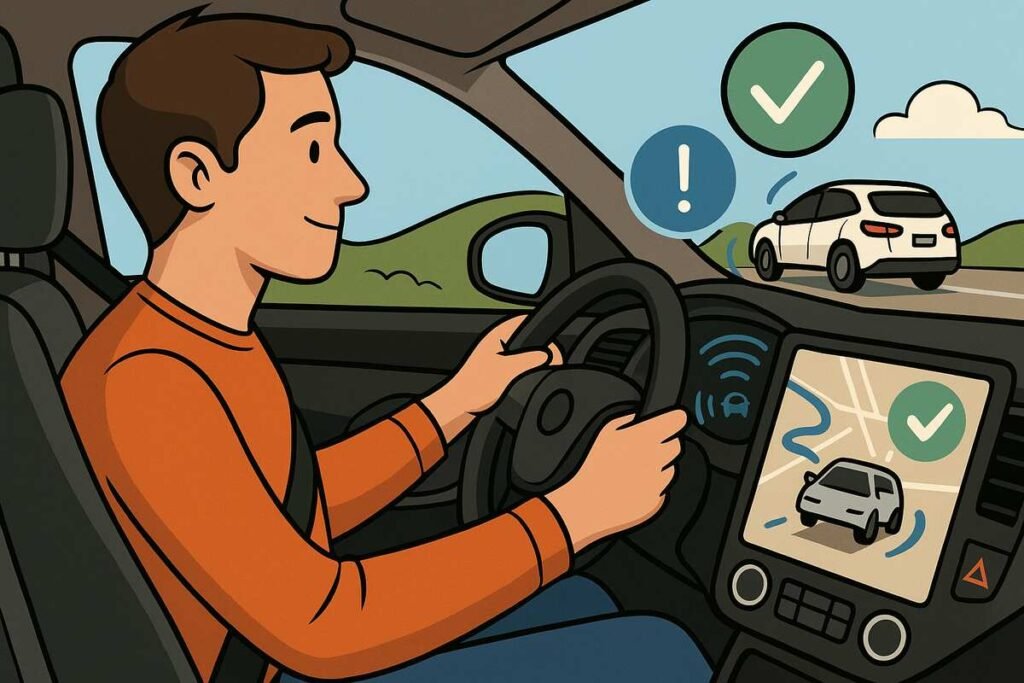
Not always, but often.
When Connected Cars LOWER Premiums
- Your ADAS features reduce collision likelihood
- You drive safely according to telematics scoring
- Your vehicle transmits low mileage data
- You use real-time hazard alerts
When They May INCREASE Premiums
- Repairing smart sensors is expensive
- ADAS components require specialized technicians
- Luxury or EV smart systems cost more to replace
Example:
An SUV with lane-keep assist and blind-spot monitoring may get a discount but repairing those sensors after a crash is costly.
Pro Tip: Always ask your insurer which safety features qualify for discounts.
How Do Telematics Programs Work With Smart Vehicles?
Telematics is built directly into many connected cars.
What Telematics Tracks
- Acceleration patterns
- Hard braking events
- Cornering behavior
- Speed relative to traffic
- Phone distraction
- Nighttime driving
Research Insight: The Insurance Information Institute reports that telematics can save safe drivers 15%–35% annually.
Example:
A connected EV automatically sends driving data to the insurer, reducing the need for external plug-in devices.
Are Smart Cars More Expensive to Repair—and Does That Affect My Premium?
Yes.
Connected cars use cameras, sensors, lidar, and radar to operate advanced safety systems.
Expensive-to-Repair Components
- Front bumper radar sensors
- Windshield-mounted cameras
- Parking assistance sensors
- Automated braking modules
Example:
Replacing a damaged camera during a windshield repair can add $400–$900 to the bill.
Research Insight: According to Forbes Advisor, sensor-equipped vehicles cost significantly more to repair after a collision.
Takeaway: Safer cars aren’t always cheaper to insure.
How Does My Connected Car’s Data Affect Claims?
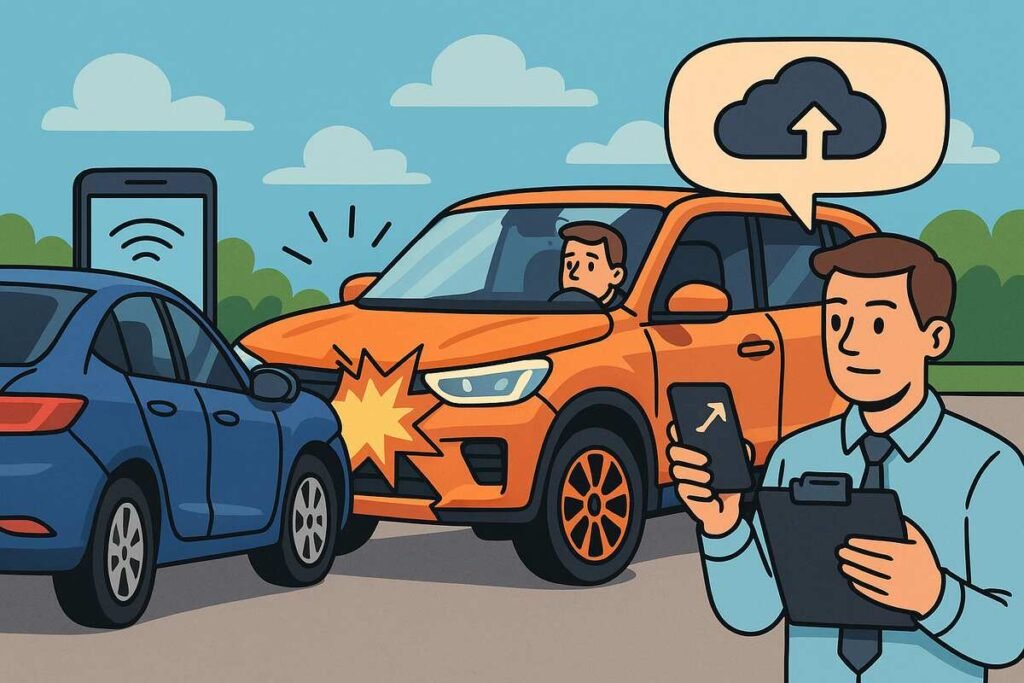
Smart vehicles simplify claim resolution.
Benefits During Claims
- Real-time crash data improves accuracy
- Automated crash detection speeds claims
- Location logs verify accident details
- Diagnostic reports show system performance
Example:
A vehicle that detects a collision can automatically notify the insurer with telemetry data, shortening claim processing time.
Takeaway: Smart data = faster, more accurate claims.
Will My Driving Behavior Be Monitored All the Time?
It depends on your insurer and program.
Two Common Models
1. Opt-in telematics programs (you choose to share data)
2. Passive vehicle data use (collected only for certain events)
What Insurers Don’t Track
- Personal conversations
- In-car audio
- Private messages
Privacy Insight: The National Highway Traffic Safety Administration notes strict protections for vehicle cyber data.
Takeaway: Only driving-related behavior influences insurance—not your personal life.
Do Connected Cars Qualify for Special Discounts?
Often yes, especially if your vehicle includes advanced safety features.
Potential Discounts
- Adaptive cruise control discount
- Lane departure warning discount
- Automatic emergency braking discount
- Anti-theft technology discount
- Telematics safe-driver discount
Example:
A sedan equipped with 360° cameras may qualify for two or more safety discounts.
Pro Tip: Ask your insurer for a full list of ADAS-specific discounts.
What Happens If My System Malfunctions? Does It Affect My Coverage?
Not at all.
Insurance covers your vehicle regardless of whether its smart features fail.
Coverage Remains the Same For
- ADAS failure
- Sensor malfunction
- Temporary software glitches
- Connectivity loss
However, repairs may cost more.
Will Insurers Use My Data Without Permission?
No, permission is required.
Insurers Must Disclose
- What data they collect
- How it’s used
- How long it’s stored
- Consumer opt-out rights
Insight: Vehicle data regulation is tightening in 2025 to protect driver privacy.
Real-Life Example: Lower Premium, Faster Claims
Jason upgraded to a connected hybrid sedan. After opting into his insurer’s telematics program:
- His premium dropped 18% within 6 months
- His vehicle automatically reported a minor collision
- His claim was processed in just 48 hours
Lesson: Data-driven insurance gives you more control.
Comparison Table: Connected vs Non-Connected Car Insurance
| Feature | Connected Cars | Non-Connected Cars |
|---|---|---|
| Pricing Model | Behavior + tech-based | Traditional demographic-based |
| Claims Speed | Faster | Slower |
| Safety Discounts | More available | Fewer |
| Repair Costs | Higher | Lower |
| Telematics | Built-in | Optional |
Frequently Asked Questions for 2025 Smart Vehicles
1. Do all insurers support connected car data?
No, but most major insurers do.
2. Does sharing my data increase my premium?
Only if risky driving behavior is detected.
3. Can I turn off data-sharing?
Yes, opt-in programs let you stop anytime.
4. Is ADAS required for discounts?
Not required, but helpful.
5. Does a connected car guarantee lower rates?
No, driving habits still matter.
Final Thoughts
Connected cars are reshaping auto insurance. From personalized premiums to faster claims and better safety discounts, smart vehicles give drivers more control than ever.
Understanding how your vehicle’s data affects pricing helps you make smarter decisions and unlock savings.
If this guide helped you understand connected-car insurance, share it and explore more smart-vehicle resources on our blog.