

Car Insurance 101: Everything You Need to Know Before Buying a Policy
Introduction to Car Insurance 101
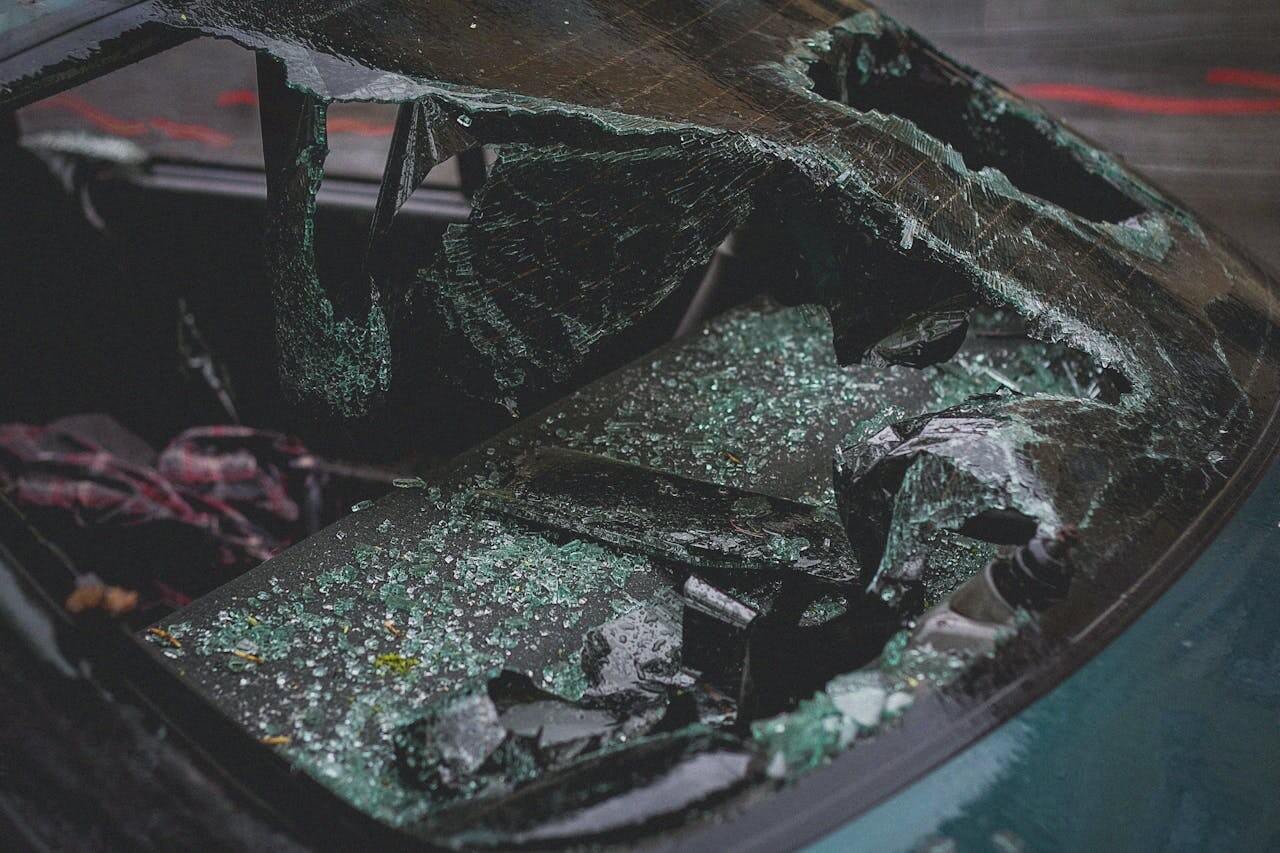
Car insurance is an essential part of vehicle ownership, providing financial protection in case of accidents, theft, or damage. Understanding the fundamentals of car insurance can help you make informed decisions when purchasing a policy. This guide to Car Insurance 101 covers everything you need to know before buying a policy, including types of coverage, factors affecting premiums, and tips for choosing the best policy for your needs.
What is Car Insurance?
Car insurance is a contract between a vehicle owner and an insurance company. In exchange for premium payments, the insurer provides coverage for various risks, including accidents, theft, and liability claims. Having the right car insurance policy ensures that you are financially protected from unexpected incidents.
Types of Car Insurance Coverage
1. Liability Insurance
Liability insurance covers damages and injuries you cause to others in an accident. It is typically required by law in most states.
- Bodily Injury Liability (BIL): Covers medical expenses for other parties involved in an accident.
- Property Damage Liability (PDL): Pays for damages to another person’s vehicle or property.
2. Collision Insurance
This coverage pays for damages to your car resulting from a collision, regardless of who was at fault. It is particularly beneficial if you have a newer or expensive vehicle.
3. Comprehensive Insurance
Comprehensive coverage protects against non-collision incidents such as theft, vandalism, natural disasters, and animal strikes.
4. Personal Injury Protection (PIP)
PIP covers medical expenses and lost wages for you and your passengers, regardless of fault. Some states require this coverage as part of their no-fault insurance laws.
5. Uninsured/Underinsured Motorist Coverage (UM/UIM)
If you’re involved in an accident with a driver who has insufficient or no insurance, UM/UIM coverage helps pay for medical bills and damages.
Factors Affecting Car Insurance Premiums
1. Driving Record
A clean driving record with no accidents or traffic violations leads to lower premiums, while a history of accidents or DUIs results in higher costs.
2. Vehicle Type
The make, model, and age of your car influence insurance rates. Sports cars and luxury vehicles typically cost more to insure.
3. Location
Insurance rates vary by state and city. Areas with high crime rates or frequent accidents tend to have higher premiums.
4. Credit Score
In many states, insurers consider credit scores when determining premiums. A higher credit score may result in lower insurance rates.
5. Coverage Limits and Deductibles
Choosing higher coverage limits increases your premium, while opting for a higher deductible lowers your costs.
Tips for Choosing the Best Car Insurance Policy

1. Compare Quotes
Obtain quotes from multiple insurance providers to find the best price and coverage for your needs. Websites like NerdWallet and The Zebra offer comparison tools.
2. Check the Insurer’s Reputation
Research customer reviews and financial strength ratings from organizations like A.M. Best and J.D. Power to ensure the insurer is reliable.
3. Consider Discounts
Many insurers offer discounts for safe driving, bundling policies, good student performance, and more. Ask about available discounts to reduce your premium.
4. Understand the Policy Details
Read the fine print carefully to understand exclusions, coverage limits, and terms before purchasing a policy.
5. Opt for Usage-Based Insurance
If you’re a low-mileage driver, consider a usage-based insurance program that charges premiums based on your actual driving habits.
Common Car Insurance Myths Debunked

Myth 1: Red Cars Cost More to Insure
Fact: The color of your car does not affect your insurance premium. Factors like make, model, and safety features have a more significant impact.
Myth 2: Full Coverage Protects Everything
Fact: Even full coverage has exclusions, such as wear and tear or mechanical failures. Always check policy details.
Myth 3: Minimum Coverage is Enough
Fact: While minimum liability coverage meets legal requirements, it may not fully protect you in an accident. Consider higher limits for better protection.
Internal and External Resources
For more details on car insurance, check out these resources:
- National Association of Insurance Commissioners (NAIC)
- Insurance Information Institute
- Your State’s Department of Insurance
Conclusion
Understanding Car Insurance 101 ensures you make an informed decision when purchasing a policy. By knowing the types of coverage available, factors influencing premiums, and tips for choosing the best policy, you can secure financial protection for yourself and your vehicle. Always compare quotes, research insurers, and select the right coverage to meet your needs.