


Introduction
When it comes to car insurance, misinformation is everywhere. Beware: Misleading car insurance information that costs you can result in higher premiums, inadequate coverage, or even policy cancellations. Many drivers fall victim to myths and half-truths that lead them to make costly mistakes. This guide will expose the most common misleading car insurance claims and help you make informed decisions that save you money while ensuring proper protection.
The Dangers of Misinformation in Car Insurance
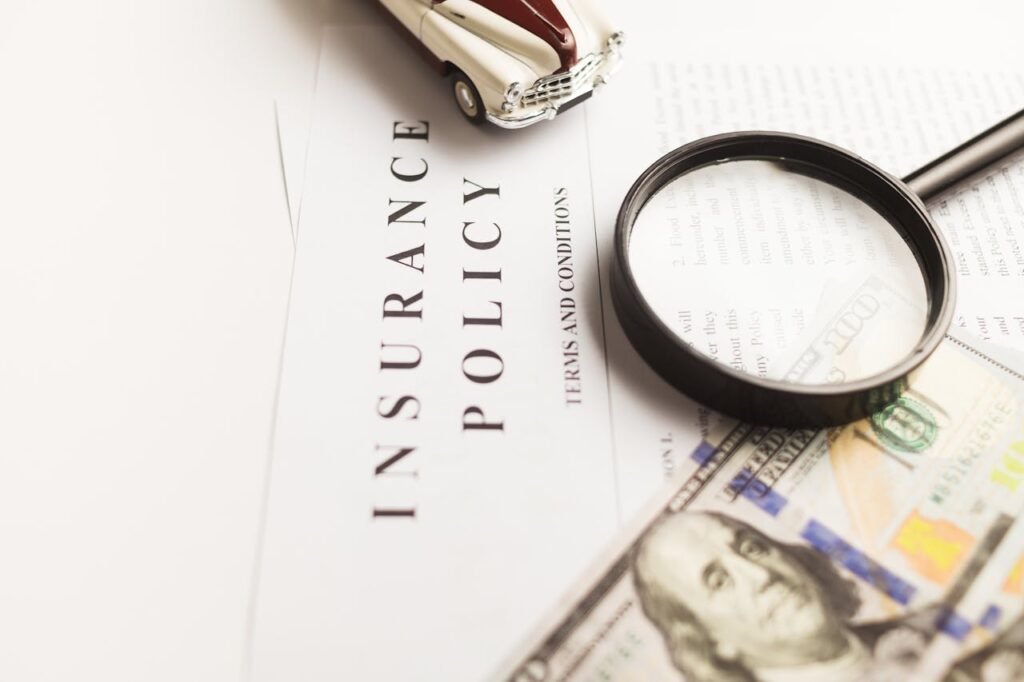
Car insurance is a critical financial tool, but falling for misleading information can:
- Lead to overpaying for coverage.
- Result in denied claims due to policy misunderstandings.
- Leave you underinsured when you need protection the most.
- Cause unnecessary stress and financial loss.
Understanding the truth behind these myths will empower you to choose the best policy for your needs.
Common Car Insurance Myths That Cost You Money

1. The Cheapest Policy is Always the Best
Many drivers assume that the lowest premium equals the best deal. However, cheaper policies often come with limited coverage, high deductibles, or exclusions that leave you vulnerable. Instead of focusing solely on price, compare policies based on:
- Coverage limits
- Deductibles
- Customer service reputation
- Claim processing time
A cheap policy that doesn’t cover what you need could end up costing you more in the long run.
2. Your Credit Score Doesn’t Affect Your Insurance Rate
Many people believe that credit scores only impact loans and credit cards. However, insurers use your credit score to assess risk and determine your premium. A lower score often results in higher rates. Improving your credit by paying bills on time and reducing debt can help you secure lower insurance premiums.
3. Red Cars Cost More to Insure
One of the most persistent car insurance myths is that red cars attract higher insurance rates. In reality, insurers do not consider the color of your vehicle when determining premiums. Instead, they focus on factors like:
- Vehicle make and model
- Safety features
- Repair costs
- Theft rates
So, whether you drive a red, blue, or black car, the color itself has no impact on your insurance costs.
4. Your Personal Auto Insurance Covers Business Use
If you use your personal vehicle for business purposes—such as ridesharing, delivery services, or frequent client visits—your standard car insurance may not cover you. Many policies exclude business use, requiring you to purchase a commercial or rideshare insurance policy to ensure full protection.
5. Comprehensive Insurance Covers Everything
Despite its name, comprehensive insurance does not cover every situation. It primarily protects against non-collision damages like theft, vandalism, and natural disasters. However, it does not cover:
- Collisions (covered under collision insurance)
- Personal belongings inside the vehicle
- Mechanical breakdowns
To ensure full protection, evaluate your insurance needs and consider additional coverage options.
6. Minimum Liability Coverage is Sufficient
Many drivers assume that carrying only the state-mandated minimum liability insurance is enough. While this may be legally acceptable, it often leaves you exposed to significant financial risk. If you cause an accident with damages exceeding your coverage limits, you will be personally responsible for the remaining costs. Consider increasing your liability limits to safeguard your financial well-being.
How Misleading Information Increases Your Insurance Costs
Believing in false car insurance claims can lead to:
- Paying higher premiums due to poor policy choices.
- Facing unexpected out-of-pocket expenses.
- Having claims denied due to misinformation.
- Experiencing policy cancellations for not meeting insurer requirements.
To avoid these pitfalls, always verify information from reliable sources such as your insurer’s official website, state insurance departments, and reputable comparison platforms.
Tips to Avoid Falling for Car Insurance Myths

1. Read Your Policy Carefully
Understanding your policy’s terms, conditions, and exclusions ensures that you know exactly what is covered. If anything is unclear, ask your insurance provider for clarification.
2. Compare Policies from Multiple Providers
Don’t settle for the first quote you receive. Use reputable comparison tools like:
These tools help you find the best rates and coverage options tailored to your needs.
3. Look Beyond the Premium Cost
While saving money is important, choosing a policy based on price alone can lead to inadequate coverage. Assess factors like claim settlement speed, customer service ratings, and overall policy benefits before making a decision.
4. Ask About Discounts
Many insurers offer discounts that can reduce your premium. Some common discounts include:
- Safe driver discounts
- Multi-policy bundling
- Good student discounts
- Low mileage discounts
Taking advantage of these discounts can significantly lower your insurance costs.
5. Regularly Review Your Policy
Insurance needs change over time. Periodically reviewing your policy ensures that you are not overpaying for unnecessary coverage or missing out on better options.
Conclusion
Beware: Misleading car insurance information that costs you can lead to financial losses, inadequate coverage, and unexpected claim denials. By staying informed and verifying facts, you can make smarter insurance decisions that protect both your finances and your vehicle. Don’t fall for common myths—research, compare, and choose wisely to secure the best policy at the best rate.