


Navigating the New World of Car Insurance in 2025
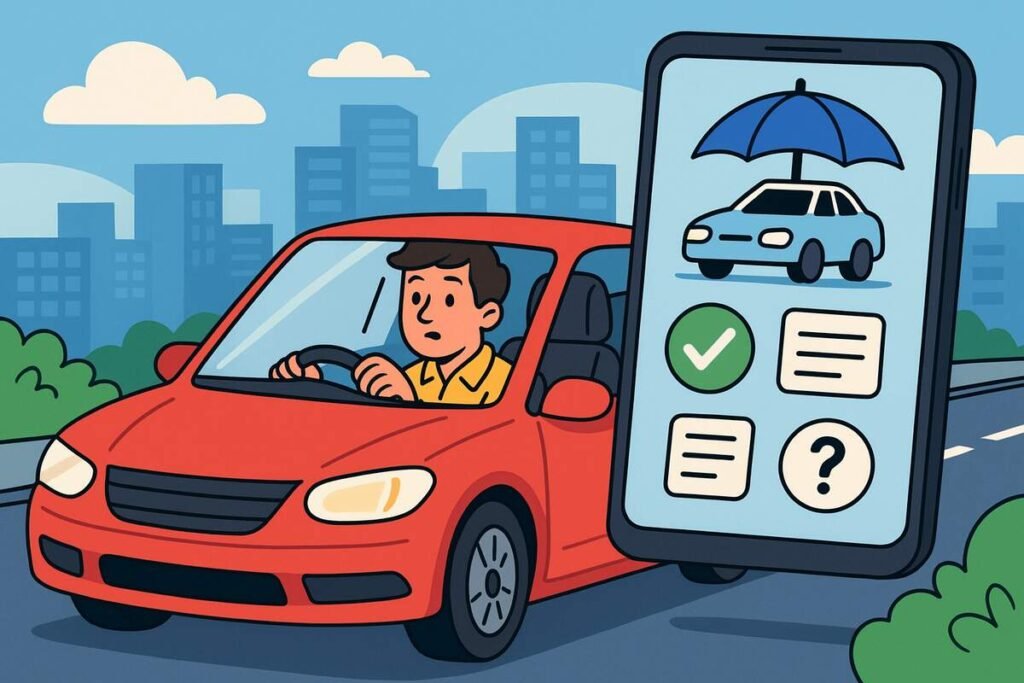
Car Insurance Resources 2025 Updates show how the car insurance landscape is changing faster than ever. From digital-first providers to AI-powered claims processing, the industry in 2025 looks nothing like it did a decade ago. For drivers, this means more options but also more complexity. Choosing the right policy requires understanding new tools, evolving regulations, and the latest discounts.
According to the Insurance Information Institute, the average U.S. auto insurance premium rose by 12% in 2024, driven by inflation, supply chain disruptions, and an increase in severe weather events. Fortunately, insurers are responding with new resources, apps, and technologies that empower drivers to make smarter, faster decisions.
This comprehensive guide breaks down the top car insurance resources for 2025, explaining new trends, digital tools, and essential FAQs so you can navigate coverage with confidence.
1. Digital Marketplaces: The New Way to Compare Policies
Best for: Drivers who want transparency, speed, and real-time pricing.
Gone are the days of calling multiple agents or filling out endless quote forms. In 2025, digital comparison platforms like The Zebra, Policygenius, and Insurify have revolutionized how consumers shop for car insurance.
Key Benefits:
- Instantly compare rates from top providers.
- Filter by coverage type, deductible, and discounts.
- Receive AI-driven recommendations tailored to your budget and driving habits.
Example:
When Maria’s policy renewed with a 20% rate hike, she used The Zebra to compare plans. Within 15 minutes, she found a similar plan for $480 less per year without sacrificing coverage.
Pro Tip: Always run comparisons at least once a year, even if you’re satisfied with your current insurer.
Takeaway: Comparison tools are your first line of defense against overpaying.
2. Usage-Based and Telematics Programs: Pay for How You Drive

Best for: Safe drivers, remote workers, and low-mileage commuters.
One of the biggest shifts in 2025 is the widespread adoption of usage-based insurance (UBI) and telematics programs. These systems use smartphone apps or plug-in devices to monitor your driving behavior rewarding safe habits with lower premiums.
What They Track:
- Speeding, braking, and acceleration patterns.
- Time of day you drive.
- Overall mileage and trip frequency.
Leading Programs:
- State Farm Drive Safe & Save
- Progressive Snapshot
- Allstate Drivewise
Example:
Jake enrolled in Progressive Snapshot, which tracked his safe driving for three months. His renewal premium dropped 22%, saving him over $300 annually.
Research Insight: A McKinsey & Company report predicts that by 2025, 30% of all active policies will use telematics data.
Pro Tip: Review privacy terms before joining most programs allow you to opt out anytime.
Takeaway: Drive smarter, pay less. Technology is finally rewarding responsibility.
3. AI-Powered Claims Processing and Virtual Assistance
Best for: Drivers seeking fast, transparent claim resolutions.
Claim delays are one of the biggest frustrations for policyholders. Thankfully, AI is changing that. Modern insurers now use artificial intelligence to assess damage photos, estimate repair costs, and approve claims in hours not weeks.
Innovations in 2025:
- Image-based damage assessment using deep learning.
- Chatbots and virtual agents providing 24/7 claim updates.
- Predictive analytics for fraud prevention and cost efficiency.
Example:
After a minor accident, Olivia submitted damage photos via her insurer’s mobile app. An AI bot estimated the cost within 15 minutes, and her claim was approved the same day.
Research Insight: The Harvard Business Review reports that AI-driven claims systems reduce resolution time by up to 60% and improve customer satisfaction dramatically.
Pro Tip: Choose insurers that integrate digital claim portals you’ll save time and stress.
Takeaway: AI has turned the dreaded claims process into a digital breeze.
4. Eco-Friendly and Electric Vehicle Insurance Resources
Best for: Drivers of electric and hybrid vehicles.
The rise of EVs has transformed the insurance market. In 2025, eco-friendly policies and specialized EV coverage options are more accessible than ever.
Key Features of EV-Focused Policies:
- Battery replacement coverage.
- Roadside charging assistance.
- Discounts for owning hybrid or electric vehicles.
Example:
Tesla Insurance, powered by real-time driving data, adjusts premiums monthly based on safe driving. Drivers report saving an average of 15%–20% over traditional plans.
Research Insight: The U.S. Department of Energy notes that EV drivers spend about 40% less on maintenance, which also lowers insurance claims.
Pro Tip: Ask your insurer about EV incentives or green discounts many aren’t automatically applied.
Takeaway: Insuring your eco-conscious ride is getting easier and more affordable.
5. Government and Consumer Resources: Stay Informed and Protected

Best for: Drivers who want trustworthy, unbiased guidance.
Not all resources are commercial. Several official organizations offer free, credible advice and educational tools for drivers.
Top Resources in 2025:
- National Association of Insurance Commissioners (NAIC): Provides consumer alerts and policy comparison tools.
- Consumer Financial Protection Bureau (CFPB): Offers guidance on avoiding scams and understanding insurance terms.
- USA.gov Auto Insurance Guide: Centralized portal for laws, claim procedures, and coverage explanations.
Pro Tip: Bookmark these resources for quick access when comparing or renewing your policy.
Takeaway: Informed drivers make smarter, safer, and more affordable decisions.
Real-Life Example: How One Family Used Digital Tools to Save Big
The Peterson family faced rising insurance costs and outdated coverage. By using Policygenius for comparison, enrolling in State Farm’s Drive Safe & Save, and reviewing educational materials from NAIC, they cut their annual premium by $720 while improving coverage levels.
Lesson: Knowledge is the ultimate discount. The more tools you use, the more control you gain.
Comparison Table: Top Car Insurance Resources in 2025
| Resource Type | Example Platform | Best For | Key Benefit |
|---|---|---|---|
| Comparison Sites | The Zebra, Policygenius | Finding affordable policies | Transparent price comparisons |
| Telematics Programs | Drivewise, Snapshot | Safe or low-mileage drivers | Reward-based discounts |
| AI Claims Systems | Lemonade, Allstate | Fast, digital claims | Instant photo-based processing |
| EV-Focused Policies | Tesla, Progressive | Electric vehicle owners | Specialized battery coverage |
| Consumer Resources | NAIC, CFPB | All drivers | Trusted, government-backed education |
Frequently Asked Questions About Car Insurance Resources 2025
1. How often should I review my policy?
At least once a year or anytime you experience a major life change like moving or buying a new car.
2. Are telematics programs safe for privacy?
Yes, most major insurers anonymize data and allow you to opt out anytime. Always review privacy policies carefully.
3. Can I switch insurers mid-policy?
Absolutely. You can switch anytime, but confirm cancellation fees and ensure continuous coverage.
4. What’s the best resource for learning about insurance laws?
The NAIC and USA.gov are the most up-to-date and reliable sources for state-specific insurance regulations.
5. Do EVs cost more or less to insure?
Initially, EVs may cost slightly more due to repair costs, but lower maintenance and new incentives balance it out.
Final Thoughts
The car insurance resources of 2025 are built around innovation, transparency, and personalization. With tools that analyze your driving data, compare quotes in seconds, and process claims instantly, drivers have more control than ever before.
By leveraging these resources and staying informed through trusted organizations you’ll not only save money but also ensure your coverage evolves alongside your lifestyle.
If this guide helped you understand your car insurance options, share it with your network and explore more 2025 updates on our blog.