
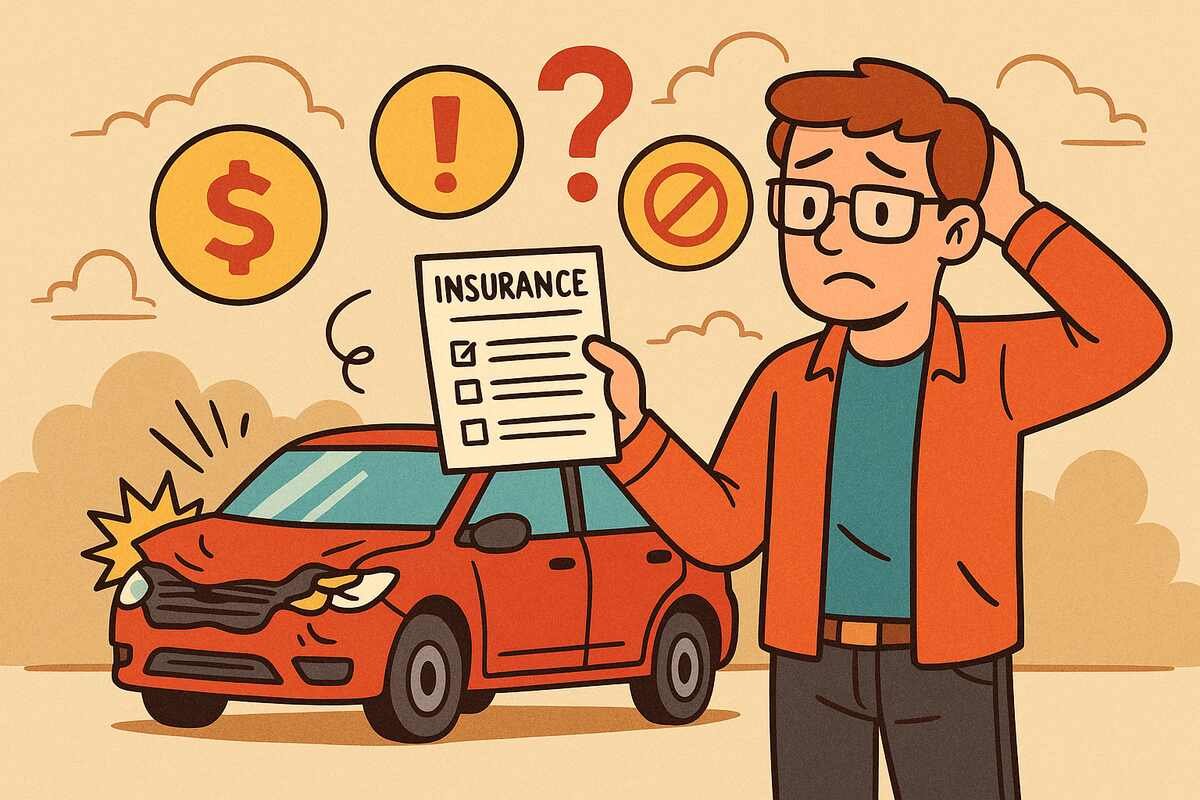

Why Car Insurance Mistakes Cost More Than You Think
Auto insurance is one of those essential expenses most drivers don’t think about until something goes wrong. In 2025, car insurance costs are at an all-time high, with average premiums climbing nearly 14% year-over-year, according to Forbes Advisor. But here’s the thing: a huge portion of these costs comes from avoidable mistakes errors drivers make when buying, renewing, or managing their policies.
Smart drivers know that the right insurance strategy can save hundreds (or even thousands) annually. This guide dives deep into the most common and costly auto insurance mistakes and how to avoid them in 2025.
1. Ignoring Coverage Details and Going for the Cheapest Option
Best for: Drivers tempted by budget-only policies.
It’s easy to focus on price, especially when every dollar counts. But cutting corners on coverage is one of the biggest financial mistakes a driver can make. Choosing the cheapest plan without understanding its limitations can lead to massive out-of-pocket costs after an accident.
Common Pitfall: Buying state-minimum liability coverage without collision or comprehensive protection.
Example: Jason chose the cheapest plan he could find online. When hail damaged his car, he discovered that his policy didn’t include comprehensive coverage. The repair bill? $3,800 paid entirely out of pocket.
What You Should Do:
- Review your policy’s liability, collision, and comprehensive limits.
- Consider gap insurance if you drive a leased or financed car.
- Ask your insurer for a coverage simulation a free quote comparison showing how different plans affect long-term costs.
Research Insight: A Cleveland Clinic financial report highlights that underinsured drivers pay nearly 60% more in post-accident expenses.
Takeaway: The cheapest option today can be the costliest mistake tomorrow.
2. Forgetting to Update Your Driving Habits or Life Changes
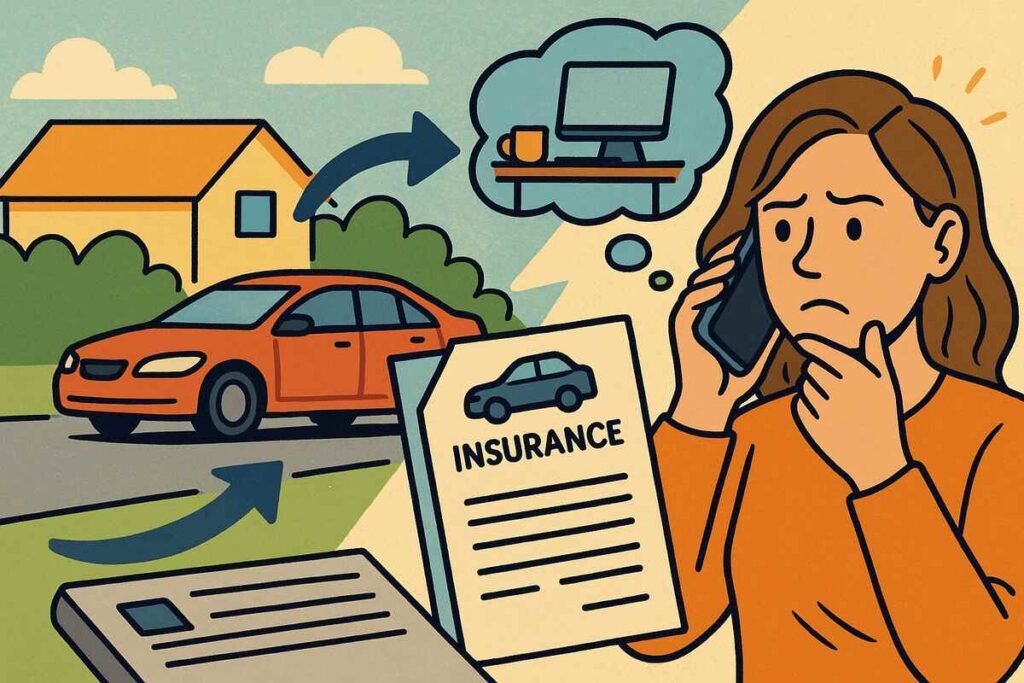
Best for: Remote workers, commuters, and life-transitioning drivers.
Your car insurance rate isn’t static it’s based on your driving patterns, location, and personal circumstances. Failing to update these can cause overpayments or even coverage denial.
Scenarios That Require an Update:
- Moving to a new city or state.
- Changing daily mileage (e.g., starting remote work).
- Adding or removing drivers from your policy.
Example: Karen switched to remote work but never updated her insurer. Her premium stayed based on a 50-mile daily commute. When she finally reported her reduced mileage, her rate dropped by 22%.
Pro Tip: Most insurers, including State Farm, allow easy updates through mobile apps don’t wait for your renewal period.
Takeaway: Your lifestyle evolves your insurance should too.
3. Overlooking Discounts and Failing to Bundle Policies
Best for: Homeowners, renters, and families.
One of the easiest ways to lower premiums is often the most overlooked: discounts. Insurers offer dozens of them, from safe-driver programs to loyalty rewards. Failing to ask about or apply these can mean losing hundreds in annual savings.
Popular Discounts to Look For:
- Multi-policy (auto + home or renters).
- Safe driver or telematics program (like Drive Safe & Save).
- Military, student, or low-mileage discounts.
- Paperless billing or autopay rewards.
Example:
Robert bundled his car and renters insurance through Progressive, saving $450 per year without changing his coverage.
Research Insight: The Insurance Information Institute reports that drivers who bundle policies save an average of 25% on premiums.
Pro Tip: Ask your provider to perform an annual “discount audit” to ensure you’re maximizing savings.
Takeaway: You don’t have to switch insurers to save you just have to ask.
4. Neglecting Your Credit Score and Payment History
Best for: Drivers with recent financial changes.
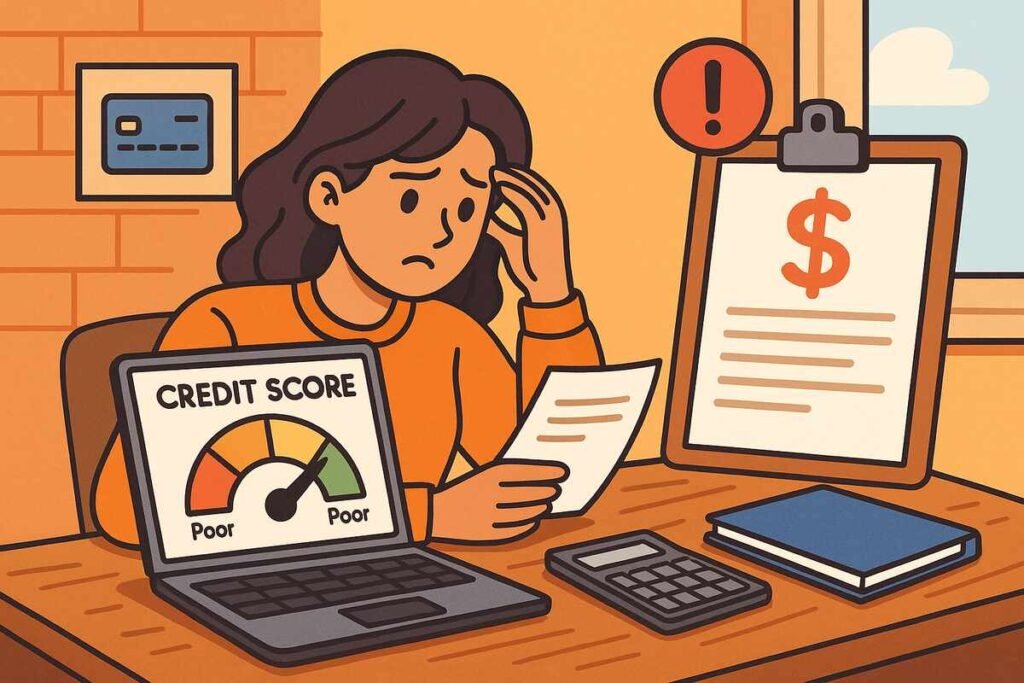
Your credit score isn’t just for loans it directly affects your insurance rates. Insurers use credit-based insurance scores to estimate how likely you are to file claims. Ignoring or damaging your credit can lead to higher premiums, even if you’re a safe driver.
How Credit Impacts Rates:
- Drivers with excellent credit pay up to 50% less than those with poor credit.
- Missed payments or excessive debt can raise premiums significantly.
Example:
Lina improved her credit score from 620 to 750 and saw her auto insurance premium drop by $300 annually after renewal.
Research Insight: A Consumer Reports analysis found that poor credit adds an average of $1,200 per year to car insurance costs.
Pro Tip: Pay bills on time and review your credit reports quarterly for errors.
Takeaway: Protect your credit your insurance company is watching it too.
5. Skipping Comparison Shopping and Policy Reviews
Best for: Drivers renewing existing policies or switching providers.
Loyalty doesn’t always pay when it comes to auto insurance. Many insurers quietly raise renewal rates over time a practice known as price optimization assuming customers won’t shop around.
Example:
Tony stayed with the same insurer for eight years. When he finally compared quotes using The Zebra, he found a similar policy for $680 less per year with another provider.
Pro Tip: Use comparison sites like NerdWallet, Policygenius, or Insurify at least once a year. Even if you stay with your insurer, they’ll often match competitor rates to retain you.
Research Insight: The National Association of Insurance Commissioners (NAIC) recommends comparing at least three insurers annually to ensure fair pricing.
Takeaway: Loyalty can cost you comparison can save you.
Real-Life Story: How One Family Saved Over $1,000 a Year
The Johnson family noticed their auto premiums kept rising despite no claims. After reviewing their policy, they discovered outdated information an old address, higher mileage, and missing multi-policy discounts. By updating details and switching to a usage-based plan, they reduced their annual premium from $2,600 to $1,580.
Lesson: Regular policy reviews and transparency with your insurer can lead to immediate savings.
Comparison Table: Smart vs. Costly Insurance Habits
| Category | Costly Mistake | Smart Strategy |
|---|---|---|
| Coverage | Choosing cheapest option | Balancing affordability with adequate protection |
| Updates | Ignoring life or driving changes | Reporting updates regularly |
| Discounts | Not asking for available offers | Bundling and participating in telematics programs |
| Credit | Ignoring credit score | Maintaining strong credit health |
| Shopping | Renewing blindly | Comparing rates annually |
Frequently Asked Questions About Auto Insurance Mistakes
1. How often should I review my auto policy?
At least once per year or after any major life or driving change.
2. Will switching insurers affect my coverage history?
No, as long as there’s no lapse between policies.
3. Are online insurers as reliable as traditional ones?
Yes. Digital-first insurers like Lemonade and Root are regulated by the same state laws and often provide faster service.
4. How do I know if I’m underinsured?
Ask for a liability and coverage review. Many insurers offer free assessments.
5. What’s the best way to lower my premium immediately?
Bundle policies, join a safe-driver program, and update your mileage or driving status.
Final Thoughts
Avoiding expensive auto insurance mistakes isn’t just about saving money it’s about protecting your financial stability. The smartest drivers in 2025 aren’t those who buy the cheapest policies, but those who make informed, proactive decisions about coverage, lifestyle updates, and credit management.
A little attention now can prevent huge costs later. Revisit your policy today, explore your discount options, and drive with confidence knowing your coverage truly fits your life.
If this guide helped you rethink your car insurance strategy, share it with fellow drivers and explore more cost-saving insights on our blog.