

How Technology Is Changing the Insurance Landscape

In 2025, car insurance isn’t just about how well you drive it’s also about what drives with you. Advanced Driver Assistance Systems (ADAS) including adaptive cruise control, automatic emergency braking, and lane-keeping assist are transforming how insurers assess risk and determine coverage. These systems promise fewer accidents and safer roads, but they also come with new costs and complexities that directly affect your premium.
According to a National Highway Traffic Safety Administration (NHTSA) study, vehicles equipped with ADAS experience 27% fewer crashes than those without. However, the same report notes that repair costs for vehicles with these systems can be 50% higher due to sensor and camera replacements. This dual effect safer driving but costlier repairs is reshaping insurance coverage in profound ways.
This guide explores how ADAS influences your car insurance policy, premium rates, and claim experiences and how to make the most of these innovations.
1. Understanding ADAS and Its Core Features
Best for: Drivers wanting to understand what’s behind the tech buzz.
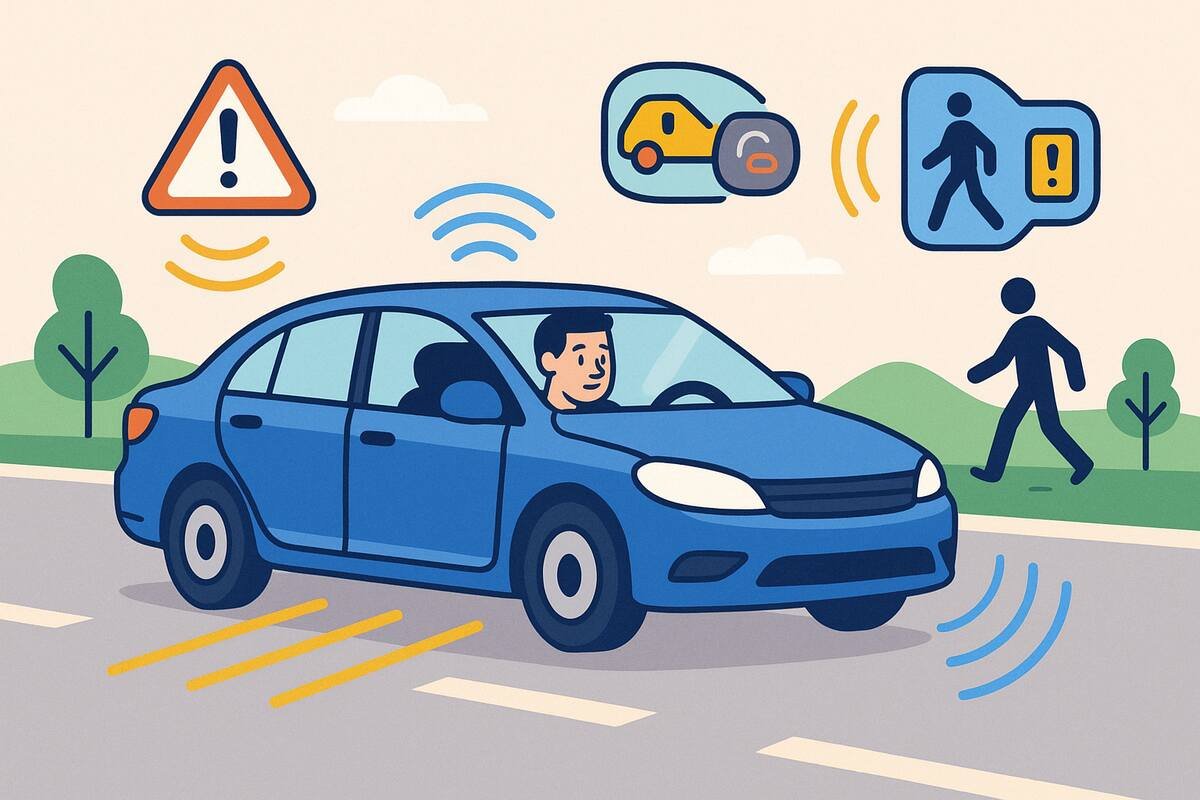
ADAS encompasses a suite of electronic systems designed to enhance vehicle safety and reduce human error. These include both active systems (which take corrective action) and passive systems (which alert the driver).
Common ADAS Technologies in 2025:
- Automatic Emergency Braking (AEB): Detects imminent collisions and applies brakes automatically.
- Adaptive Cruise Control (ACC): Adjusts speed based on surrounding traffic.
- Lane-Keeping Assist (LKA): Gently steers to maintain lane position.
- Blind-Spot Monitoring: Alerts you to vehicles approaching unseen zones.
- Parking Assistance: Uses cameras and sensors to guide parking maneuvers.
Example:
Nissan’s latest ProPILOT 2.0 system combines ACC and LKA to create near-autonomous highway driving, reducing driver fatigue and improving overall safety.
Research Insight: The Insurance Institute for Highway Safety (IIHS) confirms that lane-keeping and blind-spot systems alone can prevent up to 85,000 crashes annually in the U.S.
Takeaway: ADAS represents the next frontier in road safety but with every technological leap comes new insurance implications.
2. How ADAS Impacts Your Premiums—The Good and the Complicated

Best for: Drivers curious about how safety technology translates into cost savings.
In theory, safer cars should mean cheaper insurance. And to some extent, that’s true many insurers offer ADAS-based discounts for vehicles with collision-avoidance or safety packages. However, the picture isn’t entirely straightforward.
Premium Benefits:
- Lower accident frequency = reduced liability risk.
- Safer driving behavior due to alerts and automation.
- Potential for telematics integration for real-time risk assessment.
Hidden Costs:
- Expensive sensor and camera repairs after minor collisions.
- Specialized labor for recalibration post-accident.
- Higher replacement costs for vehicles with integrated systems.
Example:
A Toyota RAV4 owner reported a minor fender bender costing $2,100 nearly double the standard repair rate because the front radar sensor required replacement and recalibration.
Research Insight: The Allianz Global Automotive Report found that ADAS-equipped vehicles reduce claim frequency by 25%, but increase average claim severity by 15–20%.
Pro Tip: Check your insurer’s list of ADAS discounts some recognize only specific systems, while others offer broad safety incentives.
Takeaway: ADAS can help lower your premiums but only if you understand how it affects both sides of the cost equation.
3. Claims and Repairs: The ADAS Effect on Insurance Settlements
Best for: Drivers filing claims for vehicles with advanced tech.
When it comes to insurance claims, ADAS has introduced both efficiency and complexity. Insurers increasingly rely on AI-driven damage assessment and digital calibration data to process claims faster.
What’s Changing in 2025:
- Photo-based assessments determine if sensors are affected before physical inspection.
- Predictive analytics estimate repair timelines and costs using OEM data.
- Certified ADAS repair networks ensure sensor recalibration meets manufacturer standards.
Example:
After a collision, Jake’s insurer used AI-powered claim analysis to identify hidden ADAS sensor damage, preventing future malfunction and ensuring proper compensation.
Research Insight: The Harvard Business Review reports that AI-based claim processing reduces turnaround time by up to 60% and decreases fraudulent claims.
Pro Tip: Always confirm your repair shop is ADAS-certified uncalibrated sensors can lead to claim disputes or denied warranties.
Takeaway: The future of claims is faster but accuracy and certification now matter more than ever.
4. Data, Privacy, and Risk Assessment

Best for: Tech-savvy drivers concerned about how insurers use vehicle data.
ADAS systems generate vast amounts of data on speed, steering, braking, and even near-miss events. While this data helps improve safety, it also raises privacy concerns.
How Insurers Use ADAS Data:
- Assess real-time driving behavior for usage-based pricing.
- Detect patterns that predict high-risk driving.
- Enhance fraud prevention through event verification.
Example:
A major insurer used telematics from ADAS systems to prove a driver’s innocence in a disputed rear-end collision, saving the driver thousands in potential legal fees.
Research Insight: The World Economic Forum highlights that over 70% of insurers now rely on telematics and ADAS data for pricing models but only 40% of consumers understand how it’s used.
Pro Tip: Review your policy’s data-sharing terms before signing transparency varies between providers.
Takeaway: Data drives modern insurance but you should know who’s behind the wheel of your information.
5. The Future of Coverage: From Risk Assessment to Prevention
Best for: Drivers looking ahead to how ADAS will evolve.
By 2025 and beyond, insurance is moving from risk compensation to risk prevention. Insurers are partnering with automakers and AI developers to create systems that predict and prevent accidents before they happen.
Emerging Trends:
- Dynamic premiums that adjust based on real-time ADAS engagement.
- Partnerships between insurers and manufacturers for integrated coverage plans.
- AI co-pilot systems that alert drivers about potential policy violations (like speeding in insured zones).
Example:
Volvo’s partnership with Zurich Insurance enables automatic claim filing after collisions detected by onboard ADAS sensors, streamlining the entire process.
Research Insight: The McKinsey Future of Mobility Report predicts that autonomous and semi-autonomous tech could reduce insurance costs by up to 40% by 2035.
Pro Tip: Stay informed on over-the-air ADAS updates they can improve safety performance and qualify you for new discounts.
Takeaway: ADAS isn’t just protecting drivers it’s redefining what insurance means.
Real-Life Story: Safer Roads, Smarter Coverage
Sarah, a driver in Los Angeles, upgraded to a new Subaru Outback with adaptive cruise and collision avoidance. Her insurer recognized these features and applied a 10% ADAS safety discount. Six months later, when she experienced a minor collision, the automated claims system identified sensor damage immediately, leading to a fast payout and accurate repair proving that smarter cars make for smarter coverage.
Lesson: Investing in vehicle safety tech isn’t just good for protection it pays off in your premiums, too.
Comparison Table: ADAS Features and Their Insurance Impacts
| ADAS Feature | Primary Benefit | Insurance Effect | Potential Drawback |
|---|---|---|---|
| Automatic Emergency Braking | Reduces collision risk | May lower premiums | Costly sensor replacement |
| Adaptive Cruise Control | Reduces fatigue, improves flow | Discount for safety packages | Requires calibration after minor accidents |
| Lane-Keeping Assist | Prevents lane drift | Enhances driver safety record | False positives in bad weather |
| Blind-Spot Monitoring | Prevents side collisions | Can reduce claim frequency | Adds diagnostic costs |
| Parking Assistance | Lowers fender-bender risk | May reduce small-claim rates | Camera repair costs |
Frequently Asked Questions About ADAS and Coverage
1. Do all insurers offer ADAS discounts?
Not yet. Some insurers offer general safety discounts, while others have specific programs for ADAS-equipped vehicles.
2. Will ADAS increase my repair costs?
Yes, in some cases. Replacing or recalibrating sensors can be expensive but these systems also reduce the likelihood of serious crashes.
3. Is my data from ADAS shared with my insurer automatically?
Only if you opt in to telematics or connected vehicle programs. Always review your consent agreements.
4. Can ADAS systems fail or affect claims?
Yes. Malfunctions or uncalibrated systems can complicate claim assessments, so regular maintenance is vital.
5. Are ADAS vehicles cheaper to insure overall?
Generally yes especially when paired with safe driving and telematics programs—but costs vary by insurer and repair complexity.
Final Thoughts
In 2025, Advanced Driver Assistance Systems represent a transformative force in auto insurance. They make roads safer, claims smarter, and coverage more personalized. But they also introduce new considerations data sharing, repair costs, and evolving policy models.
To benefit fully, drivers must stay informed, maintain their systems properly, and choose insurers that embrace innovation rather than penalize it.
If this article helped you understand the link between ADAS and car insurance, share it with fellow drivers and explore more coverage insights on our blog.